
Functional medicine treatment for chronic hives
We take a personalised, root-cause approach to hives. Care focuses on identifying what may be contributing to histamine release and immune reactivity, including gut health, food and environmental triggers, using targeted investigation and individualised treatment to support more stable skin and fewer flare-ups.

Is our hives treatment right for you?
If hives keep coming back without a clear trigger, or if antihistamines have stopped providing the relief they once did, a more comprehensive and targeted look at what’s causing your flares can help. Our approach may suit you if:

You feel frustrated by hives that keep returning without an obvious cause

You want to understand why antihistamines are no longer providing relief

You're looking for a more thorough, personalised approach beyond symptom management

You want to investigate what may be contributing to ongoing immune reactivity and flare-ups
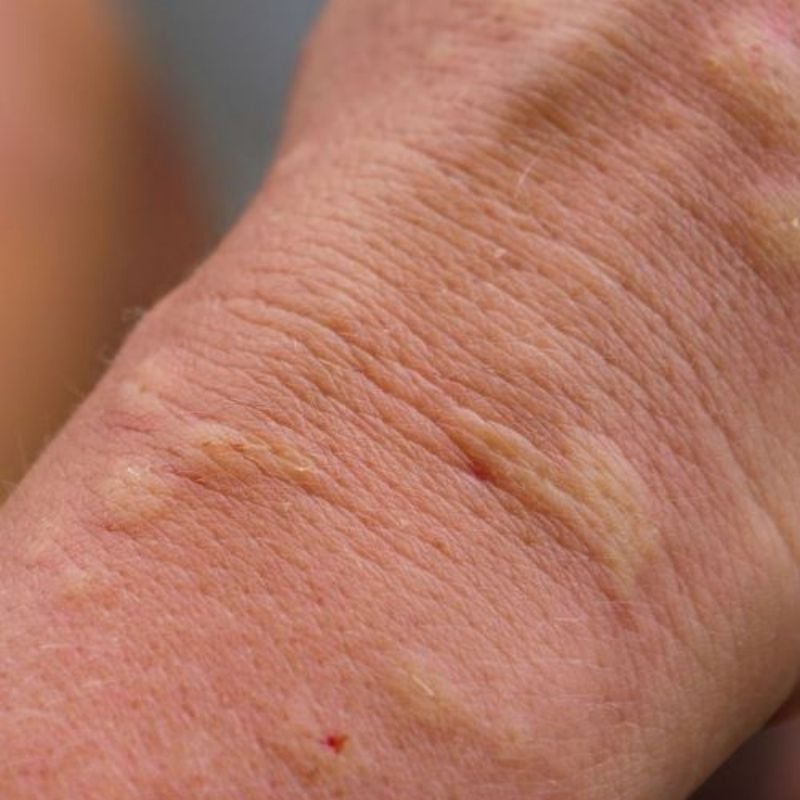
Why do hives keep coming back?
Hives often keep coming back because conventional treatment calms the histamine response during flare-ups but isn’t designed to address what is making the immune system reactive. Antihistamines can ease itching and swelling in the short term, but symptoms can return once treatment is reduced or stopped.
In chronic hives (medically known as urticaria), several factors can keep the immune system reactive, including autoimmune activity, infections, gut health, stress and environmental triggers. When these aren’t identified, hives can continue to flare unpredictably.
Our approach to hives
We start by mapping how your hives present, looking at how quickly they appear, how long they last, and what tends to precede a flare. Patterns such as stress load, illness, hormonal changes, or environmental triggers often provide important clues about what is influencing immune reactivity.
From there, we work out which system in your body needs the most focus: your immune system, your gut, or your nervous system. It can also be a combination of them. For some people, treatment may centre on histamine release and how the immune system is driving it. For others, it can be about a focus on gut health and infection history. For others again, it may be about how the nervous system is contributing to drive ongoing inflammation.
Depending on your presentation, functional care may include:
Infection clearance
Addressing underlying infections such as H. pylori or gut parasites can reduce immune activation and how often hives occur. These infections keep the immune system in a heightened state of alert, which lowers the threshold at which mast cells release histamine.
- H. pylori eradication, where confirmed on testing
- Treatment of gut parasites or other infections identified through stool or other targeted testing
Restoring gut integrity
When your gut lining is more permeable and your gut bacteria are less diverse, your immune system stays primed to react. Restoring gut integrity helps calm that reactivity, so it’s often a key part of care. Depending on what your assessment shows, this may include:
- Dietary changes to reduce inflammatory load and support a healthier gut environment
- Probiotic support to help restore microbial diversity
- Targeted nutritional compounds to support the gut lining, selected based on your individual presentation
Dietary strategies
Dietary change is usually therapeutic and short term in nature to target foods likely to be interacting with your immune system in a way that’s making it overreactive:
- A low-histamine approach to reduce the overall load on an already reactive system
- Identifying and removing specific food triggers to reduce flare frequency, typically as a short-term measure while other contributing factors are addressed
Nutrient repletion
Vitamin D deficiency is common in chronic urticaria and may play a role in immune regulation, so addressing deficiency is often an early priority. Other nutrients are considered based on your individual testing results, since correcting the right deficiency can influence how reactive your immune system stays.
Nervous system regulation
Targeted nervous system regulation can lower the threshold that makes mast cells easier to trigger, particularly where stress is a clear contributor. Approaches may include:
- Vagal nerve stimulation
- Breathwork
- Mindfulness and other body relaxation practices
- Consistent sleep support
Herbal and botanical support
Certain botanicals and natural compounds may help calm histamine release, mast cell activity, and inflammation. These are selected based on what’s identified as contributing to your presentation, rather than used as a one-size-fits-all approach.
Autoimmune investigation
Chronic hives are frequently linked to underlying autoimmune activity. Where thyroid antibodies, coeliac disease, or other autoimmune conditions are identified, these require their own management and often need to be addressed in parallel for your hives to improve.
How we investigate hives that keep coming back
Investigation begins with a detailed understanding of how your hives present and what may be influencing flare patterns. Your practitioner will recommend testing based on your history and presentation, which may include:
- Gut microbiome assessment
- Comprehensive stool analysis, including testing for parasites
- Full thyroid panel, including thyroid antibodies
- Vitamin D and other nutrient levels
- H. pylori and other infection testing where your history suggests it

Case study
See how our approach helps our patients achieve better health and richer lives.
Katie came to the clinic with growing concerns about her health. She’d been struggling with frequent occurrences of hives, with itching that required daily antihistamines, and migraines that often coincided with her menstrual cycle. These challenges were further compounded by heavy periods, pelvic pain, anaemia, and an elevated cardiometabolic risk.
Read Katie’s story by hitting the button below
Katie’s story
Katie came to the clinic with growing concerns about her health. She’d been struggling with frequent occurrences of hives, with itching that required daily antihistamines, and migraines that often coincided with her menstrual cycle. These challenges were further compounded by heavy periods, pelvic pain, anaemia, and an elevated cardiometabolic risk.
Despite making some initial dietary changes on her own, such as cutting out alcohol, Katie was seeking a deeper understanding of what was causing her symptoms, and a structured approach to resolving them.
An in-depth analysis of the problem
To fully assess Katie’s health, Comprehensive Health Array, Precision 88 (P88) food reactions test, MyDNA Comprehensive, Dutch Plus, and Microbiomix tests were used to examine her nutrient levels, genetic predispositions, and gut health. Outcomes were:
- Katie had difficulties with liver detoxification and was lactose intolerant, information that was previously unknown to her.
- The P88 test uncovered measurable food reactions, which were likely contributing to her hives and autoimmune issues related to thyroid health.
- Thyroid autoantibodies were also identified as a measure of inflammation, suggesting that monitoring her thyroid health was critical.
- Her high LDL cholesterol was flagged as a concern for cardiovascular health, and nutrient imbalances such as low selenium and high zinc/copper ratios further indicated the need for targeted thyroid support because of the importance of these nutrients for thyroid function.
With this comprehensive analysis, it became clear that several underlying factors were contributing to Katie’s symptoms, including food intolerances, nutrient imbalances, and inflammation in her thyroid. Addressing these through personalised interventions would be crucial in improving her overall health and quality of life.
Implementing the solution
Katie’s personalised health plan included both dietary changes and supplementation to address the underlying issues revealed by her tests. While waiting for all the test results, her practitioner suggested that she start with a low-histamine diet to see if that improved the hives she was experiencing. This dietary approach was designed to reduce the histamine load on her body and observe how her symptoms responded.
Katie was also prescribed skin creams, sprays and supplements. The topical preparations were used to relieve acute skin symptoms, and the action of the supplements was to:
- Modulate the immune system and reduce the action of histamine
- Support liver function
- Reduce cholesterol
- Optimise stomach acid and upper digestive function
- Enhance antioxidant status (to reduce inflammation generated free radical damage to skin and thyroid tissues)
Once the P88 test results were received, Katie was recommended to commence a P88 elimination diet. This involved avoiding the foods which elicited a strong IgE or IgG reaction, for 6 – 12 weeks. Finding specific foods, like kidney beans and cucumber as highly reactive foods, would have been impossible without testing.
With big dietary changes like this, the health coach played an important role. Although Katie was open to making changes, she found the idea of completely overhauling her diet overwhelming. Her health coach worked closely with Katie to overcome these barriers by focusing on behavioural changes and mindset shifts.
Katie faced several challenges during her healing journey, but with the guidance of her health coach, she was able to overcome them and make meaningful progress. One of her biggest struggles was the anxiety around restricting her diet. Food had been a source of comfort for her, and the idea of giving up familiar favourites felt overwhelming. Initially, she found it hard to fully commit to a low-histamine diet, but her health coach helped her reframe her perspective. Through motivational interviewing, they explored her resistance and developed a more flexible approach, allowing her to follow the diet 80% of the time while leaving room for occasional indulgences. This shift eased her anxiety and made the process more sustainable, ultimately leading to fewer hives and a reduced reliance on antihistamines.
Katie also found motivation through small wins. As she began noticing improvements in her skin – fewer flare-ups and less itching – the positive changes reinforced her commitment to the dietary changes. Her health coach encouraged her to celebrate these milestones, helping her stay motivated even when the process felt challenging.
Managing the routine of taking multiple supplements was another hurdle. Katie felt overwhelmed by the sheer number and struggled to keep up. Her coach broke down the purpose of each supplement, emphasising their role in her healing journey, and suggested ways to integrate them into her daily habits. Understanding their importance helped Katie stay consistent, and over time, she saw the benefits in her overall well-being.
Emotionally, Katie had unresolved traumas that were affecting her health. She recognised she hadn’t taken the time to process these challenges, which were weighing heavily on her mind and body. Her coach introduced her to journaling as a tool for reflection and emotional release. They also discussed the connection between emotional and physical health, helping her understand how unprocessed feelings could manifest as symptoms. Journaling became a regular practice, giving Katie a safe space to work through her emotions. She felt heard and validated during these sessions, which played a vital role in her healing.
With her coach’s support, Katie was able to navigate these barriers, build resilience, and make lasting changes that supported her recovery.
Achieving an incredible result
By the end of the program, Katie experienced significant improvements in both her physical and emotional health. Her hives and skin flare-ups became less severe, and she no longer needed to take antihistamines daily. Katie also noticed that her migraines, which used to coincide with her menstrual cycle, had disappeared.
Additionally, her pelvic pain was greatly reduced, and she was able to enjoy activities such as pilates and taekwondo again without discomfort.
Katie expressed pride in her progress, saying, “I’m thankful that as early as now, I have been able to find out health issues and do something about it.”. She also shared, “I’m proud of myself – I know my body more. Doing the lab tests has been informative.”
By sticking to the dietary recommendations 80% of the time and making gradual lifestyle adjustments, Katie found that her quality of life improved significantly. She felt more connected to her body, more confident in managing her symptoms, and more empowered to make decisions that supported her well-being.
Katie’s journey is a testament to the power of personalised health interventions, emotional support, and a flexible approach to dietary changes. Through the guidance of her practitioner and health coach, she was able to reclaim control over her health and feel more at ease in her body.
We support people with hives to calmer, more predictable skin
We help people with hives feel more in control of their skin and their day-to-day life. Start your care journey today.
Your skin health care team
GETTING STARTED
Choose how you'd like to begin

3-hour initial apt
3-hour initial appointment
- Comprehensive deep dive into your health picture
- Ideal for complex or long-standing concerns
- Root-cause mapping and strategy session
- Get your personalised health mindmap
Start with a deep dive

1-hour initial apt
1-hour initial appointment
- Review your health history and current concerns
- Receive testing and treatment recommendations
- Leave with an initial plan to get started
A focussed starting point
WHAT PATIENTS SAY
Why Melbourne Functional Medicine is trusted for Hives
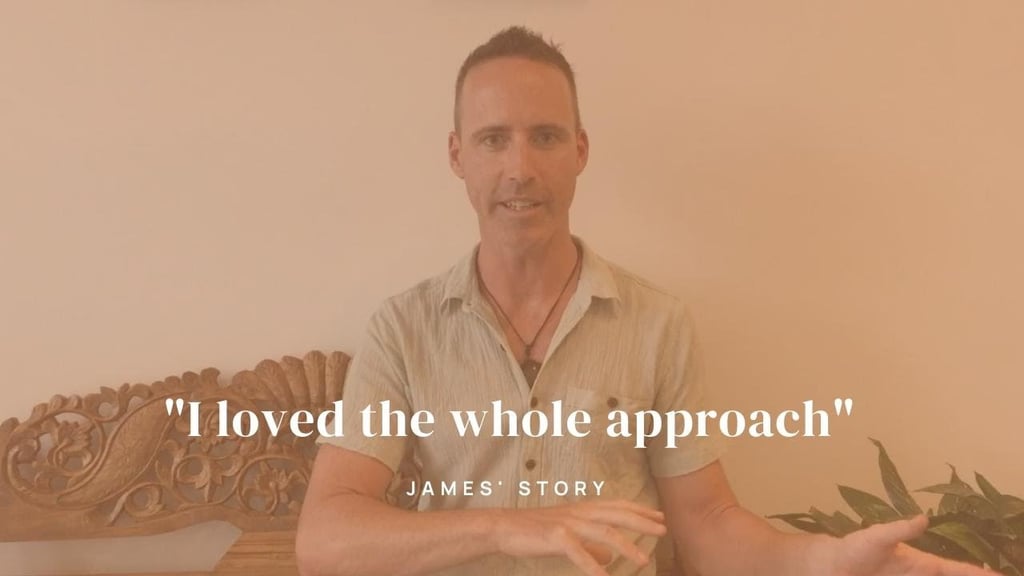
Patient experiences
Our award winning approach is personalised, collaborative and focused on your health.
See what past patients say about their experience below.









Frequently
Asked
Questions
Do I need a diagnosis before starting care?
You don’t need a diagnosis before starting care. Some people come with a confirmed diagnosis of chronic urticaria, while others are still trying to understand what’s happening. We can work with you at either stage, using your history and symptom patterns to guide next steps. If further medical input is needed, we’ll refer you to your GP or a specialist alongside your care.
Can this approach work alongside antihistamines or other treatments?
Yes, this approach can work alongside antihistamines and other treatments. Many people continue their antihistamines while we investigate what’s contributing to their hives, with herbal, nutritional and lifestyle support added in. Where symptoms improve, any reduction in antihistamines is planned together with your prescribing doctor.
What if my hives keep returning even though I've tried lots of conventional treatments?
Hives that keep returning despite conventional treatment are common, particularly when care has focused on short-term symptom control. Recurring hives often involve contributors that haven’t been fully identified, such as autoimmune activity, infections, gut health or stress. Our focus is on understanding why flare-ups are happening and what may be keeping that cycle going.
Where can I learn more about hives?
Our detailed guide to hives explains why chronic hives are more often autoimmune than allergic, and why they can return when antihistamines stop. It also covers the different types of urticaria, links with thyroid disease and gut infections, and when swelling needs urgent care.
Ready for a more personalised path forward?
We work with you to get to the bottom of what’s contributing to your hives, so your skin can stay calmer for longer.
