
Each year, when winter rolls around in Melbourne, I tend to hear the same question: “Nina, what’s the best supplement to stop me getting sick?”
It’s an understandable question, especially when everyone around you seems to have a cough or cold.
I don’t usually start by talking about supplements. I start by asking about the foundations of sleep, stress management and nutrition. How they’re recovering from exercise. Whether they’ve been feeling run down lately. Because our immune system is influenced by our daily habits, which over time, can lead to a well-functioning immune system, or one that struggles to keep up.
Once core foundational habits are in place, medicinal mushrooms can be an incredibly helpful addition for defending against winter viruses. They’re one of my favourite tools because they can not only stimulate the immune system, but they can help it do its job more effectively. Before we go further, let’s cover two important topics: what a truly healthy immune response looks like, and why stress plays such a big role in it.
A healthy immune system knows when to stand down
A healthy immune system recognises a genuine threat, responds quickly, and then calms back down once the job is done.
Most people assume a stronger immune system is always better, but responding appropriately matters more than responding hard.
If it responds too slowly, you may find yourself catching every bug that goes around.
If it responds too aggressively, unnecessary inflammation can develop.
Medicinal mushrooms contain natural compounds called beta-glucans that interact with immune cells and help coordinate these responses. This is why they’re often described as immune modulators, rather than immune boosters.
Stress and immunity are closely connected
Chronic stress draws on the same physical resources your immune system needs, so when stress runs high for long enough, immune function can suffer too.
A common winter presentation I see in the clinic is people doing everything they can to stay healthy, yet they’re constantly exhausted.
They are doing so many things well for their health, but rarely get the chance to properly recharge thanks to sleeping five or six hours a night and juggling work and family responsibilities. Or worse, have come back from their mid-year holiday only to have gotten sick whilst there.
When low recovery and stress are part of the health picture, adaptogenic mushrooms can be useful.
Adaptogens are compounds (mostly herbs and fungi) that help your body cope with physical and psychosocial stress. Rather than masking fatigue or giving you a temporary burst of energy, they help your nervous system become more resilient. They help with the ongoing calibration of the systems of the body, keeping us in balance, and are responsible for how we feel.
When people sleep better, recover better and feel less overwhelmed, it’s common to see improvements in many areas of health, including immune function.
The top 5 medicinal mushrooms I recommend
Reishi
If someone tells me they feel wired but tired, struggle to switch off at night or never quite feel recovered, Reishi is often one of the mushrooms we discuss.
It’s been used traditionally for centuries as it contains a range of bioactive compounds, including triterpenes and polysaccharides, which have been studied for their effects on the immune system, stress response and inflammation. Emerging research suggests Reishi may help support the body’s ability to adapt to physical and emotional stress by influencing pathways involved in the nervous and immune systems. While it isn’t a stimulant that provides an immediate energy boost, many people report feeling more resilient, sleeping more deeply and experiencing steadier energy over time as recovery improves.
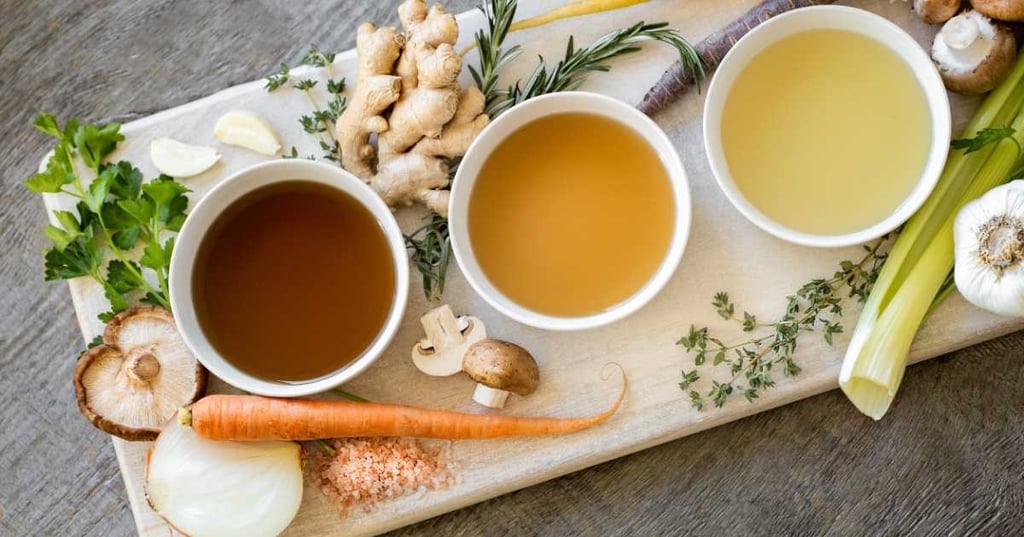
How to use it: Reishi comes in powdered form. A spoonful of reishi powder can be added to broth, coffee, or hot water to make a warm healing cup of tea, or we’ve even heard our patients adding a spoonful to their chocolate desserts – like mousse or brownies.
Turkey Tail
One of the things I love about functional medicine is how connected everything is, and the gut and immune system are a great example. A large proportion of our immune cells are within the digestive tract, so looking after the gut has benefits that extend far beyond digestion.
Turkey Tail contains the unique polysaccharide, polysaccharide-K (PSK for short), that nourishes beneficial gut bacteria while also interacting with immune cells. Research on PSK, largely conducted in clinical and cancer-supportive care settings, has found it can influence the activity of key immune cells, including natural killer cells and macrophages, which play important roles in immune surveillance and defence. By supporting both the gut microbiome and immune system, Turkey Tail highlights the close relationship between digestive health, immune resilience and overall wellbeing.
How to use it: Try powdered turkey tail in a chocolate protein smoothie: Blend ½ a banana, a scoop of natural peanut butter, 1 cup milk of choice, 2 pitted Medjool dates, a scoop of cacao powder and a scoop of protein powder for an antioxidant-rich treat.
Shiitake
Shiitake reminds us that food can be medicine.
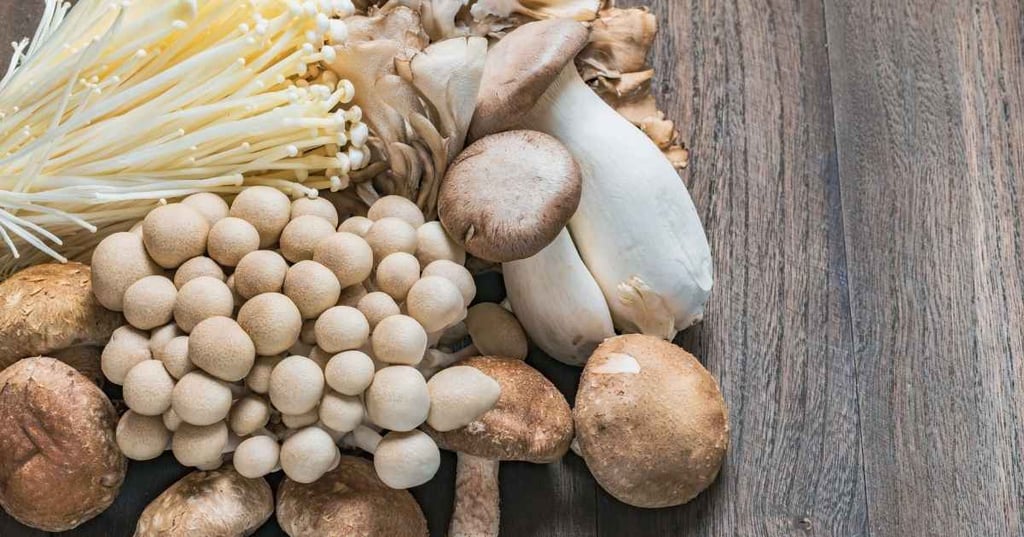
Shiitake contains a unique beta-glucan called lentinan, which has been extensively studied for its immune-supportive properties. Beta-glucans act as natural compounds that help “train” and regulate the immune system, supporting its ability to respond appropriately to everyday challenges. Research suggests regular consumption of Shiitake may influence both innate and adaptive immune responses while also helping to maintain a healthy balance of inflammation. One study showed that eating 5-10g of dried Shiitake daily for four weeks lifted secretory IgA and NK-T cell activity in healthy adults. It’s a great example of how compounds naturally present in foods can have meaningful effects on health beyond their nutritional value alone.
How to use it: Add Shiitake mushrooms to soups, broths or stir-fries. You’ll find dried or fresh Shiitake mushrooms at most Australian supermarkets and most certainly at your local asian grocery store.
Lion’s Mane
Lion’s Mane is well known for supporting memory and concentration, but I think it deserves just as much attention for its effects on gut and nervous system health.
We’re learning more every year about how closely the brain, gut and immune system communicate with each other.
Lion’s Mane contains unique compounds which have been shown to stimulate the production and repair of nerve cells. Emerging research suggests Lion’s Mane may support cognitive function, memory and mental clarity while also helping to maintain the health of the gut-brain axis. Because the nervous system and digestive system are closely connected, supporting one can often have positive effects on the other, making Lion’s Mane a fascinating example of the interconnected nature of human health.
How to use it: We stock Teelixr Lions Mane powder for easy addition into things like protein balls, coffee, chair or winter stews (add just before serving). Note: Lion’s Mane powder does not dissolve easily in cold liquid but disperses well in warm drinks and blends smoothly in a blender.
Cordyceps
Cordyceps is a must-have for any athlete or weekend warrior. It has been studied for its potential role in supporting oxygen utilisation, exercise capacity and recovery from strenuous workouts. Rather than acting as a stimulant, Cordyceps appears to work by supporting the body’s natural energy-producing systems, which may help promote more sustainable energy, resilience and vitality over time. Research suggests Cordyceps influence mitochondrial function to improve the cellular energy production of ATP, the molecule that powers virtually every cell in the body.
And this is why it is often associated with energy and physical performance.
But that is not all, Cordyceps also contain bioactive compounds, including polysaccharides and cordycepin, that have been shown to interact with the immune system. In one study, healthy adults who took a Cordyceps mycelium extract daily for 8 weeks showed a significant increase in natural killer (NK) cell activity compared with placebo. Early-stage research also points to effects on macrophages and T cells, suggesting Cordyceps may help promote a balanced immune response rather than simply stimulating immunity.
This dual role in both energy production and immune regulation makes Cordyceps particularly valuable during periods of stress, fatigue and increased physical demand.
How to use it: Cordyceps usually comes in powder form, so it can be used in a similar way to the powdered mushrooms above. Try adding 1 tablespoon of Cordyceps powder to homemade protein balls.
There’s no magic single mushroom
People are sometimes disappointed when I tell them there isn’t one mushroom that’s right for everyone.
Functional medicine is personalised, so it’s about working together to understand what’s happening in your body.
Always speak to your healthcare provider before taking medicinal mushrooms to ensure they are safe for you. If you’re a patient at Melbourne Functional Medicine and would like tailored support for your immune health this season, reach out to us; we’re here to help you stay well, all winter long.
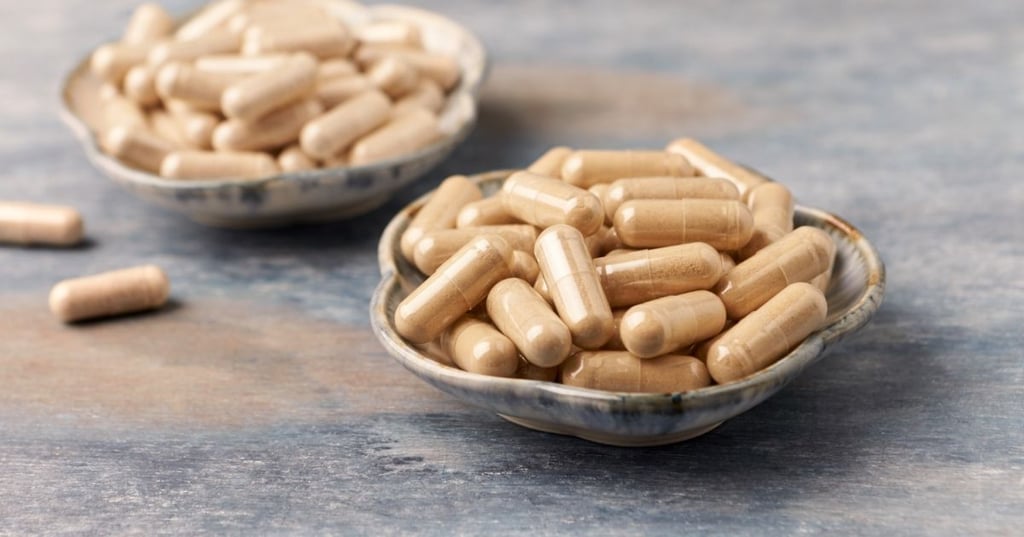
One approach to medicinal mushrooms I like is using a small amount of a variety of mushrooms that all tend to do similar sorts of things in different ways. Blending small amounts of adaptogens to work synergistically. One of the products I recommend for patients includes all of my top five favourite adaptogenic mushrooms, with Poria and Tremella too. All in extracted doses small enough to encapsulate, which makes compliance easier, I find, though, as always, where possible, food is best!
Part of the toolkit
One of the reasons I continue to recommend medicinal mushrooms is that they fit so well with the philosophy of functional medicine.
They’re not about forcing the body to do something unnatural. They’re about giving your body the resources it needs to respond intelligently.
When combined with good nutrition, restorative sleep, regular movement and healthy ways to manage stress, medicinal mushrooms can be a valuable addition to your health toolkit.