


What is multiple sclerosis?
Multiple sclerosis (MS) is an autoimmune condition in which the immune system attacks myelin, the protective fatty sheath that insulates nerve fibres in the brain and spinal cord. When myelin is damaged, nerve signals slow, misfire, or even fail to reach their destination, producing the wide range of neurological symptoms that characterise the condition.
Types of MS
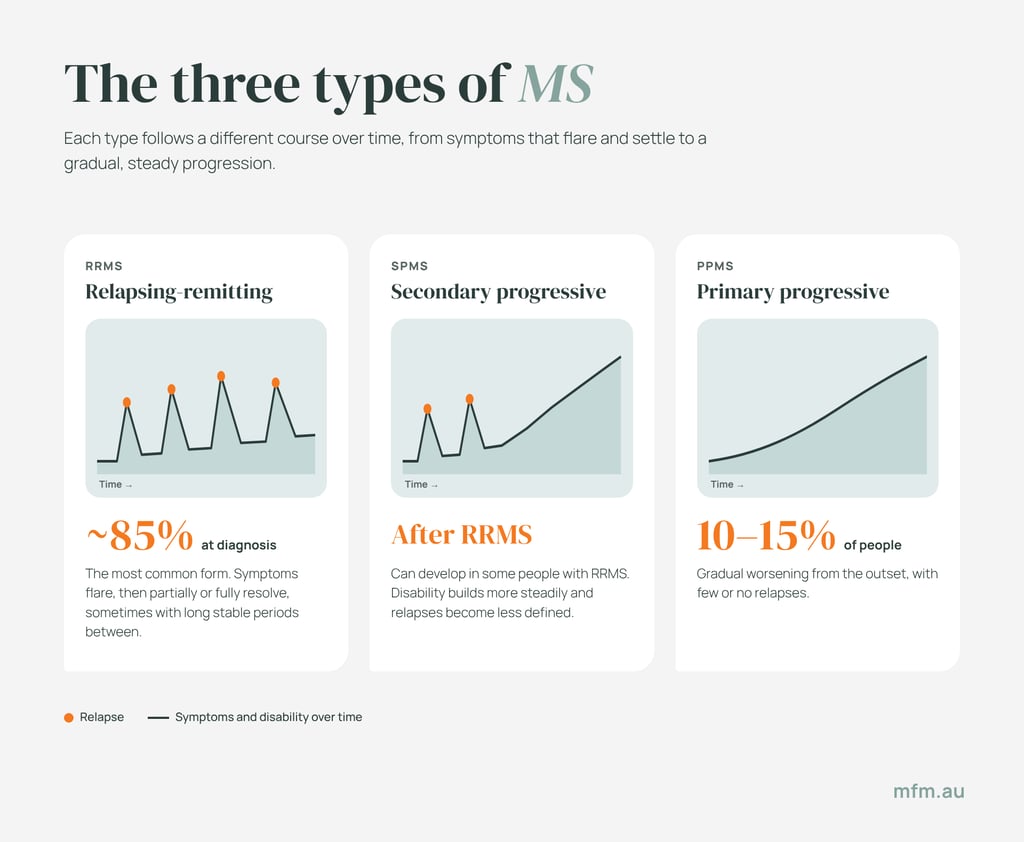
There are three main types of MS:
- Relapsing-remitting MS (RRMS) the mildest form, approx. 85% of people diagnosed will have this form
- Secondary progressive MS (SPMS) can develop later in some people with RRMS, where disability worsens and may or may not have relapses
- Primary progressive MS (PPMS) affects around 10-15% of people and is characterised by gradually worsening symptoms and few or no relapses
Symptoms of multiple sclerosis
The most common symptoms of MS are fatigue, sensory changes such as numbness and tingling, and problems with vision, often appearing in episodes that partially or fully resolve before the next relapse.
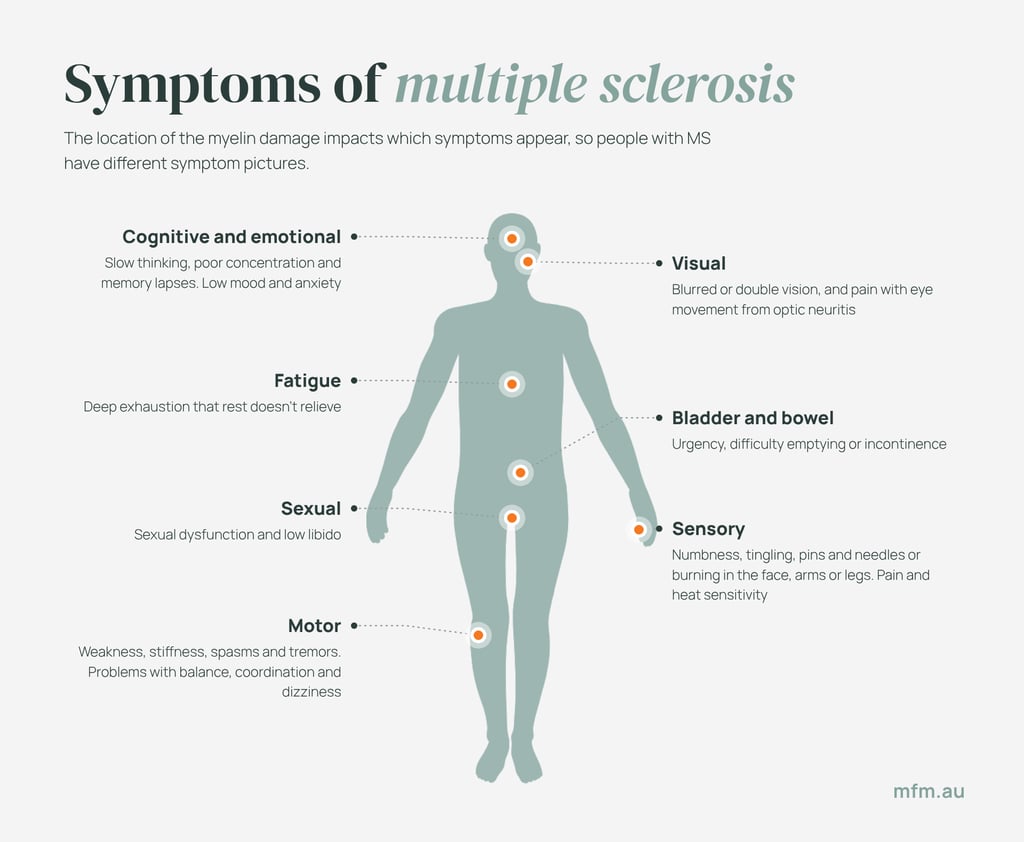
Because myelin protects nerves throughout the brain and spinal cord, damage in different locations produces very different symptoms. Two people with MS may have few symptoms in common, and the same person may experience a different symptom pattern in each relapse. In relapsing forms, symptoms often appear in episodes that partially or fully resolve. In primary progressive MS, they tend to accumulate gradually without discrete relapses.
Fatigue
- Fatigue, often described as a deep exhaustion that is not relieved by rest
Sensory
- Numbness, tingling, pins and needles, or burning sensations, typically in the face, arms, or legs
- Pain, which can be widespread or localised and varies considerably between people
- Heat sensitivity, where existing symptoms worsen in warm temperatures
Visual
- Blurred or double vision, or pain with eye movement caused by inflammation of the optic nerve (optic neuritis)
Motor
- Muscle weakness, heaviness, or stiffness
- Spasms, tremors, and involuntary muscle movements
- Problems with balance and coordination
- Dizziness and vertigo
- Difficulty with speech or swallowing in more advanced presentations
Bladder and bowel
- Urgency, difficulty emptying, or incontinence
Cognitive and emotional
- Difficulty concentrating, slow thinking, or memory lapses
- Depression, anxiety, and mood changes
Sexual
- Sexual dysfunction and poor libido
What causes multiple sclerosis?
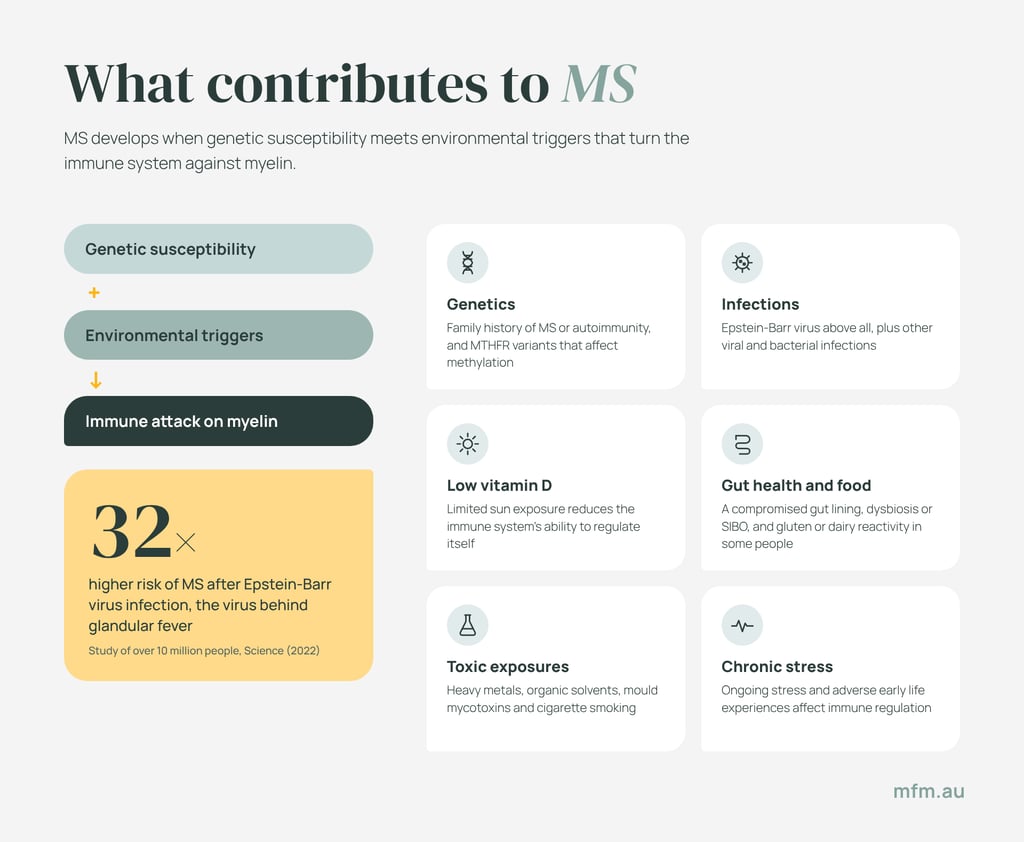
MS develops when genetic susceptibility combines with one or more environmental triggers that activate the immune system against myelin, the protective coating around nerves. It can affect anyone, but is two to three times more common in women and is most often diagnosed between 20 and 40.
Epstein-Barr virus (EBV), the virus responsible for glandular fever, is the most strongly supported environmental trigger identified to date. A 2022 longitudinal study of over ten million people found that EBV infection increased the risk of MS 32-fold. Research published in Nature identified the likely mechanism: certain EBV proteins closely resemble proteins on myelin-supporting cells, causing immune cells that target EBV to cross-react with the myelin sheath. This process is known as molecular mimicry.
Other known or related causes fall into several groups.
Genetic
Inherited factors can make the immune system more likely to misfire. These include:
- Genetic predisposition, including a family history of MS or other autoimmune conditions
- MTHFR gene variants that impair methylation, affecting detoxification and nervous system function
Nutritional and environmental
- Vitamin D deficiency, which reduces the immune system’s ability to regulate itself and is more prevalent in people living at northern latitudes or with limited sun exposure, including those of Scandinavian, North American, or Northern European ancestry
- Exposure to heavy metals such as mercury in dental fillings and fish, organic solvents, and mycotoxins from mould
- Gluten sensitivity and dairy reactivity in some people
- Cigarette smoking
Gut health
Gut dysfunction can contribute to MS onset and progression by increasing the load of immune-activating material in the body. When the gut lining is compromised, bacterial proteins and other particles pass into the bloodstream, where they stimulate immune activity. In someone with a genetic susceptibility to autoimmune responses, this ongoing immune pressure may accelerate or worsen the attack on myelin.
Conditions, including dysbiosis with organisms such as C. perfringens, SIBO, poor gastric secretions, and fungal overgrowth such as Candida albicans, can all compromise gut integrity in this way. A 2024 systematic review of 23 studies and over 1,700 people with MS found that specific bacterial populations showed consistent associations with disease activity, and higher rates of intestinal permeability have been observed in people with MS compared to those without the condition.
Infections
Beyond EBV, several other infections have been linked to MS onset, including:
- Viral infections including measles, herpes, and chickenpox
- Bacterial infections, including Mycoplasma pneumoniae, Chlamydia pneumoniae, and Staphylococcus aureus
Psychological
- Chronic stress and adverse early life experiences, which affect immune regulation
How is MS diagnosed and assessed?
MS is diagnosed by neurologists using a combination of clinical history, neurological examination, and testing. There is no single test that confirms the diagnosis on its own, which makes the process more complex than for many other conditions.
The name itself describes what neurologists look for. Sclerosis means scarring, and an MS diagnosis requires evidence of multiple scarred areas, or lesions, in different parts of the central nervous system that developed at different times. Lesions form where the immune system has attacked myelin, and their location determines which symptoms appear. Because lesions can occur anywhere in the brain, spinal cord, or optic nerve, symptoms vary considerably between people, which adds to the diagnostic challenge.
The standard framework used in Australia is the McDonald criteria, most recently revised in 2024. A diagnosis requires evidence of damage in more than one part of the central nervous system and, in most cases, evidence that this damage has occurred at different times.
This evidence does not have to come from separate attacks. Where only one clinical episode has occurred, MRI findings or oligoclonal bands in cerebrospinal fluid, which indicate immune activity within the nervous system, can support the diagnosis. The criteria also help distinguish MS from other conditions that can produce similar symptoms, including B12 and copper deficiency, lupus, genetic conditions, and other inflammatory or structural conditions affecting the myelin sheath.
Many people see several practitioners, including GPs and optometrists, who may suspect MS but cannot make a formal diagnosis. A 2024 systematic review found that around 15% of people carrying an MS diagnosis had been misdiagnosed, which is why thorough assessment and neurologist review matter before any treatment decisions are made.
Conventional testing typically includes:
- Neurological examination assessing movement, sensation, reflexes, coordination, and vision
- MRI of the brain and spinal cord to identify lesions and monitor progression
- Lumbar puncture to test cerebrospinal fluid for oligoclonal bands or kappa free light chains
- Visual evoked potentials, which measure how quickly signals travel along the visual pathways and can reveal past optic nerve damage even without symptoms
- Optical coherence tomography (OCT), an eye scan that can detect damage to the optic nerve
- Blood tests to rule out conditions with overlapping symptoms
A functional medicine assessment builds on this by investigating the contributing factors outlined above and how they may be interacting in each person. This typically includes:
- Nutrient testing including vitamin D, B12, folate, and zinc
- EBV antibody levels and other viral or bacterial markers
- Gut assessment including microbiome analysis, intestinal permeability, and markers of SIBO or fungal overgrowth
- Coeliac screening and food reactivity testing
- Heavy metal, mycotoxin, and toxic load testing
- MTHFR status and methylation markers
- Inflammatory markers and immune panel
- Cortisol and adrenal function where chronic stress is a feature of the history
Why symptoms can continue on medication
For many people living with MS, it can be deeply frustrating to continue experiencing symptoms when taking immunotherapies or short-term interventions. Fatigue, brain fog, pain and declining mobility can affect almost every aspect of daily life, even when treatment is doing its job of reducing disease activity.
This is partly because disease-modifying therapies, while important in reducing relapses and new inflammatory lesions, cannot necessarily reverse existing neurological damage, prevent all future progression or optimise overall function of other aspects of health.
So, while conventional treatment plays a vital role in managing MS, it may not tell the whole story of what someone is experiencing or why their quality of life continues to be affected.
From a functional medicine perspective, we ask a broader question: what else might be contributing to symptoms, and what factors could be affecting their ability to feel and function at their best? Nutritional deficiencies, disrupted sleep, metabolic health, chronic stress and coexisting health conditions may add to the burden of living with MS and deserve consideration.
Research is also exploring how the gut microbiome, viral infections and environmental exposures may interact with immune function in MS. We focus on the importance of looking at the person as a whole, not just their diagnosis.
Conventional treatment options
Current conventional treatment for MS is typically developed with a neurologist and follows a plan tailored to the type and severity of the condition.
- Disease-modifying therapies, with around 16 available medications, work by suppressing or redirecting immune activity to reduce the severity and frequency of relapses and are most commonly used in relapsing-remitting MS
- Corticosteroids reduce inflammation during an acute attack
- Symptom-specific medications address spasticity, bladder dysfunction, depression, or pain
- Rehabilitation, including physiotherapy and speech pathology, supports function and adaptation
Finding the right medication can take time, and side effects can be significant, requiring close monitoring even under specialist care.
Treating MS: a functional medicine approach
A functional medicine approach looks to work alongside symptom control to address what set the immune response in motion in the first place. A practitioner investigates the person’s history and environment, including but not limited to food reactions, mould or virus exposure, smoking, and chronic stress, aiming to identify and reduce their impact naturally.
Functional care supports the nervous system’s capacity for repair, eases inflammation, and calms autoimmune activity, alongside everyday goals like better energy, mood, and sensation, largely through gut repair and clearing heavy metals or mycotoxins where they’re contributing to immune strain.
Natural options that can support a person with MS may include:
- Dietary changes: an anti-inflammatory eating pattern built around oily fish, colourful plant foods, healthy fats, and immune-supportive foods such as garlic and mushrooms, alongside reducing processed foods, sugar, alcohol, and other common triggers including gluten and dairy where clinically relevant, and identifying food sensitivities that may be keeping your immune system reactive
- Gut and microbiome repair: targeted treatment of intestinal permeability, dysbiosis, SIBO, or fungal overgrowth where identified, alongside digestive enzymes to support nutrient absorption and precision probiotics chosen for their relevance to immune regulation in MS
- Nutrient repletion: B6, B12, and folinic acid for healthy nerve transmission; phosphatidylserine and choline for myelin production; vitamin D correction to support immune regulation; selenium and magnesium to reduce autoimmune activity; and antioxidants including R-lipoic acid, NAC, CoQ10, and resveratrol for nerve cell protection and energy production
- Herbal medicine: medicinal mushrooms such as Reishi and Lion’s Mane for immune regulation, anti-inflammatory herbs including boswellia and turmeric, nerve-supportive herbs such as ginkgo biloba and bacopa, and pain-management herbs including California poppy and white willow
- Lifestyle medicine: gentle movement such as walking, tai chi, or yoga to maintain mobility and support immune function; adequate sunlight for vitamin D production; and vagal nerve support, including singing, gargling, and meditation or mindfulness practices, to ease the physiological effects of chronic stress
- Reducing toxic burden: where testing identifies a heavy metal or mycotoxin burden, targeted detoxification protocols are used to reduce the ongoing immune and oxidative stress this can generate
This approach works alongside neurological care. It looks to fill the gaps that medication does not address, and supports the body’s capacity to maintain nerve health and immune resilience.
Understanding what's keeping your immune system reactive
Explore the Melbourne Functional Medicine approach to multiple sclerosis, and what a deeper investigation could add alongside neurological care.
When to seek support
See your GP or a practitioner if you have:
- New or unexplained neurological symptoms, including sensory changes, vision problems, or unaccounted-for fatigue
- Relapses that are frequent or not well controlled
- Fatigue, cognitive symptoms, or gut issues affecting daily life
- An established diagnosis but a treatment plan that doesn’t feel like it’s addressing the full picture
- A strong family history of autoimmune conditions and a wish to understand your own risk
- Sudden vision loss, significant new weakness, or loss of bladder or bowel control, which need urgent medical assessment
Frequently asked questions
Does everyone who has had EBV develop MS?
No. EBV infection is extremely common, with most people exposed during childhood or early adulthood without any lasting effect. Having had glandular fever is not a reason for concern on its own, since MS only develops in people who also carry genetic susceptibility and additional triggers. EBV raises risk in that smaller group rather than causing MS broadly.
Can MS be managed without medication?
MS can be partially managed through lifestyle and nutritional strategies, but most neurologists recommend disease-modifying therapy for relapsing forms where relapses are occurring. A functional medicine approach works alongside medication rather than replacing it, investigating what is keeping immune activity elevated and addressing those factors directly.
Can MS fatigue be treated?
MS fatigue often has multiple contributing sources beyond neurological damage itself. Inflammatory load, poor sleep, nutrient deficiencies, and thyroid function can all compound fatigue from nerve injury. Identifying and addressing these contributors does not always eliminate fatigue, but it can substantially reduce it.
Can I still have children if I have MS?
MS does not prevent pregnancy, and many women with MS experience fewer relapses during pregnancy, particularly in the third trimester. Relapse risk can temporarily increase in the months following birth. Planning pregnancy alongside a neurologist is recommended, particularly for those on disease-modifying therapies, as some medications require cessation before conception.
What triggers an MS relapse?
MS relapses are most commonly triggered by infection, physical or psychological stress, poor sleep, and nutritional deficiencies that increase immune activity. Heat exposure can also temporarily worsen symptoms. Identifying a person’s individual triggers is a core part of functional medicine assessment, as reducing trigger load may help lower relapse frequency.
Is MS hereditary?
MS has a genetic component but does not follow a simple inheritance pattern. Having a first-degree relative with MS increases your risk, though most children of parents with MS will not develop the condition. Genetic susceptibility appears to require an environmental trigger, meaning lifestyle and nutritional status can influence whether that vulnerability becomes disease.
Is there a cure for MS?
There is currently no cure for multiple sclerosis, but treatment can substantially reduce relapse frequency and slow disability progression for many people. Disease-modifying therapies target immune activity, while a functional medicine approach investigates and addresses contributing factors such as gut health, nutrient status, and viral load. Used together, these approaches support long-term nerve and immune function alongside conventional care.
Supporting people with MS to feel more like themselves
We’ve helped people with MS move beyond symptom management to understand what’s keeping their immune system reactive. Explore the Melbourne Functional Medicine approach to treatment.