

What is psoriatic arthritis?
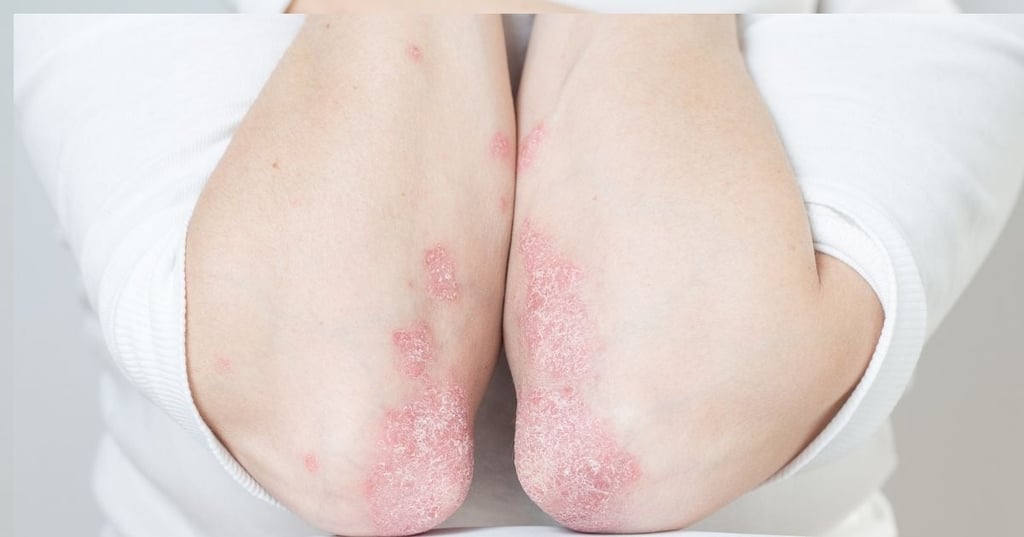
Psoriatic arthritis is an inflammatory joint condition that affects people with psoriasis. It’s similar to rheumatoid arthritis, but the inflammation occurs in people with psoriasis (a skin condition characterised by red, scaly patches).
The condition can look quite different from one person to the next. Some people experience mild joint stiffness and minimal skin involvement. Others have significant swelling across multiple joints, pronounced nail changes, and fatigue that affects daily function.
The severity of psoriasis does not predict how severe the arthritis will be.
It is most often diagnosed in adults between the ages of 30 and 50, and it affects men and women at similar rates.
What are the different types of psoriatic arthritis?
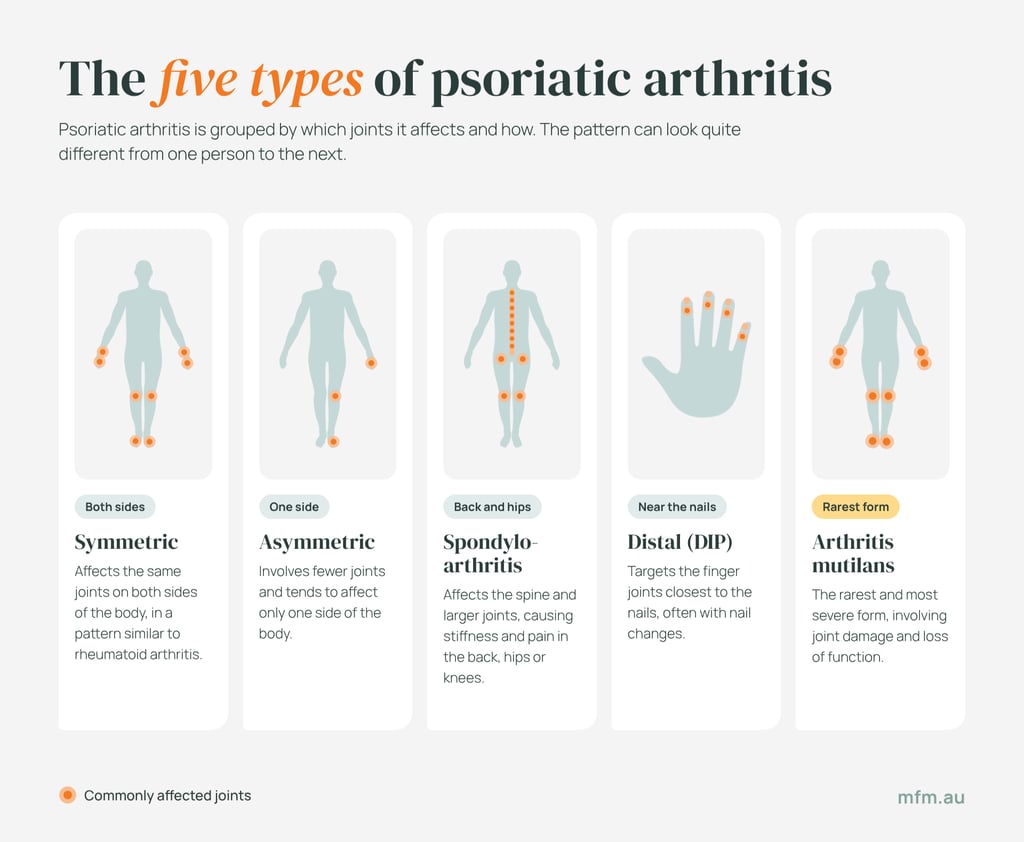
Psoriatic arthritis is classified into five main types:
- Symmetric arthritis: affects the same joints on both sides of the body, similar in pattern to rheumatoid arthritis
- Asymmetric arthritis: involves fewer joints and tends to affect only one side
- Spondyloarthritis: affects the spine and larger joints, causing stiffness and pain in the back, hips, or knees
- Distal interphalangeal-predominant (DIP): targets the joints closest to the nails and is often accompanied by nail changes
- Arthritis mutilans: the rarest and most severe form, involving joint damage and loss of function
Symptoms of psoriatic arthritis
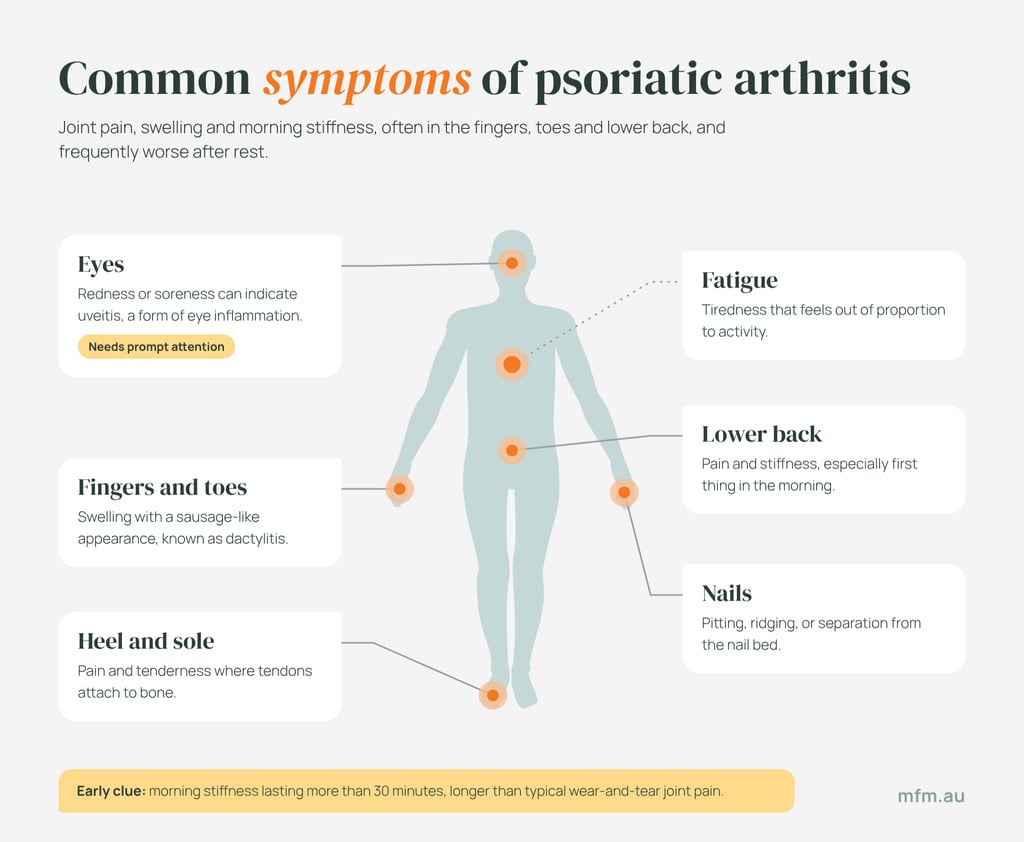
The most common symptoms of psoriatic arthritis are joint pain, swelling, and morning stiffness, often concentrated in the fingers, toes, and lower back, and frequently worse after rest.
Common presentations include:
- Swollen fingers or toes with a sausage-like appearance, known as dactylitis
- Nail changes including pitting, ridging, or separation from the nail bed
- Pain and tenderness where tendons attach to bone, particularly at the heel and sole of the foot
- Lower back pain and stiffness, especially first thing in the morning
- Redness or soreness in the eyes, which can indicate uveitis (a form of eye inflammation) and needs prompt attention
- Fatigue that feels out of proportion to activity
Some people experience symptoms on just one side of the body. Others have more widespread joint involvement. Symptoms can follow an episodic pattern, with extended periods of relative quiet followed by sudden worsening.
What causes psoriatic arthritis?
Psoriatic arthritis most commonly develops when a genetic predisposition is activated by an environmental trigger, causing the immune system to begin attacking joint and skin tissue.
Genetics
Several genes are linked to the condition, including HLA (human leukocyte antigen) variants that affect how the immune system recognises and responds to its own cells. Having a close family member with psoriasis, psoriatic arthritis, or another autoimmune condition raises the likelihood of developing it.
Environmental triggers
- Bacterial or viral infections, particularly streptococcal infections
- Physical injury or trauma
- Prolonged psychological stress
- Smoking, which is associated with more severe presentations
- Conditions that alter immune function, including HIV
Gut health
Gut microbiome diversity is consistently lower in people with psoriatic arthritis than in those without the condition. When bacterial communities become depleted or altered, the immune system can become chronically activated, contributing to the inflammatory activity seen in the joints and skin.
When the gut lining is also compromised, bacterial fragments and other compounds enter the bloodstream and heighten that immune response in someone already predisposed.
Weight
Adipose tissue (body fat) produces pro-inflammatory compounds, and people who are overweight tend to experience more active and severe disease.
How is psoriatic arthritis diagnosed and assessed?
Psoriatic arthritis is diagnosed primarily through clinical assessment, since no single test can confirm it. Clinicians use a formal classification framework known as the CASPAR criteria, which draws on joint symptoms, skin and nail findings, imaging, and blood test results to confirm the diagnosis.
A GP will typically review joint symptoms and their pattern, skin and nail changes, family history, and any previous episodes of joint pain. The absence or presence of psoriasis is an important part of the picture, though it is not always present at the time of diagnosis.
Standard investigations may include:
- Blood tests to assess markers of inflammation, such as CRP and ESR, and to rule out rheumatoid arthritis
- Imaging, including X-ray, ultrasound, or MRI to identify joint inflammation and assess for structural changes
- Skin or nail examination to confirm psoriasis involvement
- HLA-B27 testing in some cases, particularly where spinal involvement is suspected
Blood tests for rheumatoid factor are usually negative in psoriatic arthritis, which helps distinguish it from rheumatoid arthritis, though some people do test positive.
Assessment by a rheumatologist is usually recommended for confirmed or suspected psoriatic arthritis. Early diagnosis is important because untreated joint inflammation can lead to structural damage that may not be reversible. Psoriatic arthritis is also frequently underdiagnosed, and many people have lived with symptoms for years before receiving a confirmed diagnosis.
Functional medicine assessment
A functional medicine assessment goes beyond confirming the diagnosis, building a fuller picture of what else may be involved. Investigations may include:
- Comprehensive stool analysis to assess gut microbiome diversity, signs of intestinal permeability, and markers of gut immune activity
- Food sensitivity testing to identify whether specific foods are contributing to immune activation
- Nutritional blood work assessing vitamin D, zinc, omega-3 status, and other nutrients involved in immune regulation
- Inflammatory markers beyond standard CRP, including homocysteine and other indicators of systemic immune burden
Why psoriatic arthritis symptoms can be difficult to control
Psoriatic arthritis symptoms can be difficult to control because most standard treatments focus on calming immune activity, rather than on the factors that keep triggering it.
Conventional treatments include:
- NSAIDs such as ibuprofen and naproxen
- Corticosteroids taken orally or injected directly into affected joints
- DMARDs such as methotrexate and sulfasalazine
- Biologic agents such as adalimumab and etanercept
- Newer oral agents such as apremilast
- JAK inhibitors such as upadacitinib and tofacitinib
NSAIDs and corticosteroids are effective at dampening inflammation and relieving pain during a flare. When they are stopped, however, the immune signalling responsible for joint and skin inflammation remains present and symptoms return. These treatments ease the inflammation the immune response produces, rather than what is maintaining it.
DMARDs, biologics and newer target therapies go further by modifying how the immune system behaves. They can be effective, particularly in moderate to severe disease, and for some people, they produce periods of stable remission.
But they are not designed to address what made the immune system reactive in the first place.
Increased gut permeability, low microbiome diversity, nutritional insufficiencies, excess body weight, chronic stress and unresolved infections can all continue to provoke immune activity, even while medication is being taken.
For people who cycle through flares repeatedly, or who find that medications become less effective, there is often something maintaining the immune response that has not been identified or addressed.
In some cases, pain can also continue on its own through central nervous system sensitisation, where the nervous system stays in a heightened pain-signalling state even when joint and skin inflammation is well-controlled. Anti-inflammatory treatment does not address this, and it needs a different approach to pain management.
This distinct pathway is not addressed by anti-inflammatory treatment, and it requires a different approach to pain management.
Treating psoriatic arthritis: a functional medicine approach
A functional medicine approach starts by finding out what is keeping the immune system active, rather than only suppressing symptoms. Treatment is then tailored to what your assessment uncovers, and adjusted as your body responds.
Depending on your presentation, care may include:
- Dietary changes: Removing inflammatory foods like processed foods, sugar, alcohol, gluten, and dairy, increasing anti-inflammatory foods such as oily fish, colourful vegetables, and healthy fats, and identifying your personal food sensitivities through testing and elimination can all help lower your inflammatory load
- Gut and microbiome restoration: Precision probiotics and prebiotic support help rebuild a healthier gut bacterial community, while treating intestinal permeability or bacterial overgrowth, where identified, can reduce the joint inflammation associated with that immune activity
- Nutrient repletion: Correcting deficiencies in omega-3 fatty acids (shown to improve pain and joint function), vitamin D, zinc, magnesium, B vitamins, and antioxidants such as vitamin C, NAC, and curcumin can help regulate immune activity and ease inflammation in the joints and skin
- Herbal medicine: Curcumin and boswellia help ease joint and systemic inflammation, ginger supports gut health and anti-inflammatory activity, topical capsaicin may reduce localised joint pain, and adaptogens can support the nervous system where chronic stress is a contributing factor.
- Lifestyle medicine: Movement, sleep, and stress management affect joint inflammation and immune regulation, so care may include low-impact movement, sleep optimisation (poor sleep is common in psoriatic arthritis), vagal nerve stimulation and other stress-reduction practices, and acupuncture referral where pain management is needed
- Topical and light-based therapies: Where skin symptoms remain active alongside joint disease, light therapy and targeted topical treatments address the skin component
- Reducing toxic load: Where heavy metals or environmental toxins are identified through testing, reducing ongoing exposure and supporting the body’s natural clearance pathways is included as part of care
We support people with psoriatic arthritis at every stage of care
We work with people at different stages of psoriatic arthritis, from new diagnoses to those still searching for answers after years of treatment.
When to seek support
See your healthcare provider if you have:
- Persistent joint pain or stiffness
- Joint pain or stiffness affecting your ability to move or function day-to-day
- New joint symptoms alongside an existing psoriasis diagnosis
- Symptoms that keep returning despite treatment, or flares becoming more frequent
- Fatigue, gut issues, or skin symptoms affecting daily life alongside joint disease
- An established diagnosis where treatment doesn’t feel like it’s addressing the full picture
- A family history of psoriasis, psoriatic arthritis, or other autoimmune conditions
- Redness or soreness in the eyes, which can indicate uveitis and needs prompt attention
Frequently asked questions
Can you have psoriatic arthritis without psoriasis?
Yes, psoriatic arthritis can occur without visible psoriasis, particularly when skin symptoms are mild or have gone unnoticed. In some cases, joint symptoms appear years before skin changes emerge. A family history of psoriasis is still relevant to assessment, even without a personal diagnosis.
What are the early warning signs of psoriatic arthritis?
The clearest early clue is morning joint stiffness lasting more than thirty minutes, which is longer than typical wear-and-tear joint pain. Because these signs can resemble general joint strain or ageing, many people go years before connecting them to psoriatic arthritis, especially without visible psoriasis. Chat with your GP if you notice persistent stiffness alongside nail changes or heel pain.
What is the difference between psoriatic arthritis and rheumatoid arthritis?
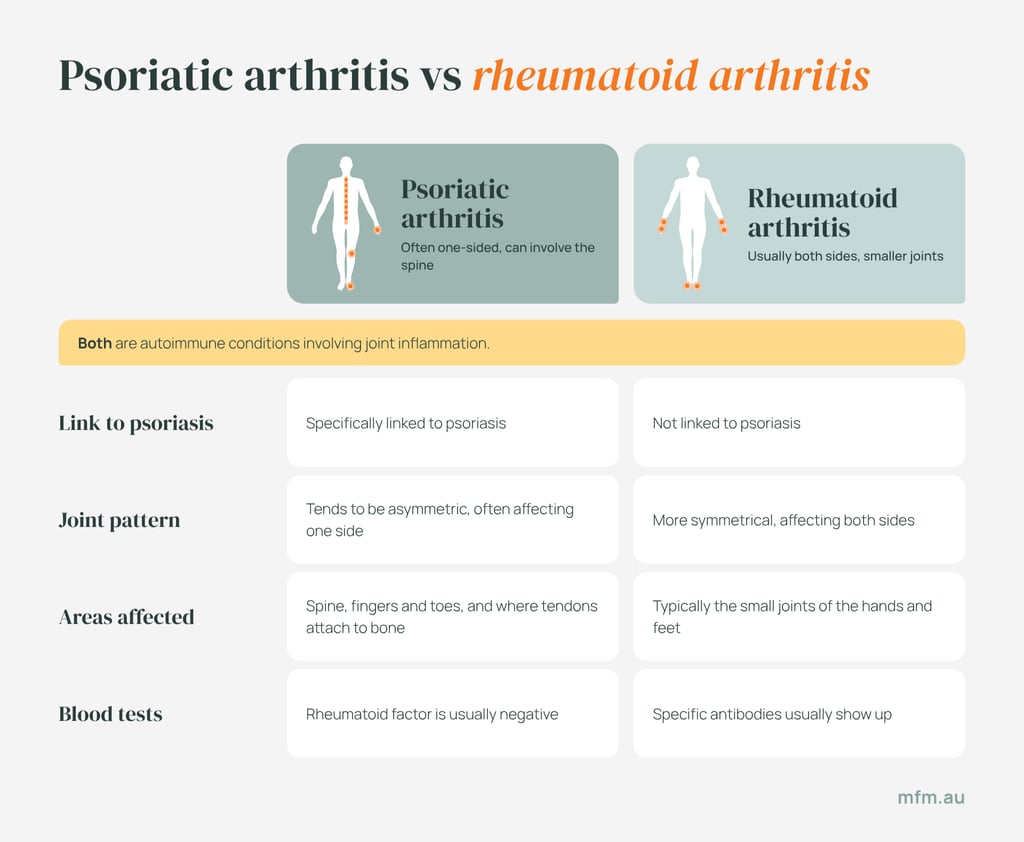
Both are autoimmune conditions involving joint inflammation, but psoriatic arthritis is specifically linked to psoriasis and tends to affect joints asymmetrically, including the spine and the points where tendons attach to bone. Rheumatoid arthritis is more symmetrical, typically affects the small joints of the hands and feet, and usually shows specific antibodies in blood testing.
What triggers a psoriatic arthritis flare?
Flares are most often preceded by disrupted sleep, alcohol, specific foods, or a change in medication, alongside the stress and infection already noted as contributing factors.
Can stress cause psoriatic arthritis to worsen?
Yes, stress can worsen psoriatic arthritis by activating the immune pathways involved in joint and skin inflammation, not just by affecting how symptoms feel. Chronic stress produces measurable changes in immune activity. Nervous system support and stress reduction are an important part of managing the condition long term.
What exercise is safe with psoriatic arthritis?
Low-impact movement such as swimming, walking, and yoga is generally well tolerated and can ease stiffness without straining inflamed joints. High-impact or repetitive-load activity is best introduced gradually, particularly during a flare. A functional medicine practitioner or physiotherapist can help tailor activity to your current joint involvement.
Is psoriatic arthritis hereditary?
Genetics increase psoriatic arthritis risk, but a family history is not a diagnosis and doesn’t mean the condition will develop. If a parent or sibling is affected, monitoring joint symptoms and addressing factors you can influence, such as gut health, weight, and stress can help lower your personal risk profile.
Can psoriatic arthritis go into remission?
Yes, psoriatic arthritis can go into remission, with some people experiencing extended periods of low or absent symptoms. Remission can occur spontaneously, in response to medication, or when contributing factors such as gut health, stress, and diet are actively addressed. It is not always permanent, and understanding what contributed to previous flares can help maintain quieter periods for longer.
Ready to understand what's contributing to your psoriatic arthritis?
If you’re looking for a clearer picture of what’s keeping your symptoms active, learn more about our approach to psoriatic arthritis testing and treatment.