
Functional medicine treatment for IBS
IBS can be a frustrating and life-affecting condition. We take a personalised, root-cause approach to IBS care, focusing on identifying what may be contributing to ongoing digestive symptoms. This can include gut bacteria imbalance, food sensitivities, stress, and how the gut moves, using targeted investigation and individualised treatment to support more predictable, comfortable digestion.

Is our IBS care right for you?
We’ve supported thousands of patients experiencing IBS. When bowel changes or bloating keep coming back despite dietary changes or routines you’ve already tried, there’s usually more to uncover and treat. Our approach may suit you if:

You feel frustrated by bloating or bowel changes that come and go without an obvious reason

You've seen lots of health professionals and tried varied approaches, and you still experience ongoing symptoms

You're looking for a more thorough, personalised approach beyond standard IBS advice or elimination diets

You want to investigate what may be behind your symptoms and reduce how often they return
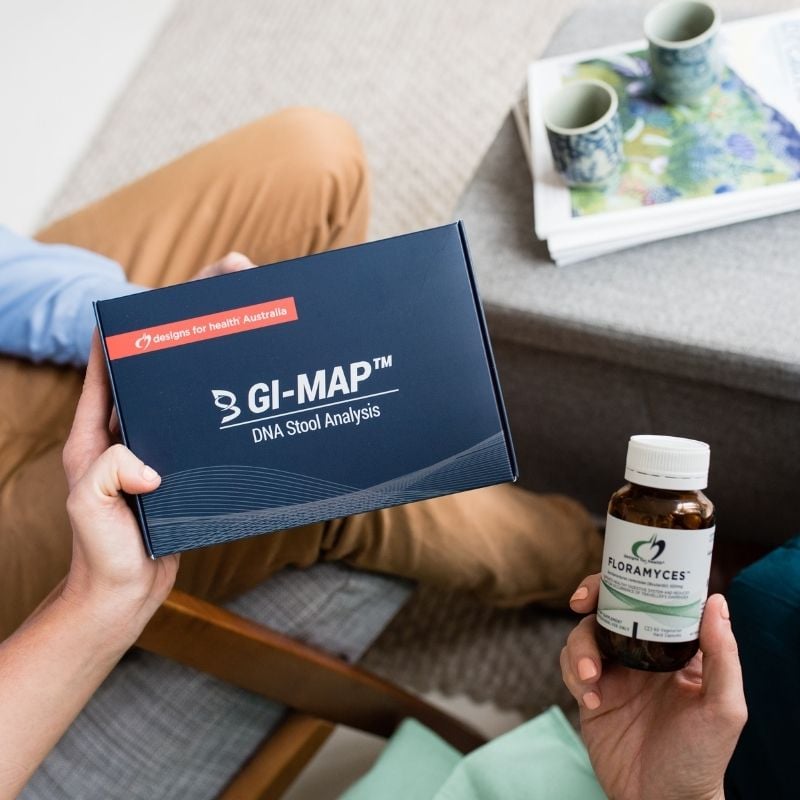
Why IBS symptoms can keep returning
A key frustration for our patients is that their IBS symptoms often keep returning. That’s often because what’s causing them hasn’t been fully identified or addressed. Approaches like low-FODMAP or medications to manage bowel habits can help during flare-ups, but they don’t always get to the source, even when you’re making careful changes to your diet and routine.
In our experience, IBS rarely comes down to a single trigger. Sometimes the trigger can relate more to gut bacteria, whereas bloating and bowel changes can be driven more by certain foods. Other times, it relates more to how the gut and nervous system are interacting, or how the gut is moving food through (rather than what food it is moving through). It’s also common to see these factors overlap, which is why symptoms can seem to come and go.
Our approach to IBS care
We take a functional medicine approach to IBS, using your history, symptom pattern, and targeted investigation to understand how your symptoms have been developing and where support is most needed. This includes looking closely at how bowel habits fluctuate, how symptoms relate to meals or stress, and how your digestion responds to previous changes or treatments. By understanding these elements, we will know whether your initial care leans more towards motility support, microbial testing or nervous system regulation, rather than a one-size-fits-all approach.
Strategies are personalised and may include:
Gut microbiome support
Where a disturbed microbial environment is identified, treatment focuses on changing the conditions in the gut rather than broadly suppressing symptoms:
- Using herbal antimicrobials such as berberine or oregano extract, chosen based on what testing identifies, and only if necessary, as agents like these can unnecessarily disrupt an otherwise healthy microbiome
- Choosing probiotics for specific effects rather than using a generic supplement, for example, Saccharomyces cerervisiae (Boulardii) to support gut lining repair, or Bifidobacterium animalis ssp lactis, where the gut is overly sensitive to pain
- Adding targeted prebiotic fibres to support the growth of indicated species, towards a more robust and diverse microbial environment
Where SIBO is confirmed, treatment addresses both the overgrowth itself and the reason it developed, whether that is low stomach acid, impaired motility, or another factor allowing bacteria to accumulate in the small intestine
Gut lining repair
Where intestinal permeability is a factor, treatment supports repair of the tight junctions in the gut lining:
- Supplementing with glutamine, the primary fuel source for the cells lining the gut wall
- Supporting mucosal repair and smooth muscle function with zinc, vitamin A, and Vitamin D
- Using mucosal-supportive herbs such as slippery elm and deglycyrrhized liquorice (DGL)
Reducing ongoing injury to the lining, whether from diet, alcohol, NSAIDs, or chronic stress, matters as much as providing the raw materials for repair.
Nervous system and gut-brain support
You may not be thinking about stress and nervous system health with IBS, but the vagus nerve governs the body’s rest-and-digest response, including how the gut moves, how it produces digestive secretions, and how it manages inflammation. When vagal tone is low, the gut becomes harder to regulate: motility slows or becomes erratic, and the gut loses some of its natural ability to manage inflammation. Restoring vagal activity is a core focus of treatment. Approaches may include:
- Practising breathwork, slow nasal breathing, humming, and cold exposure to directly stimulate the vagus nerve
- Practices that reduce the physiological stress response, including mindfulness, meditation, Tai Chi, Shinrin-yoku (forest bathing), and regular movement
- Improving sleep quality and reducing alcohol intake, both of which affect nervous system recovery
- Talking with someone, like a health coach, to fully understand how you personally process your world. Like everything, stress is highly personal
Where stress is significant, herbal adaptogens or specific nutrients to support mood and nervous system function may be used alongside these practices.
Dietary strategies
Dietary strategies target the specific foods and eating patterns contributing to symptoms. Approaches may include:
- Using a low-FODMAP diet as a short-term tool to reduce symptom load while other factors are addressed
- Conducting targeted elimination and reintroduction, or sensitivity testing, to identify specific food reactivity rather than removing entire food groups
- Transitioning to Mediterranean-style eating as a longer-term framework to support microbial diversity and lower inflammatory load
- Using a low histamine diet as a short-term tool where histamine is identified as a significant contributor, to calm immune reactivity while the body’s ability to clear it is improved
Nutritional support
- Assessing and addressing nutrients, including magnesium, B vitamins, vitamin D, and zinc, all of which support gut repair and nervous system function
- Using prokinetic herbs or nutrients to support transit time where motility is sluggish
These treatments can lead to more predictable bowel habits, less bloating after meals, and greater confidence in how your digestion responds to food.
How we investigate persistent IBS
Functional testing is guided by your history, symptom pattern, and how your IBS presents and is used to clarify what may be contributing to your pattern and to rule out related conditions. Testing can include:
- Microbiome testing
- SIBO breath testing
- Testing for pathogenic microbes such as E. coli, Giardia, Salmonella, or Shigella
- Food sensitivities or food intolerances
- Coeliac disease markers
- Mould & mycotoxins
- Organic acid testing
- Standard blood chemistry from your GP
- Nutrient testing

Case study
See how our approach helps our patients achieve better health and richer lives.
This case study follows Lola’s journey through the healthcare program. Her aim was to regain control of her persistent skin conditions, hormonal imbalances, and gut health issues that had been impacting her daily life.
Lola’s story
This case study follows Lola’s journey through the healthcare program. Her aim was to regain control of her persistent skin conditions, hormonal imbalances, and gut health issues that had been impacting her daily life.
When Lola joined the program, her primary health concerns included psoriasis on her scalp, perioral dermatitis (eczema) around her mouth, hormonal imbalances leading to heavy PMS symptoms, breast tenderness, and irregular cycles, as well as IBS characterised by bloating and constipation. These chronic conditions significantly impacted her quality of life.
Lola often felt physically and emotionally drained, as her previous efforts to manage these symptoms on her own had only provided partial relief. Recognising the need for accountability and structured support to implement lasting changes became evident from the very beginning of her journey.
An in-depth analysis of the problem
To identify the root causes of Lola’s health issues, several tests were conducted:
- P88 food sensitivity test: Identifies food intolerances and sensitivities that may contribute to her IBS and skin flare-ups.
- MyDNA comprehensive test: Uncovers potential genetic susceptibilities that may impact her metabolism and hormonal regulation.
- Nutristat: Aims to understand any nutrient deficiencies and imbalances in sex and thyroid hormones that may contribute to her fatigue, weight struggles, and inflammation.
- Coeliac test: Potential gluten sensitivity as a contributing factor to her IBS and gut inflammation.
Lola’s assessments uncovered several IgE-mediated food reactions, which she realised were contributing to her digestive issues and skin itching. Thankfully, testing confirmed that she is not susceptible to coeliac disease, providing some reassurance about her dietary options.
Her Nutristat results were relatively unremarkable, but the DNA test offered valuable insights for the future, including potential strategies to protect her brain health over time.
At-home digestive testing revealed an inability to digest a range of carbohydrates, indicating a dysbiotic gut environment that was likely driving her IBS symptoms. This assessment also highlighted poor-quality stomach acid, a factor that can exacerbate dysbiosis and indigestion, further compounding her digestive challenges.
Implementing the solution
To address Lola’s complex health concerns, a personalised protocol was designed by her practitioner alongside her coach. The protocol targeted her skin issues, hormonal imbalances, and gut health, all of which were closely interconnected.
The first step in her plan was the P88 elimination diet, designed to remove foods identified as triggers for her gut and skin issues. This dietary approach aimed to reduce inflammation in her gut, manage her IBS symptoms and bloating, and prevent perioral dermatitis flare-ups.
In addition to dietary changes, Lola’s protocol included targeted nutritional and herbal supplements. Betaine HCl was introduced to improve stomach acid levels, enhancing digestion and creating the proper pH environment for healthy bowel flora. Zn Bioactive was added for its immune-modulating and skin-healing properties, while Lactobacillus plantarum was included to restore healthy intestinal motility. PHGG prebiotic powder was also recommended to support the growth of beneficial bowel flora.
Stress management played a crucial role in Lola’s recovery, as stress was identified as a key trigger for her skin flare-ups and hormonal imbalances. Mindfulness techniques, such as yoga nidra and meditation, were introduced to help her manage emotional stressors. These practices allowed Lola to activate her parasympathetic nervous system, promoting calmness and creating an environment conducive to healing.
Lola faced several barriers during her journey that were addressed through ongoing health coaching.
One significant challenge was adapting to the P88 elimination diet. Lola found the diet restrictive and overwhelming, particularly as it required careful planning and preparation while her energy levels were low. Meal preparation initially felt like an insurmountable task.
To overcome this, her coach guided Lola in breaking down meal planning into small, manageable steps. They began by identifying a few simple, compliant recipes that she could repeat throughout the week. Together, they also worked on reframing food preparation from a tedious chore to an opportunity to nourish her body for energy and healing.
Another major barrier was Lola’s tendency to overextend herself through work and social commitments, leaving little room for rest. This constant state of busyness and productivity was a significant obstacle to her healing process. Her coach used motivational interviewing and active listening techniques to help Lola recognise the importance of slowing down. By regularly asking herself “What does my body need right now?” Lola began to prioritise rest and self-care, giving her body the space it needed to recover.
Lola also struggled to connect emotionally with her healing journey. She often felt disconnected from the process, overwhelmed by conflicting health advice and trends, and second-guessed her decisions. To address this, her coach introduced a visualisation and health vision-setting exercise, which helped Lola reconnect with her inner motivations. This exercise allowed her to define her health goals clearly and emotionally connect with the outcomes she desired. This newfound clarity became a turning point, enabling Lola to sustain her motivation and approach her health journey with confidence and focus.
Achieving an incredible result
One of the most transformative moments in Lola’s journey was the discovery of her food triggers. Identifying the specific foods that exacerbated her eczema and IBS symptoms provided her with clear guidance on what to avoid, leading to a significant reduction in flare-ups. For the first time, she had a practical tool to manage her eczema, which had previously “ruined” her life. This breakthrough gave her a sense of relief and hope, as she finally understood the connection between her diet and her health.
Another major high point was Lola’s growing sense of control over her body. After months of battling flare-ups and feeling powerless, she began to recognise and respond to her body’s cues. By understanding how her lifestyle choices impacted her health, she felt empowered to manage her symptoms effectively. As Lola shared, “I now know my triggers, and I feel like I’m finally in control of my eczema without needing steroids”. This newfound autonomy became a cornerstone of her confidence and healing.
Throughout the program, Lola also celebrated steady progress and milestones. Improvements in gut health, weight loss, and more balanced hormonal cycles were small but meaningful wins that reinforced her commitment to the process. Each milestone was a testament to her hard work and dedication, and celebrating these achievements helped her stay motivated and confident in her ability to continue making positive changes. These moments of progress marked her transformation and contributed to her overall success.
We support more predictable, comfortable digestion
Move beyond guesswork and short-term fixes to lasting, more confident digestion. Start your care journey today.
Your digestive health care team
GETTING STARTED
Choose how you'd like to begin

3-hour initial apt
3-hour initial appointment
- Comprehensive deep dive into your health picture
- Ideal for complex or long-standing concerns
- Root-cause mapping and strategy session
- Get your personalised health mindmap
Start with a deep dive

1-hour initial apt
1-hour initial appointment
- Review your health history and current concerns
- Receive testing and treatment recommendations
- Leave with an initial plan to get started
A focussed starting point
WHAT PATIENTS SAY
Why Melbourne Functional Medicine is trusted for Irritable bowel syndrome (IBS)
Patient experiences
Our award winning approach is personalised, collaborative and focused on your health.
See what past patients say about their experience below.





Frequently
Asked
Questions
Why do my IBS symptoms change so much from day to day?
Symptoms are often driven by flare-ups that can fluctuate. IBS flare-ups can last anywhere from a few hours to several days or even weeks, depending on the severity and individual triggers. Typically, they subside within 2 to 4 days, but stress, diet, and other factors can prolong the duration. It’s not unusual for something that felt fine one day to feel much harder the next
Why haven’t dietary changes like low FODMAP fully resolved my IBS?
Dietary approaches such as low FODMAP can reduce symptoms for some people, particularly in the short term. However, they don’t always address what’s behind your specific pattern, which is why symptoms can persist or return. In some cases, gut bacteria, how the gut moves, or gut–brain signalling need to be looked at more closely.
Do I need a confirmed diagnosis before starting care?
No. Some people come in with a formal IBS diagnosis, while others are working from ongoing digestive symptoms that fit an IBS pattern. We use your history, symptoms, and any previous investigations to work out the most useful next step for you. If further testing is needed, this is discussed as part of your care.
Can this approach work alongside my current treatment plan?
Yes. Many people continue with their existing medical care while adding a functional medicine approach. This may include working alongside medications or dietary strategies already in place, while looking more closely at patterns that may not have been fully addressed. Care is adjusted to ensure it complements what you’re already doing.
Where can I learn more about IBS?
For a deeper look at how IBS affects the gut and why symptoms can persist, read our detailed guide to IBS.
Ready to find out what’s behind your symptoms?
If you’re looking for a thoughtful, comprehensive approach, we take the time to understand your health more fully and support more predictable, comfortable digestion.
