
Functional medicine support for PCOS (PMOS)
We take a personalised, root-cause approach to PCOS (recently renamed Polyendocrine Metabolic Ovarian Syndrome, or PMOS). Care focuses on identifying what may be keeping your cycles irregular, your skin breaking out, or your weight from responding the way it should, using targeted investigation and individualised treatment to support more regular cycles, clearer skin, and more stable energy and weight.

Is our PCOS care for you?
If you’ve been diagnosed with PCOS or strongly suspect it, and your cycles remain irregular or symptoms like acne, weight changes, or unwanted hair growth keep coming back, a more comprehensive approach can help make sense of what may be contributing. Our approach may suit you if:

Your medical team have not been able to tie together your 'seemingly random' symptoms

You keep being told 'everything is fine' even when your body feels like a stranger

You're looking for a more thorough, personalised approach than managing one symptom at a time

You want to investigate what may be affecting your cycles, skin, weight, and energy

Why PCOS symptoms don’t always improve with treatment
In conventional care, PCOS is often treated by working to manage symptoms, such as regulating cycles with the pill or managing insulin with medication. While this can help in the short term, it doesn’t always explain why your cycles are still irregular or why your skin keeps breaking out despite treatment
When symptoms keep coming back, there’s usually more than one thing contributing. Insulin regulation, androgen levels, thyroid function, and how consistently ovulation occurs are often connected, and addressing one without the others is often why you’re still not feeling right.
Getting clarity on which of these is contributing most in your case is usually where progress starts.
Our approach to PCOS treatment
Care starts with understanding your full health picture. We look at cycle behaviour, skin changes, weight changes, and how you’ve responded to previous treatments. This gives us a clearer picture of where your cycle, skin, weight, and energy patterns point, and where support is most likely to make a difference.
Your treatment plan is then personalised to you. For some, the focus is on improving insulin regulation through nutrition and lifestyle changes. For others, it may involve addressing androgen levels, thyroid function, or supporting how your body breaks down and removes excess hormones. Where appropriate, we also use targeted testing to confirm what we’re seeing and guide next steps.
Depending on your presentation, treatment may include:
Dietary and metabolic support
Dietary approaches can reduce your body’s demand for insulin, which can lower androgen levels and help your cycle become more regular.
- A low-GI diet rich in whole foods to reduce blood glucose spikes and stabilise energy levels, with attention to inflammatory foods such as gluten, dairy, and sugar
- Movement and exercise which improves insulin sensitivity independently of weight change. Current PCOS guidelines recommend 150 to 250 minutes of moderate intensity activity or at least 75 minutes of vigorous exercise per week, including strength training on two non-consecutive days
Nutritional support
Several nutrients can help regulate the insulin and blood glucose patterns behind many PCOS symptoms, working alongside the dietary changes above.
- Inositol combined with folate, which may support blood glucose regulation and insulin sensitivity, and may ease androgen-related symptoms in some people
- Magnesium, zinc, and berberine to help regulate blood glucose
- Cinnamon and chromium, which may also help stablise blood glucose
- Vitamin D, particularly where deficiency is present, may support insulin sensitivity; supplementation is most relevant where your levels are low
- Iodine, which supports both thyroid and ovarian function and can be increased through supplements or foods such as seaweed and saltwater fish
- Probiotics, which may help regulate gut health and blood glucose
Herbal medicine
Herbal medicine may help regulate the androgen levels contributing to acne, excess hair growth, or cycle irregularity.
- Liquorice root and white peony encourage the conversion of testosterone to oestrogen through a process called aromatase, and as androgen levels come down, your ovaries can resume more normal function, which may improve cycle regularity, skin, and hair growth patterns
Thyroid assessment
Thyroid function is assessed alongside reproductive hormones because low thyroid function worsens insulin sensitivity and can amplify PCOS-related symptoms. Metformin, commonly prescribed for PCOS, can affect thyroid function, making monitoring particularly relevant if you’re taking this medication.
- Comprehensive thyroid assessment beyond TSH, including free T3, free T4, and thyroid antibodies
- Iodine repletion where indicated, given its importance to both thyroid and ovarian health
Stress and nervous system support
Chronic stress is addressed directly because cortisol elevation adds to androgen load and worsens cycle irregularity, weight changes, and mood instability in ways that dietary and metabolic strategies alone do not resolve.
- Targeted strategies to help regulate adrenal androgen output where stress is a contributing factor
- Herbal adaptogens and lifestyle strategies to reduce cortisol load
Sleep quality
Poor sleep raises cortisol and reduces insulin sensitivity, both of which can worsen the blood glucose and androgen patterns behind PCOS. Because of this link, sleep quality is addressed directly as part of your care, using strategies suited to what’s affecting your sleep.
Gut health
Your gut microbiome plays a role in how oestrogen is broken down and cleared, and in how much background inflammation your body is carrying, both of which can influence androgen levels and cycle regulation in PCOS. Where testing or symptoms point to this being relevant, gut-focused support may be included as part of your care
This approach works alongside conventional treatment, not in place of it. If you are already on the pill or other prescribed medication, a functional medicine practitioner works with what you are already doing, looking at what else can be addressed while your current treatment continues.
How we investigate your PCOS
Your practitioner will use functional testing methods to determine a range of contributing factors to your condition. Given the multifaceted nature of PCOS, testing can include:
- Advanced hormone profile
- Adrenal function testing
- Liver health testing
- Advanced thyroid panel
- Blood glucose and insulin monitoring
- Nutrient deficiency testing
We support people with PCOS to achieve optimal health
We’ve helped women with PCOS to not only reclaim their health but to enjoy life with vitality. Start your care journey today.
Your women’s health care team
GETTING STARTED
Choose how you'd like to begin

3-hour initial apt
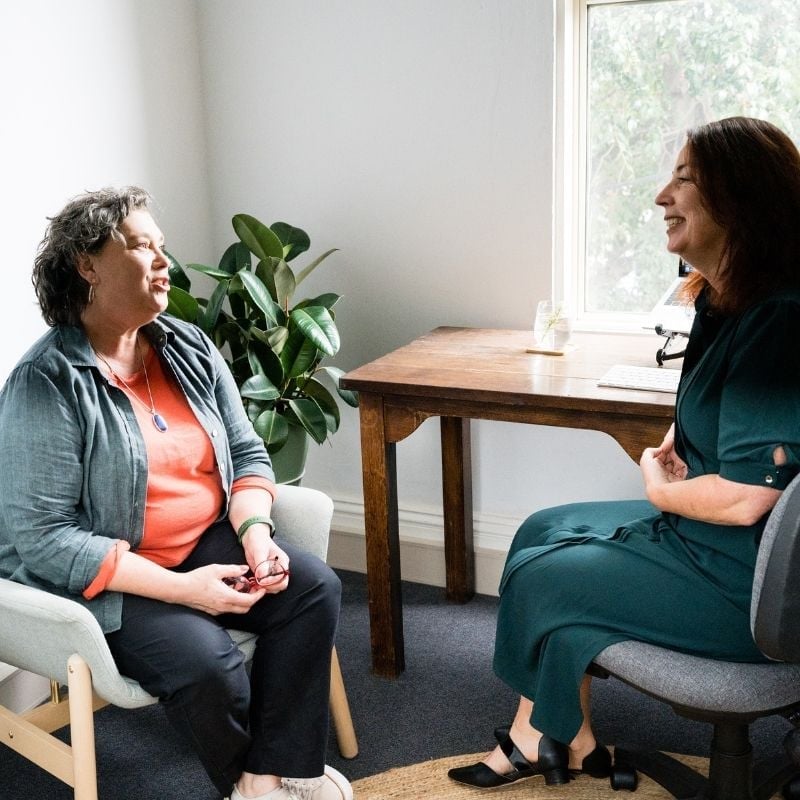
3-hour initial appointment
- Comprehensive deep dive into your health picture
- Ideal for complex or long-standing concerns
- Root-cause mapping and strategy session
- Get your personalised health mindmap
Start with a deep dive
1-hour initial apt
1-hour initial appointment
- Review your health history and current concerns
- Receive testing and treatment recommendations
- Leave with an initial plan to get started
A focussed starting point
WHAT PATIENTS SAY
Why Melbourne Functional Medicine is trusted for PCOS
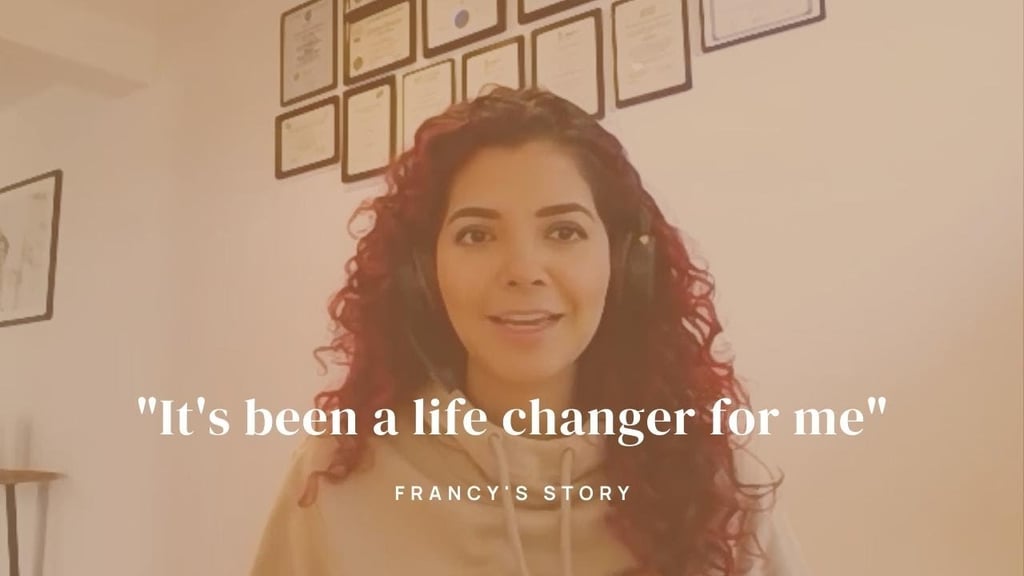
Patient experiences
Our award winning approach is personalised, collaborative and focused on your health.
See what past patients say about their experience below.


Frequently
Asked
Questions
Do I need a diagnosis of PCOS before seeking care?
No. Some people come in with a confirmed diagnosis, while others are noticing irregular cycles, skin changes, or weight patterns that suggest PCOS may be involved. If a diagnosis needs to be confirmed or clarified, we can guide that alongside your care.
Why does it feel like I’m managing PCOS but not seeing lasting change?
It’s common to feel like certain areas improve while others don’t. Cycles may regulate temporarily while skin or weight concerns persist, or the other way around. This often reflects different aspects of PCOS being looked at separately rather than as a connected picture. Looking at the full picture often reveals why one area keeps lagging behind.
Can this approach work alongside my GP or existing care?
Yes. Many people continue working with their GP, endocrinologist, or gynaecologist while receiving functional medicine care. We can complement existing treatment plans and help interpret results in the context of your broader health and cycle patterns. This means your care stays connected rather than running as two separate approaches.
How do I know which part of PCOS needs the most focus?
PCOS presents differently in different people; some notice more weight and energy changes, others more cycle or skin-related patterns. Looking at how your symptoms have developed, alongside any previous results, helps identify where to start. Rather than trying to address everything at once, you begin where it’s most likely to make a difference.
Where can I learn more about PCOS and functional medicine approaches?
For a deeper look at how PCOS affects the body and why symptoms can persist, read our detailed guide to PCOS.
Ready for a more personalised path forward?
We take the time to look more deeply at your health and work with you toward feeling like yourself.
