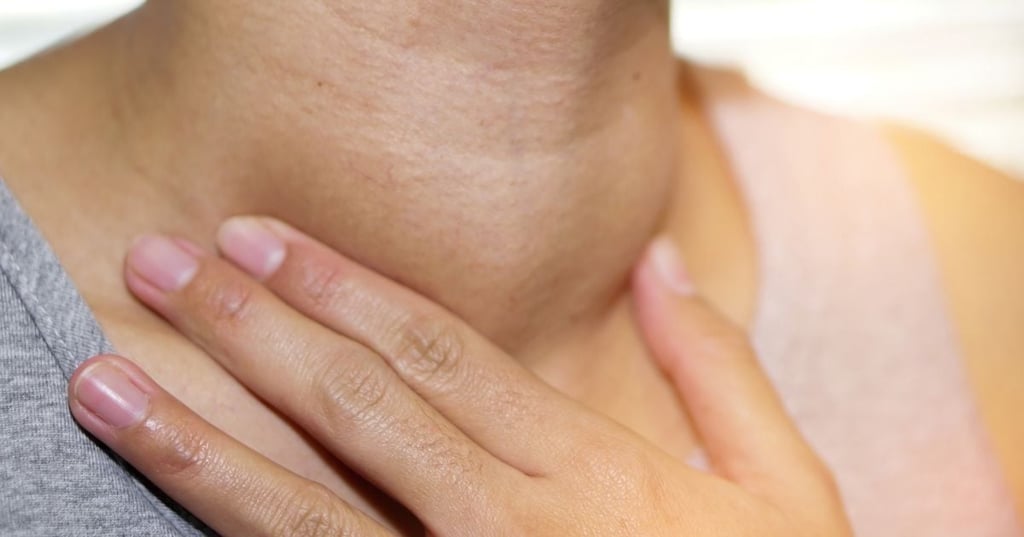
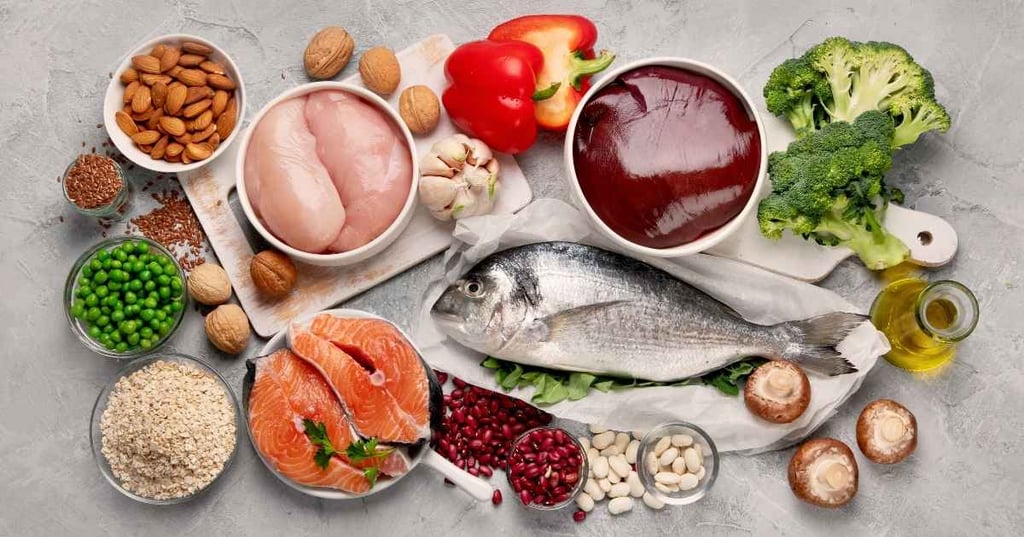

Hashimoto’s puts extra pressure on your body in ways that aren’t always obvious. It’s not just about your thyroid hormone levels – it also affects your immune system, inflammation, digestion, and how well your body absorbs and uses nutrients.
This helps explain why two people with the same diagnosis, even with similar blood test results, can feel completely different. One might have fatigue and hair loss, while another struggles with brain fog and constipation.
At the centre of this is nutrition. Your thyroid relies on specific nutrients to make hormones, activate them, and protect itself from damage. At the same time, your immune system is working overtime, which draws on more nutrients than usual, especially those involved in regulating inflammation.
It’s easy to assume that if a nutrient supports thyroid health, more must be better. But in Hashimoto’s, it’s rarely that simple. What helps one person may do very little for someone else or could even make things worse.
In this article, we’ll look at which nutrients are most relevant to Hashimoto’s, why deficiencies are so common even with a healthy diet, and how a functional medicine approach helps clarify what your body actually needs.
Why nutrient deficiencies are so common in Hashimoto’s
In Hashimoto’s, low nutrient levels aren’t simply about what you eat. They’re often the result of how the condition changes digestion, immune function, and overall nutrient demand.
Autoimmune activity increases the body’s need for nutrients like selenium, zinc, and vitamin D – which are used constantly for things like regulating inflammation, converting thyroid hormones, and protecting tissues. At the same time, gut changes can make it harder to absorb those nutrients properly.
Some of the most common contributing factors seen in clinic include:
- Immune system overdrive: creates a higher demand for selenium, zinc, and vitamin D
- Weakened digestion: low stomach acid, enzyme issues, or gut inflammation can reduce absorption of iron, B12, magnesium and more
- Poor hormone conversion: thyroid hormone needs co-factors like selenium and zinc to activate properly
- Restrictive diets: especially long-term gluten or dairy-free approaches that aren’t well-balanced
- Chronic stress: affects digestion and accelerates nutrient depletion
For many people, this is where things start to click. “My digestion hasn’t been great for years” or “my blood tests were normal, but I still felt off” are common realisations. Once you understand why demand can go up while absorption goes down, the next step is identifying which nutrients actually matter most.
Nutrients that support thyroid and immune function
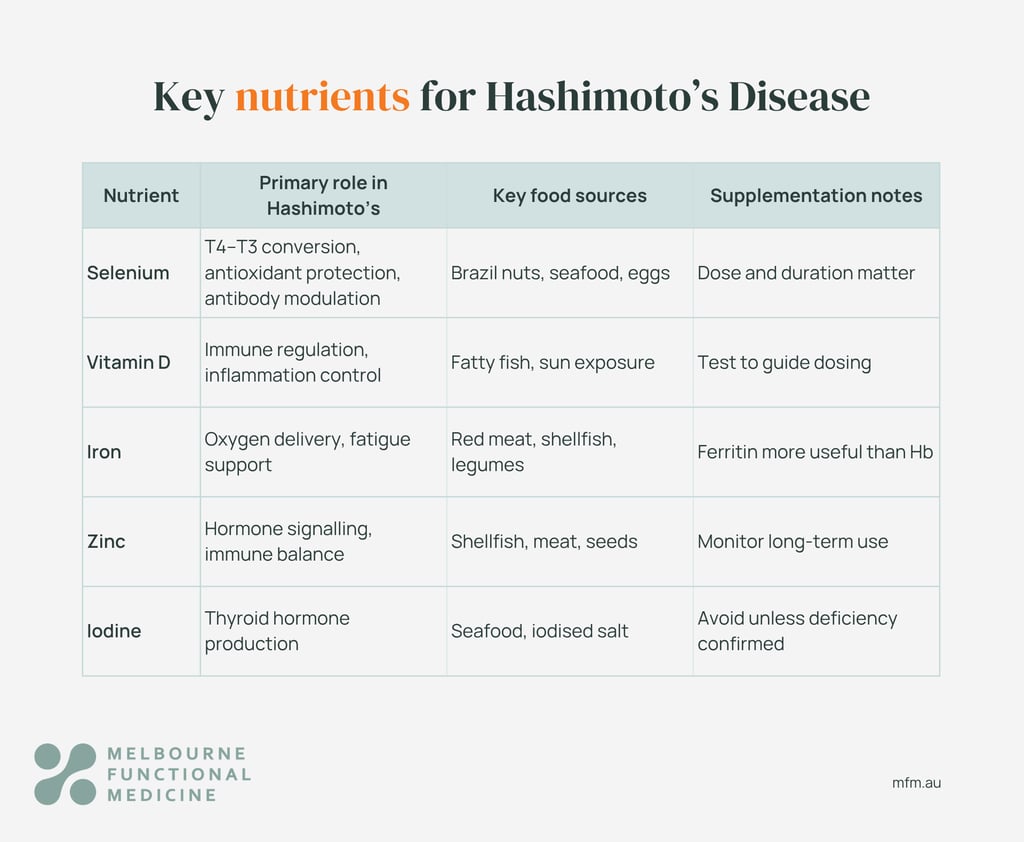
Selenium
Selenium supports hormone conversion and protects the thyroid from oxidative stress – both of which are particularly relevant when immune activity is heightened in Hashimoto’s.
Supports: conversion of T4 to active T3; protection of thyroid tissue from oxidative stress; modulation of thyroid antibodies in some people
Food sources: Brazil nuts, seafood, eggs, and organ meats
Supplementation note: May be helpful in some cases, but dose and duration matter. Excess can be counterproductive, particularly alongside high iodine intake
Vitamin D
Vitamin D acts more like a hormone than a vitamin and plays a central role in immune regulation. Low levels are commonly seen in Hashimoto’s and are associated with increased autoimmune activity. A 2023 systematic review and meta-analysis of 10 clinical trials found that supplementation at doses above the recommended daily intake, sustained over more than three months, was associated with reductions in thyroid peroxidase and thyroglobulin antibodies in people with Hashimoto’s. As with all supplementation, individual requirements vary and testing helps determine whether and how much support is appropriate.
Supports: immune tolerance and regulation; reduced inflammatory signalling; musculoskeletal health and energy
Food sources: Fatty fish, egg yolks, fortified foods (sun exposure is often the most significant contributor)
Supplementation note: Best guided by blood testing, as requirements vary widely
Iron
Iron deficiency is common in people with hypothyroidism and is often overlooked, partly because the symptoms, fatigue, hair loss, and weak nails, closely mirror those of thyroid dysfunction. Importantly, iron is required for conversion of T4 to its active form, T3. For those with hypothyroidism, low iron stores can negatively affect energy levels through both pathways at once.
Supports: T4 to T3 conversion; red blood cell production; oxygen delivery to tissues
Food sources: Red meat, shellfish, legumes, leafy greens
Supplementation note: Testing is essential before supplementing. A complete assessment includes ferritin, serum iron, saturation and transferrin
Zinc
Zinc is required for manufacturing thyroid hormone and for maintaining healthy T3 receptor function. This means adequate zinc levels can support both thyroid hormone synthesis and signalling.
Supports: thyroid hormone synthesis and signalling; immune and mucosal integrity; hair, skin and nail health
Food sources: Shellfish, red meat, pumpkin seeds, legumes
Supplementation note: Long-term use should be monitored, as excess zinc can affect copper balance
Tyrosine
Tyrosine is an amino acid that serves as the structural foundation for thyroid hormone synthesis. Thyroxine (T4) is essentially tyrosine with four iodine atoms attached, which is then converted into the more active triiodothyronine (T3) by removing one iodine. Without adequate tyrosine, the raw material for this process is limited.
For most people, eating a varied diet with sufficient protein, tyrosine is not a common deficiency. However, those with low protein intake may have reduced availability, which can affect hormone synthesis.
Tyrosine is also required to produce neurotransmitters such as adrenaline and noradrenaline. This is where genetic variation can play a role. Some people carry variations in genes such as COMT (catechol-O-methyltransferase), which influence how neurotransmitters are processed and cleared. In these cases, demand for tyrosine across multiple pathways may be higher, and mood-related symptoms can sometimes reflect this overlap. This is one reason why low mood and fatigue in Hashimoto’s is not always purely thyroid-driven.
Supports: thyroid hormone synthesis; neurotransmitter production
Food sources: meat, poultry, fish, eggs, dairy, legumes, nuts and seeds
Supplementation note: Best considered alongside testing and practitioner guidance, particularly where mood symptoms or genetic variations may be relevant
A note on iodine
Iodine is essential for thyroid hormone production, but it requires careful consideration in Hashimoto’s. While adequate iodine is necessary, excess amounts can increase autoimmune activity and oxidative stress in some people with Hashimoto’s, especially those with existing thyroid inflammation or high iodine intake.
If you’re considering any supplementation containing iodine, including iodine-containing plants such as kelp or bladderwrack, it’s worth ensuring total elemental iodine intake does not exceed 200mcg. Food sources such as seafood, seaweed, iodised salt and dairy contribute to this total. Assessment is best guided by testing and individual context rather than general supplementation.
Why supplementing without testing can be counterproductive
Some nutrients involved in thyroid health have narrow therapeutic windows. Excess amounts may increase inflammation or oxidative stress, and poor absorption can limit benefit even at high doses. Symptoms like fatigue or brain fog often have multiple contributing factors, which means adding supplements without understanding the full picture can obscure what’s actually going on.
Rather than asking “What should I take?”, a functional medicine approach helps to focus on what your body genuinely needs and why.
A note on testing and absorption
Functional testing explores how your thyroid, immune system, and nutrient status are interacting rather than looking at each in isolation. Common markers include vitamin D, ferritin, B12, zinc, selenium, and thyroid antibodies such as TPOAb and TgAb.
Absorption matters just as much as intake. Low stomach acid, microbiome imbalances, or gut inflammation can all reduce how well nutrients are absorbed. In some cases, improving digestive function makes a more meaningful difference than increasing supplementation.
How to use this information
This article isn’t a supplement checklist. It’s intended to help you make sense of what your thyroid may need and when testing could help clarify the picture.
Understanding the role of specific nutrients can help you:
- Focus on the ones most relevant to Hashimoto’s
- Recognise when it’s worth investigating further with testing
- Avoid unnecessary or one-size-fits-all supplementation
The goal isn’t to do more, it’s to support your thyroid in a way that makes sense for your individual situation.
Ready to take your thyroid knowledge to the next level? Learn about our Thyroid Masterclass.