
Table of contents
The inner workings of a healthy gut
When things go wrong: signs and symptoms of gut dysfunction
What causes gut issues? Understanding the root triggers
A functional medicine approach to improving gut health
Personalised interventions: treating the root cause of gut health issues
How to improve gut health: Our top 10 ways
How to build a long-term gut health plan
Taking control of your gut health
Is your gut trying to tell you something?
Whether you’re dealing with obvious digestive symptoms like bloating and discomfort, or struggling with issues that seem unrelated – like brain fog, fatigue, skin flare-ups, or mood swings – from a functional medicine perspective, investigating your gut health is often the starting point for healing.
Your digestive system is deeply connected to nearly every aspect of your health. It not only breaks down food and absorbs nutrients – it influences your immunity, mental clarity, energy, hormones, skin, and how you think, feel, and function on a daily basis. When the gut is out of balance, the ripple effects can show up in surprising and frustrating ways.
In this guide, we’ll take a deep dive into the world of gut health: what a healthy gut looks like, how it functions, and the common reasons it can go off track. We’ll explore key imbalances like dysbiosis, leaky gut, and food sensitivities, and look at how a functional medicine approach can help uncover the root causes behind ongoing symptoms.
You’ll also discover the top 10 ways to improve your gut health, plus an introduction to functional testing tools that can help guide your journey.
Whether you’ve been chasing answers for years or are just starting to explore what’s going on inside, this gut health guide is designed to give you clarity, confidence, and a practical path forward to improve your gut health.
The inner workings of a healthy gut
When most people think of the digestive system, they picture the stomach… maybe the intestines. But digestion is a full-body process, starting from the moment food enters your mouth.
Your teeth, tongue, and even the enzymes in your saliva begin breaking food down before it even reaches your stomach. As you swallow, structures like the glottis and epiglottis guide food safely into the oesophagus and down into the stomach, where powerful acids continue the breakdown process.
From there, the real magic happens in the small intestine. This is where the pancreas, liver, and gallbladder step in, releasing enzymes and bile to help you digest fats, absorb essential nutrients, and get the most out of what we eat.
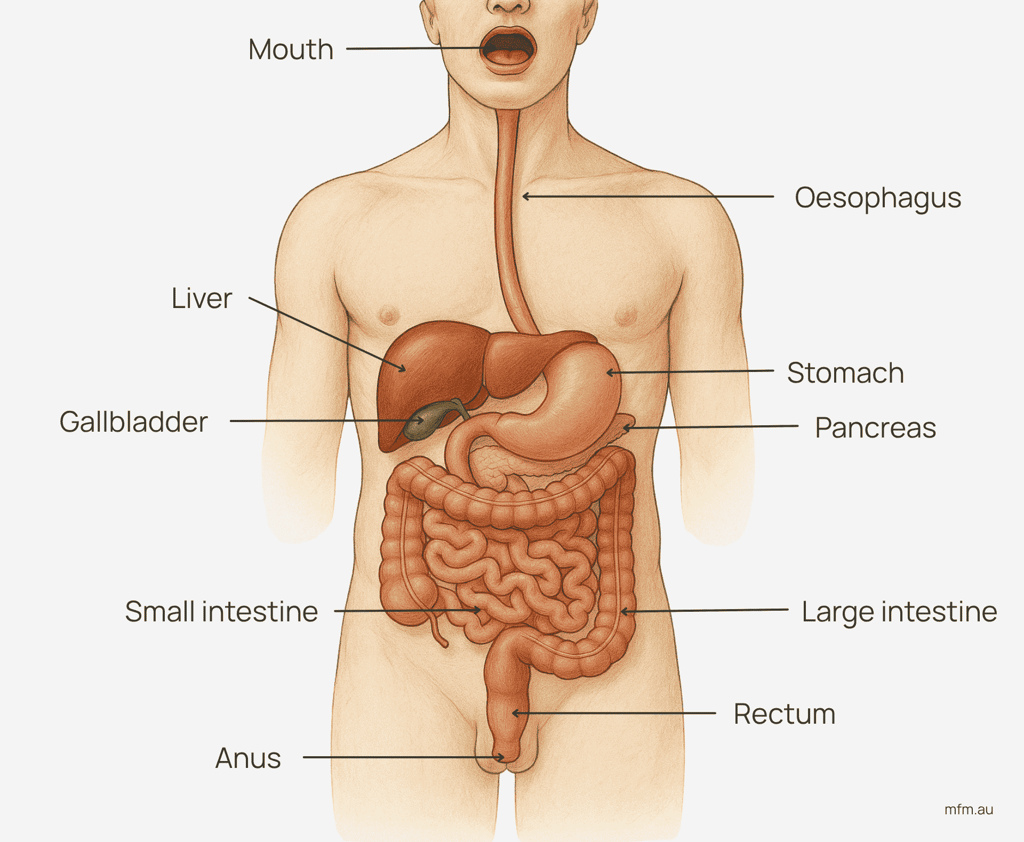
That’s just the big-picture anatomy. Zoom in closer, and you’ll find a fascinating microscopic world.
We have tiny finger-like projections called microvilli, layers of protective mucus, immune cells that live inside the gut wall, and a vast network of nerves (the enteric nervous system) that helps everything run smoothly.
But perhaps one of the most fascinating parts of digestion is something we can’t even see: the gut microbiome. This is the trillions of bacteria living mostly in your large intestine. In fact, the average adult carries about 2 kilograms of bacteria in their gut! These microbes are as unique to you as your fingerprints, and play a vital role in digestion, immune function, mood, and even skin health.
Thanks to advances in testing, we can now map the diversity and balance of these microbial communities, opening up a whole new window into our internal health.
In many ways, your digestive system is a living, breathing ecosystem: always adapting, always responding to your diet, stress levels, sleep, and more.
What does a healthy gut look like?
Good gut health goes beyond the absence of discomfort like bloating or reflux. When your digestive system is thriving, there are some clear, positive signs your body will show.
Your bowel movements tell the biggest story. A healthy gut means:
- One complete, easy-to-pass bowel movement a day is ideal
- No blood, mucus, or excessive gas
- Stools should be smooth, soft, and shaped like a sausage (Type 4 on the Bristol Stool Chart below).
- Mid-brown in colour
- No visible undigested food
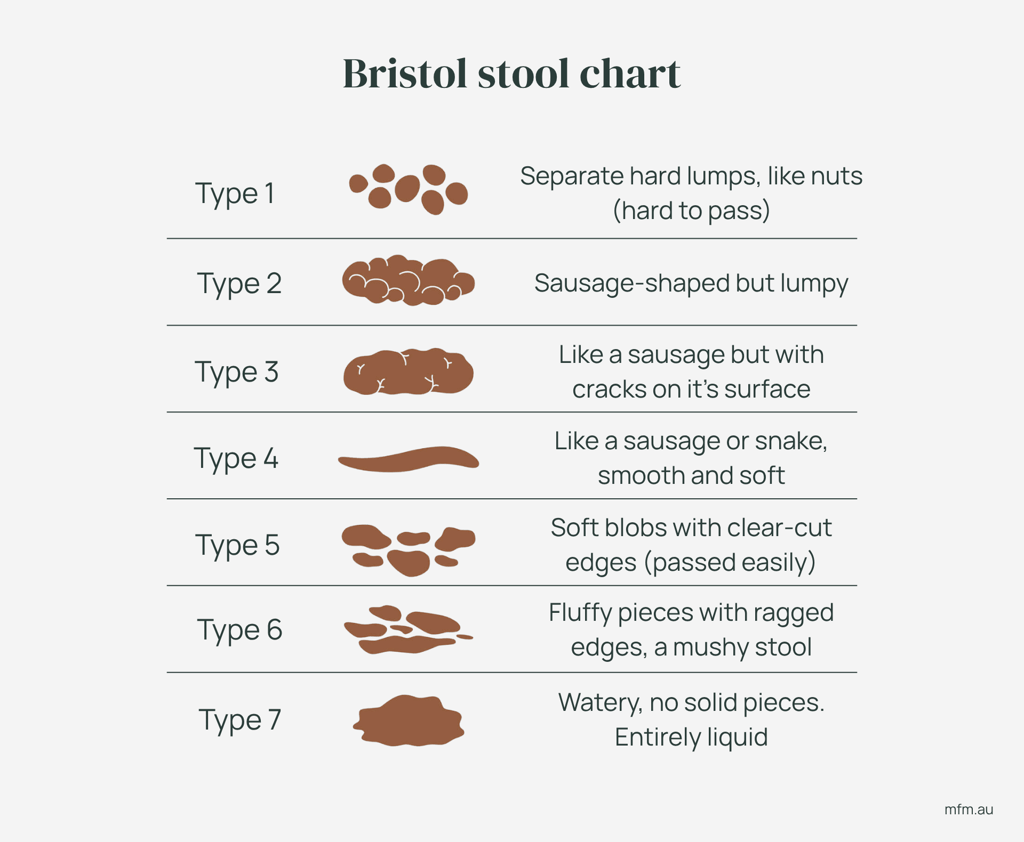
These are simple, subjective ways to check in with your gut health – and yes, it’s absolutely okay to talk about these things with your family, or even put that stool chart on the bathroom door!
Scientific signs of a healthy gut
Beyond the obvious, on a more scientific level, a healthy gut also means:
- A diverse, balanced microbiome
- A strong gut lining (aka intact gut barrier)
- Balanced immune responses in the gut wall
- Good enzyme and bile production
- Smooth, coordinated gut motility (movement of food through the digestive system)
These foundational elements are essential not just for digestion, but for whole-body wellbeing.
When things go wrong: signs and symptoms of gut dysfunction
Your gut is often one of the first places to show when something isn’t quite right. Some symptoms are obvious, like bloating or diarrhoea – others are more subtle or show up in unexpected ways throughout the body.
Digestive symptoms to look out for:
- Constipation or diarrhoea
- Undigested food in stool
- Steatorrhea (greasy or oily stools from poor fat digestion)
- Reflux/heartburn, bloating, or burping after meals
These symptoms often signal that digestion isn’t working as it should. They may suggest imbalances in stomach acid, enzyme function, bile flow, or microbial balance, or other factors, which we’ll explore further in the next section.
When gut issues go beyond the gut
Because your gut is so interconnected with other systems in the body, dysfunction doesn’t always show up as digestive discomfort. Here are some common areas affected:
Skin
Eczema, psoriasis, acne, and unexplained rashes may all be linked to poor gut health, food reactions, or microbiome imbalances.
Immune system
A compromised gut can lead to chronic inflammation, increased susceptibility to infections, or exaggerated immune responses – often manifesting as allergies, sensitivities, or frequent colds.
Mood & brain
Anxiety, depression, brain fog, and sleep disturbances often have a gut-related component. This is because of the gut-brain axis – a two-way communication pathway between your digestive system and your brain. The microbes in your gut produce neurotransmitters like serotonin and GABA (gamma-aminobutyric acid), influence inflammation, and send signals via the vagus nerve, all of which can affect mood, focus, and sleep quality.
Autoimmune symptoms
About 70–80% of your immune system is housed in the gut, which makes it a major player in immune regulation. When the gut lining becomes compromised (as in leaky gut), larger molecules like undigested food particles or toxins can cross into the bloodstream. This triggers the immune system to respond – and over time, that constant activation can contribute to immune dysregulation.
For some people, this chronic immune stimulation may play a role in the development or exacerbation of autoimmune conditions, where the body mistakenly attacks its own tissues.
Autoimmune conditions that may be linked to poor gut health include:
Supporting gut health can be an important part of managing autoimmune conditions, reducing flares, and calming systemic inflammation.
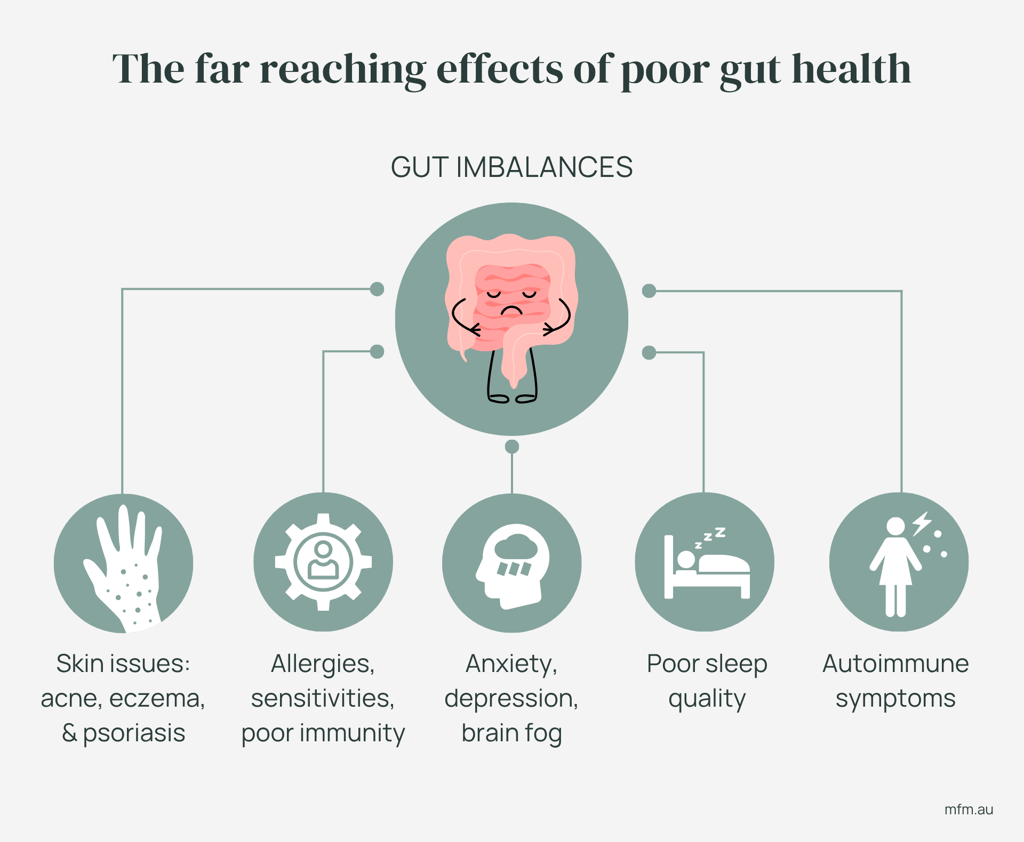
If you’re experiencing any of the symptoms listed above, whether they’re clearly digestive or seemingly unrelated, your gut could be at the root. In the next section, we’ll explore the underlying causes of gut dysfunction, from diet and medications to infections, stress, and more.
What causes gut issues? Common triggers explained
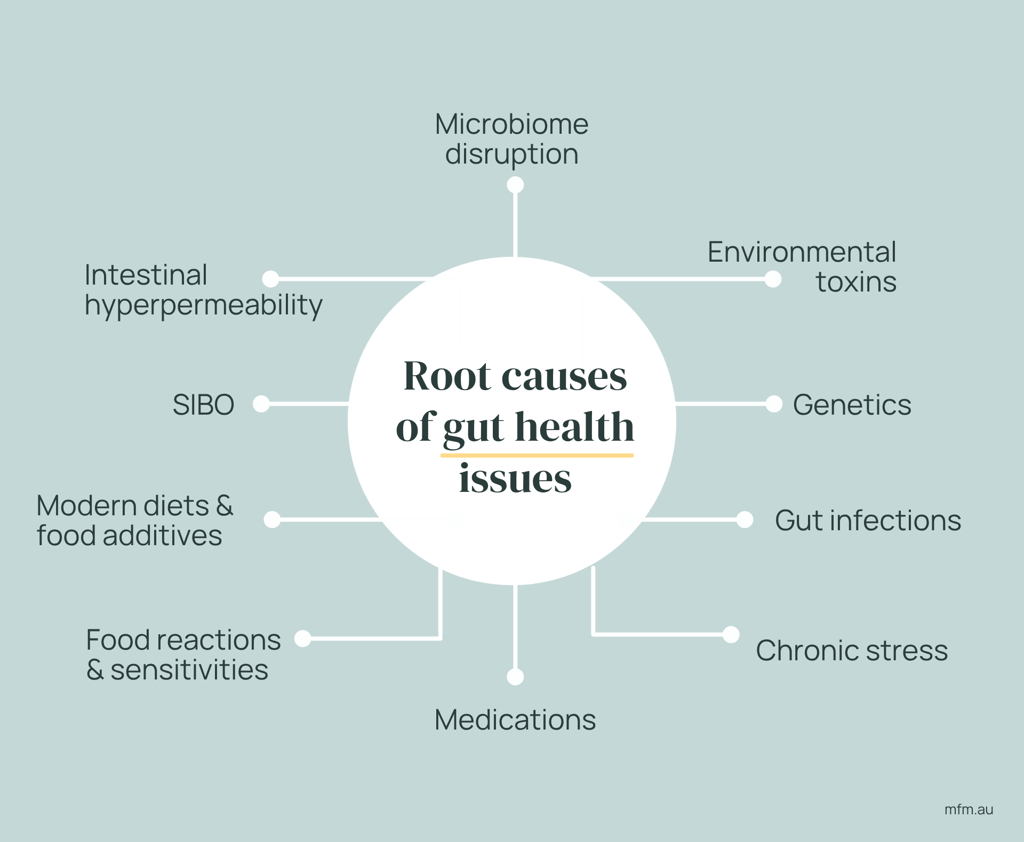
Gut dysfunction rarely happens in isolation – it’s usually the result of a combination of factors that stress or damage the digestive system over time.
These underlying causes can include microbial imbalances, immune system dysregulation, nutrient deficiencies, and external influences like medications, toxins, or chronic stress.
Here’s a closer look at the most common root causes of gut issues we see.
1. Modern diets and food additives
Our diets today often include more processed food, sugar, and additives, and less fibre, fruits, vegetables, and healthy fats. Processed foods can starve your beneficial microbes, feed harmful strains, and impair the gut lining.
Certain additives like polysorbate 80, carboxymethylcellulose, and carrageenan have been shown to reduce microbial diversity, damage gut barrier function, and promote inflammation.
These are found in foods like:
- Baked goods and chewing gum
- Deli meats, cottage cheese, dill pickles
- Nut and soy milks
- Infant formula
- Ice cream, frozen desserts, gelatin desserts, imitation cream
- Pudding and pudding mixes, shortening
- Salad dressings
- Protein shakes and powders, and frozen meals (e.g. burritos, pizza)
- Yoghurt
Over time, a low-fibre, highly processed diet can alter the gut environment in ways that increase the risk of leaky gut, inflammation, and microbial imbalance.
2. Medication use (especially long-term)
Some medications can significantly affect gut function, even when prescribed appropriately.
Antibiotics, while lifesaving, can significantly alter your gut bacteria – especially if used often or without need.
Non-steroidal anti-inflammatories (NSAIDs), like ibuprofen and aspirin, can harm the gut lining and increase intestinal permeability.
Proton Pump Inhibitors (PPIs) reduce stomach acid, which may help with reflux in the short term, but can impair digestion and nutrient absorption if used long-term.
The consequences of poor quality stomach acid are huge, and affect the entire length of the gut, leading to:
- Poor food breakdown and nutrient absorption
- Overgrowth of unwanted bacteria
- An increased burden on the pancreas, liver, and gallbladder
- Fatigue, gas, and bloating
3. Environmental toxins
Even the healthiest-looking foods can carry hidden risks if they’re grown in poor conditions. Contaminated soil, chemical sprays, and farming practices all play a role in what ends up on your plate, and eventually, in your gut.
One of the biggest concerns? Glyphosate – the active ingredient in many common herbicides like Roundup. While it’s used to control weeds in large-scale farming, research suggests that glyphosate may disrupt gut bacteria, damage the gut lining, and interfere with important enzymes involved in detoxification.
Inorganic heavy metals, as well as pesticides and other environmental toxins, sometimes called persistent organic pollutants (POPs), can accumulate in the body over time. These compounds don’t just affect our digestion; they also impact our immune system, liver function, and even our hormones.
Plus, these chemicals don’t stay neatly contained. They leach into water systems, affect pollinators, and degrade soil health, creating a ripple effect through our food system and the natural world.
4. Leaky gut (intestinal hyperpermeability)
“Leaky gut” is a lay term for increased intestinal permeability, AKA intestinal hyperpermeability. When the gut lining becomes compromised, it allows larger food particles, toxins, and microbes to pass into the bloodstream, triggering immune responses.
Contributing factors include:
- Low stomach acid
- Food sensitivities/allergies
- SIBO (Small Intestinal Bacterial Overgrowth)
- Alcohol, stress and certain medications
Left unaddressed, leaky gut can fuel symptoms far beyond the digestive system – from skin flares and joint pain to fatigue and autoimmunity – making it a key focus in restoring long-term health.
5. Food reactions and sensitivities
When the gut lining becomes irritated or overly permeable (as in leaky gut), your immune system may start reacting to certain foods, even ones that seem healthy. These reactions are often delayed and harder to pinpoint than classic food allergies.
Common signs of food reactions include:
- Bloating, cramping, or nausea after eating
- Brain fog or fatigue
- Headaches or migraines
- Skin issues (rashes, acne, hives, eczema)
- Joint or muscle pain
- Mood changes like irritability or anxiety
- Nasal congestion or sinus pressure
There are two main types of immune-mediated food reactions:
- IgE-mediated allergies: immediate, and may be mild or potentially severe (e.g. anaphylaxis)
- IgG-mediated sensitivities: delayed, often contributing to chronic inflammation, and are often associated with systemic symptoms, including skin flares
Both types of reactions can be identified through IgG and IgE food reactivity testing – a valuable tool we use in clinic to uncover hidden triggers that may be contributing to inflammation, digestive discomfort, or systemic symptoms. Pinpointing these reactions helps create a more targeted and effective nutrition plan, rather than relying on guesswork or unnecessary food restrictions.
You can also react to FODMAPs or histamine-rich foods, which aren’t immune reactions but can still trigger symptoms in a sensitive gut.
The good news is that many food reactions improve when underlying gut imbalances are addressed – which is why a root-cause approach is so important.
6. SIBO
SIBO happens when bacteria from the large intestine migrate to the small intestine, often due to a faulty ileocecal valve or reduced gut motility. Symptoms can include:
- Bloating shortly after eating
- Persistent fullness
- Fast transit and irregular bowels
- Histamine-related reactions like skin rashes, migraines, and amplification of pain.
Oftentimes, many cases of IBS are actually driven by undiagnosed SIBO.
7. Gut infections and microbial overgrowths
Chronic infections or microbial imbalances in the gut can cause significant disruption. These may involve the overgrowth of bacterial strains, yeasts, or the appearance of pathogenic protozoa, viruses, and harmful bacteria.
Common culprits include:
- Giardia lamblia
- Blastocystis hominis
- Candida albicans (yeast overgrowth)
- Campylobacter
- Clostridium difficile
- Helicobacter pylori
Some of these microbes are naturally present in small amounts – others shouldn’t be there at all. When they become dominant or invasive, they can interfere with nutrient absorption, trigger inflammation, and impact systems well beyond the gut.
Symptoms can vary depending on the organism, but may include:
- Bloating, abdominal discomfort or cramping
- Diarrhoea, constipation, or greasy/foul-smelling stools
- Nausea, reflux, or vomiting
- Fatigue, general weakness, or malaise
- Iron-deficiency anaemia
- Weight loss or altered appetite
- Itchy rectum or vagina
- Skin issues like rashes or itching
- Sleep disturbances
- Headaches or mood changes (such as anxiety or irritability)
- Musculoskeletal pain or joint discomfort
- Low-grade fever or persistent immune activation
While some people experience sudden, intense symptoms, others may have low-grade, chronic infections that quietly drain their energy and resilience over time.
8. Microbiome disruption
The large intestine houses trillions of microbes that regulate digestion, immunity, and even mood. When this ecosystem loses balance, a state called dysbiosis, it can lead to gas, bloating, food intolerances, skin conditions, and more.
Causes of dysbiosis may include:
- Antibiotic overuse
- Low-fibre diets
- Stress and poor sleep
- Excess sugar or processed foods
- Alcohol
You may see a drop in protective strains like Akkermansia or Faecalibacterium, and an overgrowth of harmful yeasts or bacteria. Restoring diversity and balance in the microbiome is a key part of healing the gut.
9. Genetic factors
While diet and lifestyle play a major role in gut health, your genes also influence how your body processes food, regulates microbes, and responds to environmental inputs.
One example is FUT2 non-secretor status, which affects whether you secrete certain sugars into your gut lining. These sugars feed beneficial bacteria – so if you’re a non-secretor, your microbiome may be more vulnerable to imbalance. Being a non-secretor doesn’t mean you’re doomed – it just means you may need more targeted support, like specific prebiotics or tailored probiotics, to help maintain a strong microbiome.
Genetic variations may also affect:
- How well you break down gluten, lactose, or histamine
- How efficiently you detox environmental toxins
- Your risk for conditions like IBS, eczema, or coeliac disease
Genetic testing isn’t always essential, but for persistent or complex cases, it can offer helpful insights for personalising care.
10. Chronic stress and nervous system dysregulation
We often think of stress as mental or emotional. The racing thoughts, the tension in your shoulders, the endless to-do list. But your gut feels stress, too. In fact, it’s one of the first places it shows up.
In today’s world, chronic stress isn’t about dramatic life events. It’s the low-grade, ongoing pressure we barely notice anymore:
- Constant notifications, emails, and deadlines
- Skipping meals or eating on the run
- Sleeping poorly, staying up late, and waking up wired
- Never really switching off – always doing, thinking, or scrolling
This kind of chronic stress keeps your body in a prolonged state of alert, activating the sympathetic nervous system – your “fight or flight” mode.
And when that system is dominant, digestion takes a back seat. This can lead to:
- Sluggish digestion – food hangs around too long (or not long enough)
- Reduced stomach acid and enzymes, leading to poor nutrient breakdown
- Increased intestinal permeability – your gut lining becomes more porous (AKA leaky gut)
- Changes to the microbiome – often reducing beneficial bacteria, while opportunistic microbes may thrive
- Heightened gut sensitivity – even “healthy” meals may leave you feeling bloated, gassy, or uncomfortable
Stress impacts your gut’s own nervous system – the enteric nervous system – sometimes called the second brain. It has around 500 million neurons, and it’s in constant communication with your brain via the vagus nerve. When functioning well, the vagus nerve supports:
- Peristalsis (the muscle contractions that move food along your digestive tract)
- Enzyme and stomach acid production
- Gut barrier integrity and immune surveillance
- Inflammation regulation
But when stress is chronic, vagal tone drops, and the enteric nervous system starts to falter. The result? IBS-like symptoms, frequent food reactions, and that nagging sense your digestion just isn’t right – even when you’re eating all the “right” things.
Now that we’ve explored the many possible causes of gut dysfunction, the next step is understanding how to identify and address them effectively.
This is where a functional medicine approach comes in – helping you move beyond symptom management to uncover and treat the root causes.
A functional medicine approach to gut health
If you’ve been struggling with gut symptoms, whether it’s bloating, fatigue, food reactions, or unpredictable digestion, it can feel frustrating when answers are hard to come by.
In functional medicine, we don’t stop at symptom labels – we ask why.
- Why is your gut behaving this way?
- What systems are under strain?
- What’s really driving the inflammation or imbalance?
- What patterns in your health history point us toward the root cause?
By looking at the body as an interconnected system and considering factors like nutrition, lifestyle, stress, and microbiome balance, we can build a personalised plan to support healing at the foundation – not just manage surface-level symptoms.
Rather than guessing, we use a combination of a detailed health history, functional testing, and targeted strategies to uncover what’s going on beneath the surface and resolve gut issues for good. This approach allows us to treat the root cause – not just mask the symptoms.
Let’s explore how that works, starting with testing.
Functional testing: finding the root cause
Once we’ve taken a detailed health history and identified patterns in your symptoms, the next step is often targeted functional testing. This gives us clarity on what’s happening inside your digestive system – so we can treat with precision, not guesswork.
Here are some of the core tests we use in clinic to uncover what’s really going on:
Comprehensive stool analysis
These gold-standard stool tests go far beyond a basic pathology lab test. Metagenomic sequencing is considered the gold standard for gut microbiome testing because it maps the entire genetic profile of all microbes in the gut – offering unparalleled insight into species-level diversity, abundance, and function.
These tests evaluate:
- Microbiome balance: Are the major beneficial bacterial phylla balanced and thriving (like Akkermansia or Faecalibacterium)? Are opportunistic or pathogenic species (like Klebsiella, Enterococcus, Candida) overgrowing?
- Parasites and yeasts: Including Blastocystis hominis, Giardia, and Candida albicans
- Markers of inflammation: Like calprotectin and secretory IgA
- Digestive efficiency: Pancreatic enzymes, bile acids, and fat absorption
- Gut lining integrity: Zonulin (a marker of intestinal permeability)
- Detox and microbial metabolism: Including beta-glucuronidase and short-chain fatty acids (SCFAs)
SIBO breath testing
If you experience bloating soon after eating, erratic bowel habits, or feel foggy and heavy after meals, SIBO could be a root cause.
The non-invasive SIBO test measures hydrogen and methane gas production after consuming a sugar solution (usually lactulose or glucose). Elevated gas levels suggest that bacteria are fermenting carbohydrates in the small intestine where they shouldn’t be.
Food sensitivity panels (IgG and/or IgE)
These panels help identify delayed or hidden immune responses to foods – the kind that don’t cause immediate reactions but instead contribute to low-grade inflammation, skin issues, joint pain, or fatigue hours or even days later. This is especially helpful for people who:
- Experience cyclical or unexplained symptoms (migraines, skin flares, joint pain)
- React to healthy foods like eggs, avocado, or bananas
- Suspect food is playing a role but can’t identify which ones
Genetic testing (e.g., FUT2, MTHFR, DAO)
Your genes don’t determine your fate, but they give us helpful insights into how your body handles detoxification, histamine clearance, microbial diversity, and immune reactivity.
Some examples are:
- FUT2 non-secretors may have a lower abundance of Bifidobacteria and a higher susceptibility to gut infections and skin conditions
- DAO or HNMT SNPs may impact histamine breakdown and contribute to histamine intolerance or SIBO-like symptoms
- MTHFR or GST variants may affect detoxification pathways and contribute to sensitivity to environmental toxins
Lactulose–Mannitol intestinal permeability test
If leaky gut is suspected, this test provides objective data on how well your gut barrier is functioning.
You drink a solution with two types of sugar molecules: mannitol (small) and lactulose (large). The amount excreted in your urine helps determine how ‘leaky’ your gut lining may be – offering clear insight into barrier integrity.
This test is especially valuable if you:
- Suspect leaky gut is contributing to systemic inflammation, autoimmunity, or skin issues
- React to many foods or supplements
- Have a history of chronic stress, alcohol overuse, NSAID use, or gut infections
- Have a history of atopy (asthma, eczema, hayfever) or autoimmunity (Crohn’s, lupus, psoriasis, Hashimoto’s, RA)
Why testing matters
Functional testing gives us more than just information – it gives direction. It allows us to:
- Pinpoint root causes with confidence
- Personalise treatment strategies with precision
- Track measurable changes over time
- Save time, energy, and frustration by skipping trial-and-error
Not everyone needs every test, but for those who feel like they’ve “tried everything” and are still stuck, the right test can be the breakthrough that shifts everything.
Personalised interventions: treating the root cause of gut health issues
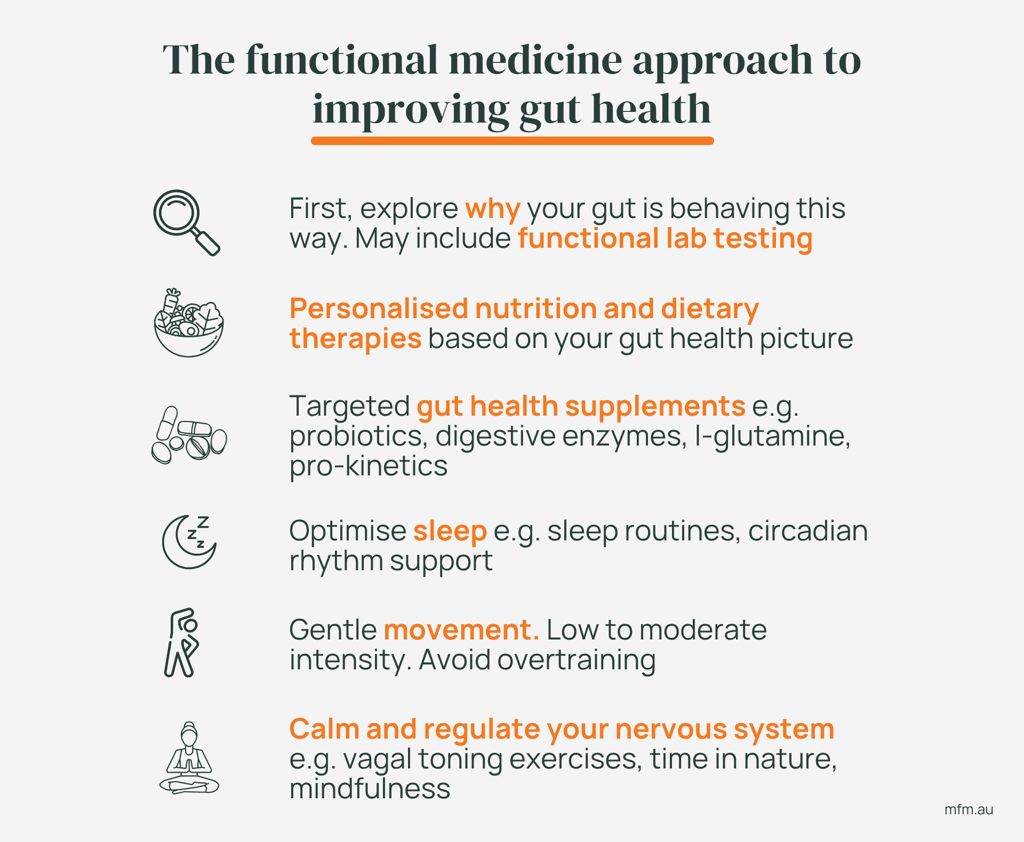
Once we’ve uncovered what’s driving your gut symptoms – whether it’s SIBO, food sensitivities, microbial imbalances, or leaky gut – we create a targeted plan to support healing at the root. There’s no one-size-fits-all approach in functional medicine. Every strategy is personalised based on your test results, symptoms, and health goals.
Here are some of the interventions we may use:
1. Personalised nutrition and dietary therapies
Food is foundational to gut healing – but the right diet for you depends on what’s going on in your system. Based on your unique presentation and test results, we may recommend:
SIBO diet
If SIBO is confirmed, a low-fermentation diet can reduce symptoms while we work on clearing the overgrowth. We may use a phased approach (such as the SIBO Bi-Phasic Diet), paired with antimicrobial or prokinetic treatments, followed by a microbiome-rebuilding phase.
Tailored elimination diet
If food sensitivity testing or symptoms suggest reactivity to specific foods, or if there are signs of increased intestinal permeability, some foods may be temporarily removed to reduce immune activation and support barrier repair. This approach is common in autoimmune conditions and eczema.
Low histamine or low oxalate diet
If patients experience histamine intolerance or oxalate sensitivity (suggested by symptoms or functional markers), these specialised diets can help reduce flares while underlying causes like dysbiosis, SIBO, or impaired detoxification are addressed.
Autoimmune protocol (AIP)
For those with autoimmune symptoms, the AIP diet removes common triggers like grains, legumes, dairy, nightshades, and food additives. It’s implemented in phases – elimination, maintenance, and reintroduction – to support gut healing and reduce flares.
Anti-Inflammatory diet
This foundational approach removes ultra-processed foods, refined sugars, and industrial seed oils. It focuses on fibre-rich veggies, healthy fats, oily fish, and antioxidant-rich foods like turmeric and berries – helping to reduce inflammation and restore gut balance.
Elemental diet
In more severe cases of SIBO or IBD, an elemental or semi-elemental liquid formula may be used for a short period. This approach provides nutrition in pre-digested form, allowing the gut to rest and reducing fermentation-driven symptoms.
These diets are often adapted or blended to suit your specific needs, health history, and sensitivities – creating a plan that’s both effective and sustainable for you.
2. Targeted gut health supplements
Based on your root cause and test results, we may include supplements that support gut health, such as:
- Probiotics: To support microbial balance (strain-specific to your needs)
- Digestive enzymes: To assist in breaking down food and reducing post-meal symptoms
- L-glutamine: To support gut lining repair
- Zinc carnosine: For healing of the intestinal mucosal lining
- Herbal antimicrobials: When needed to reduce bacterial or fungal overgrowths
- Prokinetics: To support motility if sluggish digestion or SIBO relapse is a concern
Supplements are always tailored – not every patient needs them, and they should always be prescribed based on your unique profile.
3. Lifestyle medicine: supporting whole-body healing
Healing the gut isn’t just about what you eat. Your nervous system, sleep, stress, and movement patterns all influence digestive health. We’ll also support:
Nervous system regulation
As discussed earlier, the gut–brain axis is a two-way communication system involving the central nervous system, enteric nervous system, and vagus nerve. Chronic stress can impair vagal tone, increase intestinal permeability, reduce digestive secretions, and disrupt microbial balance. That’s why supporting nervous system regulation is foundational in gut healing.
We’ll help you integrate evidence-based tools that support parasympathetic activation and vagal tone, such as:
- Breathwork and vagal toning exercises (e.g. slow diaphragmatic breathing, humming, or cold exposure) to stimulate vagus nerve activity
- Time in nature, which has been shown to reduce cortisol, improve heart rate variability, and promote autonomic balance
- Mindfulness practices or daily downshifting rituals that help transition the body into a “rest and digest” state, supporting digestive motility and mucosal integrity
Sleep optimisation
Sleep plays a critical role in immune regulation, gut barrier repair, and microbiome stability. Disrupted or inadequate sleep has been linked to increased gut permeability, systemic inflammation, and reduced microbial diversity.
Our approach includes strategies to optimise sleep quality and support circadian rhythms through:
- Sleep hygiene routines (e.g. limiting screen time, creating wind-down rituals, maintaining consistent sleep and wake times)
- Timing of meals and fasting windows to align digestion with circadian cues and minimise overnight GI stress
- Supporting melatonin production and circadian rhythm regulation through morning light exposure, nutritional cofactors (e.g. magnesium, B6), and, where appropriate, supplementation
Movement & gentle exercise
Movement is not just good for the muscles; it’s good for your microbiome, immune system, and motility. Regular physical activity helps reduce gut transit time, support microbial diversity, and lower systemic inflammation.
Our goal is to support you in finding a movement routine that promotes health without adding stress to the system. This might include:
- Low-to-moderate intensity activities such as walking, swimming, Pilates, or yoga
- Avoiding overtraining, which can increase cortisol and gut permeability in vulnerable individuals
- Daily movement integration that aligns with your energy levels, lifestyle, and recovery capacity
With so many interconnected factors at play, it’s reassuring to know there are equally diverse tools available to help restore balance – from nutrition and targeted supplements to lifestyle shifts and nervous system support. While every plan is personalised, there are foundational habits that benefit almost everyone when it comes to gut health.
Here are 10 powerful practices you can start with today.
How to improve gut health: Our top 10 ways
Whether you’re at the start of your gut healing journey or building on the foundations, these strategies are a great place to begin. While not a replacement for personalised care, they form a strong foundation for restoring digestive health, reducing inflammation, and supporting the gut–body connection.
1. Prioritise whole, fibre-rich, gut-supporting foods
A diverse, plant-rich diet fuels your beneficial gut microbes and supports regular bowel movements that are essential for healthy gut function. Aim for 30+ different plant foods per week, including vegetables, fruits, legumes, whole grains, nuts, seeds, herbs, and spices.
However, fibre isn’t one-size-fits-all. In conditions like SIBO, IBD, or post-infectious IBS, high-fibre foods may trigger symptoms due to fermentation or increased gut sensitivity. A personalised approach – starting low and building up, or using low-fermentable fibres initially – is often key to success.
2. Include fermented foods (if tolerated)
Fermented foods such as sauerkraut, kimchi, kefir, plain yoghurt (dairy or non-dairy), and fermented vegetables can transiently introduce beneficial bacteria and postbiotics that support microbiome resilience.
That said, not everyone benefits from fermented foods. In cases of histamine intolerance, SIBO, or active inflammation, these foods may aggravate symptoms. Start with small amounts, notice your body’s response, and don’t push through discomfort – there are other ways to support your gut.
3. Stay well-hydrated – your gut lining depends on it
Water is essential for digestion, motility, enzyme activity, and maintaining the protective mucosal lining of your intestines. Inadequate hydration can lead to constipation, sluggish digestion, and reduced nutrient absorption.
Aim for around 30–35 mL per kilogram of body weight per day (e.g. ~2.1–2.4L for a 70kg person), adjusting based on climate, exercise, and individual needs. Sip water throughout the day rather than chugging large amounts at once, and try not to overdrink during meals, which may dilute stomach acid.
4. Chew thoroughly and eat mindfully
Digestion starts in the mouth. Chewing properly signals your stomach, pancreas, and gallbladder to release the enzymes and bile needed for effective digestion and nutrient absorption.
Aim for 20–30 chews per mouthful, especially with fibrous or protein-rich meals. This gives your digestive system a head start – and can reduce the burden on your gut further down the line.
Bring your nervous system into “rest and digest” mode by eating in a calm environment. Avoid multitasking, eat away from screens, and take a few deep breaths before your first bite. Mindful eating may sound simple, but it’s one of the most underrated practices for reducing indigestion, bloating, and post-meal fatigue.
To further support digestion, try:
- Digestive bitters or 1–2 tsp of apple cider vinegar in water about 15 minutes before eating
- Engaging your senses – smell, texture, flavour – to slow down and signal the gut to prepare
- Light vagus nerve stimulation (like humming, slow exhales, or gentle gargling) before meals
Even small rituals like these can make a meaningful difference – especially if you struggle with bloating, reflux, or sluggish digestion.
5. Avoid excessive processed foods and additives
Processed foods often contain additives like emulsifiers, artificial sweeteners, preservatives, and flavour enhancers that can disturb gut function and the microbiome. Frequent intake has been linked with increased gut permeability and inflammation.
Focus on nutrient-dense, whole foods as your foundation – ideally cooked at home where possible. This doesn’t mean you need to be perfect or never eat convenience foods. The key is reducing the frequency and making more informed choices when you can.
6. Incorporate gentle, regular movement
Exercise helps stimulate peristalsis (the wave-like muscle contractions that move food through the gut), enhances microbial diversity, and reduces stress-induced gut symptoms.
Opt for moderate, sustainable movement most days of the week:
- Walking (especially post-meal walks)
- Yoga or Pilates
- Swimming, cycling, or dancing
Avoid overtraining, particularly if you’re already in a depleted or inflamed state – too much high-intensity activity can raise cortisol and worsen symptoms in sensitive guts.
7. Prioritise sleep – when your gut does its deepest healing
Poor sleep doesn’t just leave you tired – it disrupts digestion, reduces microbial diversity, increases gut permeability, and worsens inflammation. During sleep, the gut lining regenerates, immune responses are recalibrated, and the nervous system shifts into a restorative state.
Support your gut by supporting your sleep:
- Stick to consistent sleep and wake times (even on weekends)
- Avoid screens 1–2 hours before bed
- Eat your last meal at least 2–3 hours before sleeping
- Consider supporting melatonin naturally with morning sunlight and evening darkness
Even small sleep improvements can have outsized benefits for your gut health.
8. Support your nervous system and the gut–brain axis
As explored earlier, the gut and brain are deeply interconnected. Chronic stress can disrupt digestion, reduce enzyme and acid production, impair gut barrier integrity, and alter the microbiome.
Use daily tools to support vagal tone and return to a parasympathetic “rest and digest” state:
- Breathwork (e.g., slow exhale-focused breathing)
- Vagal toning exercises (like humming or gargling)
- Mindfulness or meditation practices
- Nature exposure and screen-free downtime
- Consistent routines and stress buffering rituals
Nervous system regulation is one of the most under-recognised keys to lasting gut recovery.
9. Identify and address food sensitivities
Food sensitivities can quietly drive gut inflammation, contribute to symptoms like bloating, fatigue, skin flares, and brain fog, and worsen intestinal permeability over time. Unlike food allergies, sensitivities (often IgG-mediated) can cause delayed reactions, making them harder to detect without testing or a guided elimination process.
To reduce the impact of sensitivities:
- Keep a food and symptom diary
- Consider IgG and/or IgE testing to identify hidden triggers
- Trial a short-term elimination protocol with reintroductions
- Work on gut healing to improve tolerance over time
Most importantly, food sensitivity protocols should be temporary and targeted – the goal is to expand your diet, not restrict it long-term.
10. Use supplements strategically – not forever
Supplements can play a powerful role in gut repair – but they’re most effective when targeted to your unique needs.
Common gut-supportive supplements include:
- Probiotics and prebiotics
- Digestive enzymes and stomach acid support
- L-glutamine for gut lining repair
- Zinc, vitamin A, and D for immune and mucosal health
- Antimicrobials or binders (if addressing overgrowths or infections)
Work with a practitioner to identify what’s needed, for how long, and when to retest or wean off. A supplement strategy should be purposeful, not permanent.
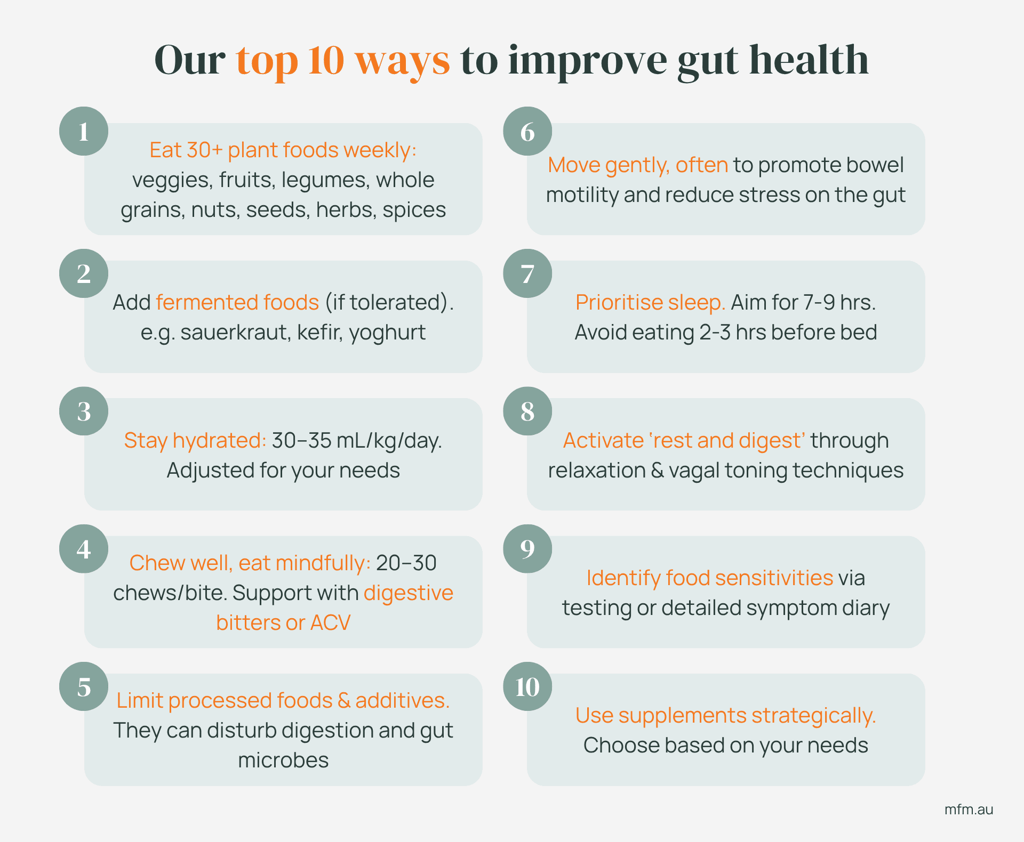
While there’s no one-size-fits-all path to gut health, these 10 evidence-backed habits lay a powerful foundation.
They don’t just support digestion – they also help build energy, mental clarity, immune resilience, and long-term wellbeing from the inside out.
How to build a long-term gut health plan
Gut healing isn’t a quick fix – it’s a process. And like any lasting transformation, it requires consistency, personalisation, and the right kind of support.
A long-term gut health plan takes what we’ve explored so far – the symptoms, the root causes, the testing insights, and the strategies – and brings them together into a practical, sustainable roadmap tailored to you.
Here’s what that can look like:
- Start with clarity. Use detailed health history, symptom tracking, and (where helpful) functional testing to understand what’s really going on.
- Prioritise your biggest levers. Focus first on the areas that are causing the most disruption – whether that’s a chronic infection, a major food trigger, or nervous system dysregulation.
- Keep it sustainable. We’re not about perfection – we’re about progress. Your plan should work with your life, not against it.
- Adapt as you go. Your needs will shift over time. We build in regular checkpoints to assess what’s working, what’s not, and where to tweak for better results.
- Work with a practitioner who sees the big picture. This journey is easier and more effective when you have someone in your corner who knows how to interpret the data, track patterns, and adjust your protocol as your health improves.
Gut health is foundational, but it doesn’t exist in isolation. That’s why a long-term plan looks beyond digestion – and towards energy, resilience, mood, immunity, and quality of life.
Taking control of your gut health
Your gut health shapes so much more than digestion. From your mood and energy to your skin, immunity, and long-term vitality – it’s one of the most powerful levers you have to improve how you feel, think, and function day to day.
If you’ve been living with gut symptoms or feel like your body’s sending signals that something’s out of balance, know this: you’re not stuck. And you’re not alone.
By taking a functional medicine approach – one that explores root causes, honours your individuality, and uses data to guide decisions – you can uncover what’s really going on and finally move forward with clarity.
Whether you’re just starting to notice signs of dysfunction or you’ve been navigating symptoms for years, change is possible. Small, targeted shifts can lead to big improvements in how your body performs and how you feel in yourself.
If your gut symptoms are holding you back, our team is here to help you uncover the root cause and start healing. Learn more about how we treat gut health issues using advanced testing, targeted therapies, and a personalised plan that actually works.