
What is IBD?
Inflammatory bowel disease (IBD) is a chronic inflammatory disease of the gastrointestinal tract, involving an immune response that repeatedly attacks the lining of the digestive tract, producing inflammation that damages gut tissue and affects normal digestive function. It occurs in genetically susceptible people after an exaggerated immune response to a normal stimulus, such as food and gut bacteria. The two most common forms are Crohn’s disease, which can affect any part of the gastrointestinal tract, and ulcerative colitis, which is confined to the colon and rectum.
Ulcerative colitis affects only the mucosa and submucosa, while Crohn’s extends through all layers of the gut wall, which influences which symptoms are experienced and how the condition responds to treatment.
Both conditions can follow a relapsing and remitting pattern. Symptoms may be severe during a flare and significantly reduced during periods of remission.
Symptoms of IBD
The most common symptoms of IBD are abdominal pain, frequent or urgent diarrhoea, and blood or mucus in the stool
Crohn’s disease and ulcerative colitis share many symptoms but differ in where they occur and how they feel.
Ulcerative colitis
Ulcerative colitis tends to produce continuous inflammation along the colon lining, which affects how the colon absorbs water and responds to irritation. Symptoms include:
- lower abdominal cramping, often relieved by passing a bowel motion
- diarrhoea with blood or stringy mucus
- urgency to use the toilet, sometimes alongside an inability to fully empty the bowel
- weight loss from reduced appetite
- fatigue and low-grade fever during active disease
Crohn’s disease
Crohn’s disease tends to present as inflamed patches between healthy sections of intestine, with periods of active symptoms and intervals of relative quiet. Symptoms can include:
- right lower abdominal pain, sometimes with a palpable mass
- bloody diarrhoea and mucus in the stool
- fever and noticeable weight loss during active flares
- constipation, particularly when strictures develop and narrow the intestinal passage
- more severe complications including intestinal obstruction, fistulae, and abscesses
Fatigue is one of the most ongoing and underappreciated symptoms of IBD. Unlike pain or diarrhoea, it doesn’t always coincide with flare activity. Many people experience considerable tiredness even during remission, when inflammation appears controlled. This can be partly due to nutrient malabsorption, poor sleep, and the cumulative toll that managing a chronic condition places on the body.
IBD complications outside the gut
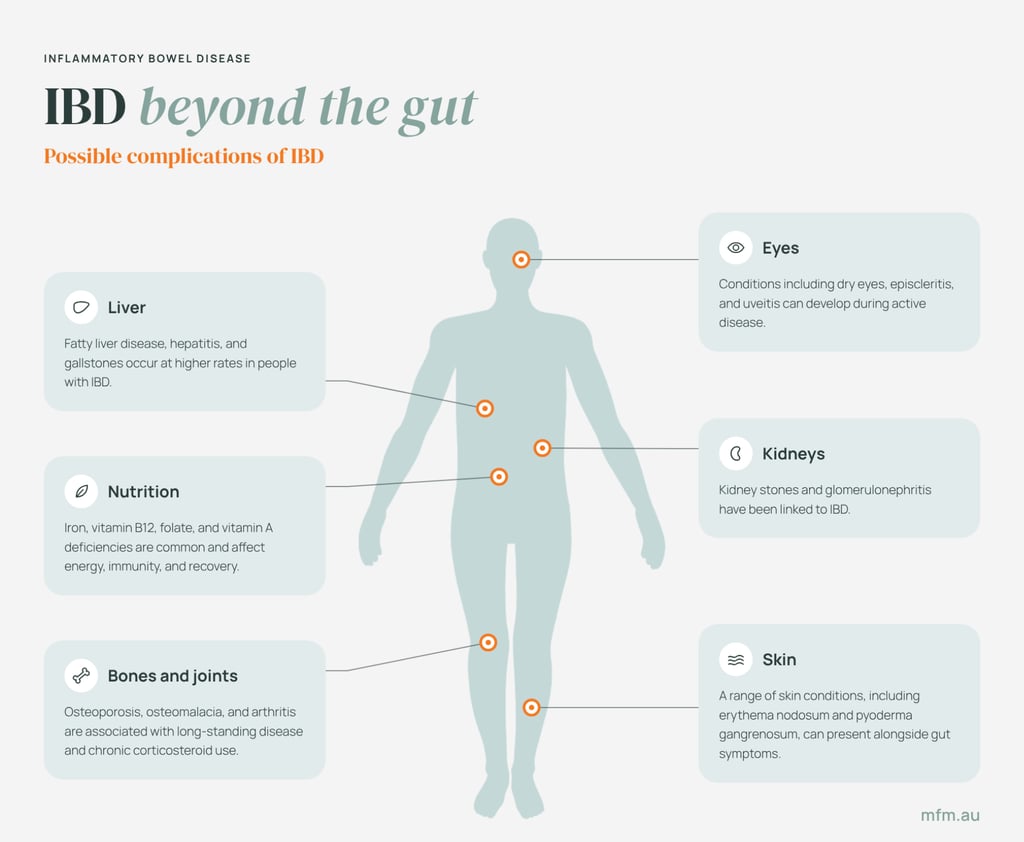
IBD can cause complications well outside the digestive tract, including in the joints, eyes, skin, liver, and kidneys. Ongoing immune activation and poor nutrient absorption can affect multiple organ systems:
- bones and joints: osteoporosis, osteomalacia, and arthritis are associated with long-standing disease and chronic corticosteroid use
- eyes: conditions including dry eyes, episcleritis, and uveitis can develop during active disease
- kidneys: kidney stones and glomerulonephritis have been linked to IBD
- liver: fatty liver disease, hepatitis, and gallstones occur at higher rates in people with IBD
- skin: a range of skin conditions, including erythema nodosum and pyoderma gangrenosum, can present alongside gut symptoms
- nutrition: iron, vitamin B12, folate, and vitamin A deficiencies are common and affect energy, immunity, and recovery
What causes IBD?
IBD most commonly develops when a genetically primed immune system begins attacking the gut lining in response to the bacteria and signals it finds there, triggering inflammation it cannot resolve on its own.
No single cause has been identified. A combination of conditions allows IBD to develop, and two people with similar exposures can have very different outcomes.
Genetic susceptibility
Having a close family member with IBD raises personal risk considerably, and the likelihood of both being affected is higher in identical twins than non-identical twins.
Gut microbiome
The gut microbiome is markedly different in people with IBD. Microbial diversity tends to be reduced, and key species are depleted, leaving the immune system in a state of ongoing activation. Bacteria and yeast can also colonise the deep ulcers and pockets that form in the gut wall, potentially worsening inflammation in already damaged tissue.
SIBO and parasitic infection
Small intestinal bacterial overgrowth and parasitic infestations can also develop alongside IBD, further aggravating gut inflammation and contributing to ongoing symptoms. This is why SIBO breath testing is included as part of a comprehensive IBD assessment.
Tight junction dysfunction
Sometimes called leaky gut, tight junction dysfunction allows microbial products and undigested particles to pass through the gut lining into surrounding tissue. This triggers the immune system and may intensify the autoimmune response already present in IBD. The immune response itself also appears to be skewed in IBD, with certain T helper cells, particularly Th17 cells, closely involved in Crohn’s disease.
Environmental triggers
Environmental triggers can initiate or worsen flares in susceptible people and include:
- smoking
- a diet high in processed foods, refined sugar, and inflammatory oils
- long-term use of NSAIDs, antibiotics, or proton pump inhibitors
- the oral contraceptive pill and postmenopausal hormone therapy
- high psychological stress
- not being breastfed during infancy
These triggers do not cause IBD on their own; rather, they interact with an immune system already prone to overreacting.
How is IBD diagnosed and assessed?
IBD is diagnosed through a combination of clinical history, blood tests, stool markers, and imaging, with no single test able to confirm it alone.
A thorough case history is taken alongside testing. Understanding the timeline of symptoms, what makes them better or worse, how they have changed, what medications have been used, and what a person is eating day to day helps build a picture that test results cannot provide on their own.
Imaging
- Colonoscopy with biopsy for direct visualisation of the gut lining, confirming the pattern, depth, and extent of inflammation
- MRI or CT enterography where small intestine involvement needs to be assessed, most commonly in Crohn’s disease
Functional testing
- CRP and ESR to measure active inflammation
- full blood count for signs of anaemia and immune activity
- nutritional markers including iron, B12, folate, vitamin D, and zinc
faecal calprotectin to distinguish IBD from functional gut conditions and to track mucosal inflammation without invasive testing - comprehensive stool analysis to assess microbiome composition, pathogenic bacteria, yeast, and parasites, and to identify microbial patterns associated with active disease
- intestinal permeability markers, including zonulin, to assess the integrity of the gut lining
- SIBO breath testing, given the frequency of bacterial overgrowth as a contributing and aggravating condition
- food sensitivity testing
- organic acids testing for nutrient metabolism and mitochondrial function
- cortisol and stress hormone markers
Why IBD symptoms can continue after treatment
IBD symptoms are often ongoing because conventional treatments reduce the immune response without addressing the gut environment that keeps triggering it.
Conventional treatments include:
- corticosteroids such as prednisolone
- aminosalicylates such as mesalazine
- immunosuppressants such as azathioprine and methotrexate
- biologics such as adalimumab and infliximab
- antibiotics such as metronidazole and ciprofloxacin
Corticosteroids reduce inflammation by broadly suppressing immune activity and are often the first response to an acute flare. They can bring symptoms under control relatively quickly, but they do not address the microbiome, the gut lining, or the conditions the immune system is responding to. When the course ends, the altered microbiome, gut lining damage, and environmental triggers that activated the immune response are still there.
Immunosuppressants work by dampening immune activity over a longer period, which can reduce how often flares occur. They are an important part of managing IBD for many people, but long-term use carries risks to liver, bone, and blood cell production. The underlying gut environment that allowed the immune response to activate remains largely unaddressed.
Biologics target specific inflammatory signals and can maintain remission for some people. When the inflammatory signal they block is the dominant one in that person’s disease, they can be effective. They do not repair the gut lining or alter microbiome composition, however, and response rates vary considerably.
Commonly used in ulcerative colitis, aminosalicylates reduce irritation along the gut lining and can help manage surface inflammation. They do not address microbiome imbalance, gut lining integrity, or the triggers that are activating the immune response.
Antibiotics are sometimes used to manage bacterial complications in IBD. The concern with repeated or long-term use is that they can further deplete microbial diversity, potentially worsening the gut environment that is already contributing to the problem.
Nutritional depletion can also perpetuate symptoms independently of active inflammation. Chronic diarrhoea, impaired absorption, and reduced appetite deplete iron, B12, folate, vitamin D, and zinc, all nutrients that the gut lining and immune system depend on to function well.
Treating IBD: a functional medicine approach
A functional medicine approach to IBD works alongside conventional care, focusing on the microbiome, gut lining, nutritional status, and the triggers that keep the immune system activated.
Rather than applying the same protocol to everyone with an IBD diagnosis, a functional medicine practitioner looks at what is happening in that particular person. This means taking a detailed case history and using functional testing to understand the specific picture before designing a treatment strategy. What is needed during an active flare differs from what is needed during remission, and treatment is adjusted as the clinical picture changes.
Depending on your presentation, care may include:
- Dietary change: Removing trigger foods such as processed foods, refined sugars, gluten, and dairy reduces the load on your gut lining, followed by a nutrient-dense, anti-inflammatory eating pattern rich in zinc, vitamin A, and omega-3 fatty acids to support healing
- Microbiome restoration: Targeted probiotic therapy, particularly Bifidobacterium species, alongside a more plant-diverse, fermented-food diet, can help restore microbial diversity and support gut healing
- Gut lining repair: Targeted nutrients and herbs, including zinc, glutamine, vitamin D, and Boswellia serrata, help strengthen your gut lining and reduce the immune activation that comes from a damaged barrier
- Herbal and nutritional medicine: Prescribed curcumin and saffron formulations may be used to help maintain remission and reduce recurrence of inflammation
- Nutritional repletion: Active IBD depletes nutrients such as iron, B12, folate, vitamin D, and zinc, so your levels are tested and corrected through targeted supplementation and regular retesting
- Nervous system regulation: Your vagus nerve sends signals that help calm immune activity in your gut. Stress and low vagal tone weaken these signals, which makes your immune system more prone to flaring up. Research has shown that vagus nerve stimulation can reduce inflammation and improve symptoms in active Crohn’s disease, so breathwork, movement, and stress-load strategies may be used to support remission
- CBD and medicinal cannabis: Where appropriate, medicinal cannabis may be explored for its anti-inflammatory properties, available in Australia only via prescription
We support people with IBD to move beyond short-term symptom control
We work with people at different stages of IBD, from new diagnoses to those still searching for answers after years of treatment.
When to seek support
See your GP or a practitioner if you have:
- ongoing abdominal pain that is not resolving
- blood or mucus in the stool
- unexplained weight loss
- diarrhoea that has continued for more than a few weeks
- fatigue that is not explained by other causes
Frequently asked questions
What is the difference between IBD and IBS?
IBD is an autoimmune condition that causes structural damage to the gut through chronic inflammation. IBS is a functional condition, meaning the gut is producing symptoms without visible inflammation or tissue injury. The two can coexist, but they require different approaches to investigation and care.
Does IBD increase the risk of bowel cancer?
IBD increases the risk of colorectal cancer, particularly for people with long-standing, extensive ulcerative colitis or Crohn’s affecting the colon, compared to the general population. The risk is related to the duration and extent of uncontrolled inflammation. Regular colonoscopic surveillance is recommended for this reason.
Does IBD ever require surgery?
Surgery is needed for some people with IBD, particularly when medication stops working, when complications such as strictures, fistulae, or abscesses develop, or when the risk of cancer is high. Rates vary: around one third of people with ulcerative colitis and up to three quarters of those with Crohn’s disease will need surgery at some point.
Does stress cause IBD flares?
Stress does not cause IBD, but it is a recognised trigger for flares in people who already have the condition. It activates stress pathways that raise cortisol, reduce gut barrier integrity, and alter immune signalling, all of which can push a person from remission into an active flare.
Is IBD hereditary?
IBD has a genetic component, and having a close relative with the condition increases personal risk significantly. Between five and 20 per cent of people with IBD have a first-degree relative with the condition, though genetics account for only part of the picture. Environmental exposures, gut microbiome composition, and immune development also interact with genetic susceptibility.
Can IBD affect fertility or pregnancy?
IBD does not usually prevent pregnancy, but active disease at the time of conception is associated with higher rates of complication. Planning a pregnancy during a period of remission reduces risk considerably. Most IBD medications are safe during pregnancy, though a small number are not, and this should be reviewed with your care team before conceiving.
Can diet alone manage IBD?
Diet plays a real part in IBD management but is unlikely to control active disease on its own. It works best as part of a broader strategy that also addresses the microbiome, gut lining, nutritional status, immune function, and stress. Individual food sensitivities can also trigger flares, so identifying and removing specific triggers is often a useful starting point.
Can children develop IBD?
IBD can be diagnosed at any age, including in children and adolescents. Paediatric IBD often presents with growth issues, delayed puberty, and nutritional deficiencies alongside the typical gut symptoms. Early diagnosis and treatment are particularly important given the impact on development.
Ready to understand what's contributing to your IBD symptoms?
If you’re looking for a clearer picture of what is contributing to your symptoms, learn more about our approach to IBD testing and care.