

Menopause is more than just the end of periods; it’s a major hormonal transition that affects nearly every system in the body. What role does food play in managing this shift? A surprisingly powerful one.
Menopause refers to the point in time when a woman hasn’t had a period for 12 months. After this one day in time, a woman is then post-menopausal. Perimenopause is the transitional phase leading to menopause. During perimenopause and post-menopause a woman undergoes enormous hormonal, metabolic and physical changes resulting in an increased risk of conditions such as osteoporosis and osteopaenia, cardiovascular disease, insulin resistance and diabetes, thyroid illness, cognitive decline and reduced liver health. The profound mood changes also experienced during this time are explored further in our article on perimenopausal mood changes.
We now know, despite years of negative press, that MHT (menopausal hormone therapy, previously known as HRT, hormone replacement therapy) is a safe and effective treatment for menopausal symptoms for most women. But if your symptoms are mild and manageable without medication, or if MHT is not recommended for you, there are plenty of diet and lifestyle strategies you can employ. These strategies are of equal importance for women who are taking MHT as they will improve overall health outcomes.
Key dietary strategies in menopause
Nutrition becomes a powerful tool during menopause, and focusing on the right dietary strategies can help ease symptoms while protecting long-term health.
Prioritise anti-inflammatory, whole foods
- A diet rich in anti-inflammatory foods can help reduce chronic low-grade inflammation, which is a driver of cardiovascular disease, insulin resistance, reduced bone density, and cognitive decline.
- Include plenty of vegetables and fruits – they contain dietary fibre, which is important for cardiovascular and digestive health
- Choose whole grains like quinoa, buckwheat, oats and brown rice
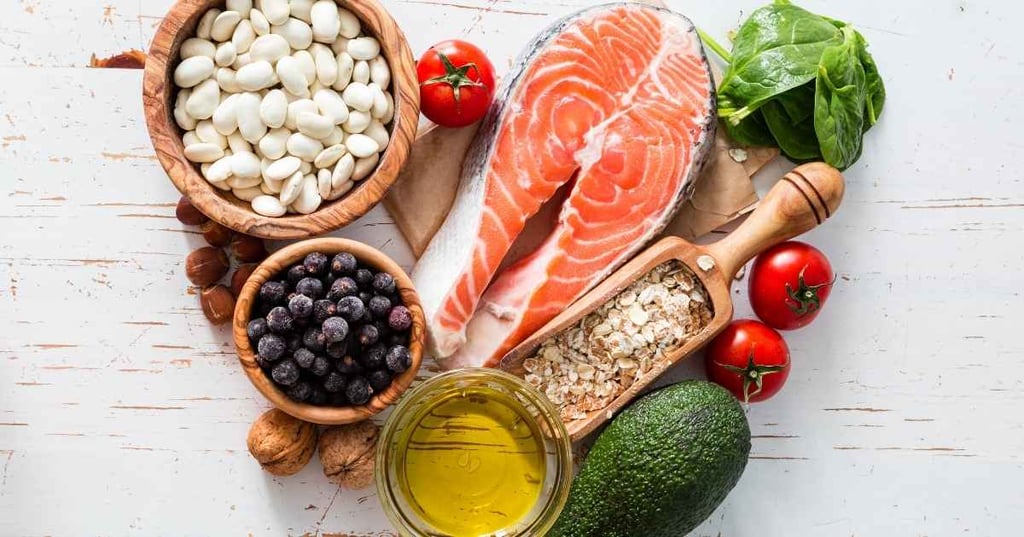
- Eat oily fish (like salmon, mackerel and sardines) at least twice a week for omega-3 fatty acids. And incorporate healthy fats from olive oil, nuts, seeds and avocados
If you’re thinking you’ve seen these dietary recommendations before, you’re right, they’re pretty much describing the Mediterranean diet. You can explore it further in our guide to anti-inflammatory eating.
Support bone health
Declining oestrogen increases the risk of bone loss and the development of osteoporosis and osteopaenia. Nutrients important to slow down bone de-mineralisation include calcium, vitamin D, magnesium and vitamin K2.
- Calcium-rich foods: leafy greens, tahini, sardines with bones, dairy products and fortified plant milks
- Vitamin D: safe sun exposure, oily fish, egg yolks
- Magnesium: dark leafy greens, nuts and seeds, whole grains, legumes
- Vitamin K2: natto (fermented soy beans), fermented cheese, egg yolks, liver, sauerkraut
Alongside a supportive diet, weight-bearing exercise is necessary to enhance bone density.
Balance blood sugar and insulin sensitivity
For your body to manage blood sugar well, your cells need to respond properly to insulin.
“During menopause, declining oestrogen levels can make your cells more resistant to insulin, which makes it harder to keep blood sugar stable. This can lead to more belly fat, low energy, and a higher risk of diabetes.”
– Vicki van der Meer
Ways to combat this include:
- Eat protein at each meal to support stable blood glucose
- Don’t eliminate carbohydrates, but focus on fibre-rich carbs such as vegetables, legumes and whole grains. Minimise or avoid refined carbohydrates and white flour products
- ‘Dress your carbs’, i.e. don’t eat foods that are predominantly carbohydrates on their own – add protein and/or healthy fats
- Eat your carbs last. The time to indulge in sweet foods is at the end of a meal that has contained good amounts of protein and fibre. This will minimise the spike in blood sugar from the sweet food
Increase protein
Our need for protein increases with age. Protein is especially important to maintain muscle mass and bone density. Aim for 1.0 – 1.5grams of protein per kg of body weight per day.
Good sources include fish, eggs, legumes, organic soy products, poultry, lean red meat and Greek yoghurt.
Increase phytoestrogen foods
Phytoestrogens are naturally occurring compounds found in plants. They are named due to their chemical structure being similar to oestrogen. They can bind to oestrogen receptors in the body and either mildly mimic or block the effects of oestrogen, helping to support hormonal balance – especially when oestrogen levels are low, such as during menopause.
The two most studied types of phytoestrogens are:
- Isoflavones – found in soy products such as tofu, tempeh, soy milk and miso, legumes
- Lignans – found in flaxseeds, sesame seeds, pumpkin seeds and nuts
Over the past couple of decades, soy foods have attracted a lot of controversy and bad press, with claims that soy foods are ‘bad for our hormones’, and that women in particular should avoid them. Based on this, a lot of people have unnecessarily avoided phytoestrogen-containing foods. To be clear, soy does not contain oestrogen in the same form that is made in the body; however, the phytoestrogens in soy do interact with our oestrogen receptors, but it is in a protective and beneficial manner. A meta-analysis found that oral phytoestrogens significantly reduced the frequency of hot flashes in peri- and postmenopausal women compared to placebo.
It is, however, important to choose quality organic soy products and to avoid highly processed products. When isolated from the rest of the food, soy ingredients such as soy protein isolate may behave differently and have different effects on hormonal health.
There is a caveat when it comes to phytoestrogens: not all women experience symptom relief. This is often due to differences in the gut microbiome. There is a particular type of gut bacteria that can turn the phytoestrogen in soy into a stronger and more usable form called equol, and if these bacteria are missing or low, the benefits of soy may be reduced. This highlights the importance of eating to support a healthy gut microbiome. The good news is that regular intake of phytoestrogens along with a healthy gut microbiome increases the likelihood of equol being produced.
What NOT to eat in menopause
The decline in oestrogen produces profound metabolic changes, which shift how the body regulates blood sugar, builds muscle and stores fat. It is often a time of decreased insulin sensitivity, increased visceral fat, decreased lean body mass and higher cholesterol levels. Oestrogen supports glucose uptake into cells and improves insulin receptor sensitivity. The decline in oestrogen leads to higher insulin levels which promotes fat storage, particularly abdominal adiposity.
Refined carbohydrates
Avoid or minimise white bread, pasta and rice, sugary cereals, pastries, biscuits and sweetened yoghurt. With reduced insulin sensitivity during menopause, glucose can struggle to enter cells for energy, leading to higher blood sugar levels. In response, the pancreas produces more insulin, but if cells remain resistant, the excess glucose is stored as fat, particularly around the abdomen. This increased fat storage, especially visceral fat, promotes chronic low-grade inflammation, which can contribute to various health issues.
Trans fats
Minimise or avoid fast foods and fried foods as they can raise LDL cholesterol and promote weight gain. Swap to healthy fats such as those found in fatty fish, nuts, extra virgin olive oil and avocado as mentioned above.
A word on hot flushes
The occurrence of the most well-known symptom of menopause, the hot flush, can be greatly reduced by following the dietary strategies above; however, there are some foods/substances that can directly cause a hot flush, so these are best avoided or minimised:
- Alcohol
- Caffeine
- Spicy foods
It can be difficult for some women to realise that the things that have previously been an enjoyable part of their life, such as coffee and alcohol, are now causing them problems. Particularly during perimenopause, when the liver is having to process widely varying levels of hormones, it can struggle to adequately process alcohol and caffeine, and women can find themselves much more sensitive to these substances. Alcohol and caffeine can also disrupt sleep, which may already be disturbed by hot flushes.
If you’re feeling unsure about where to start or want support creating a personalised strategy for your menopause transition, book a free discovery call to explore how we can work together.