
Eczema: soothing skin and addressing root causes
Itchy, inflamed skin often signals deeper immune and gut imbalances. Functional medicine works to restore skin barrier health by addressing underlying triggers for long-term relief.

How to treat eczema naturally
Looking for a natural eczema treatment in Melbourne? This page covers:
At Melbourne Functional Medicine, we’ll work with you to pinpoint the cause of your eczema and treat it naturally and effectively, using our award winning approach to healthcare.
What is eczema?
Understanding your skin condition
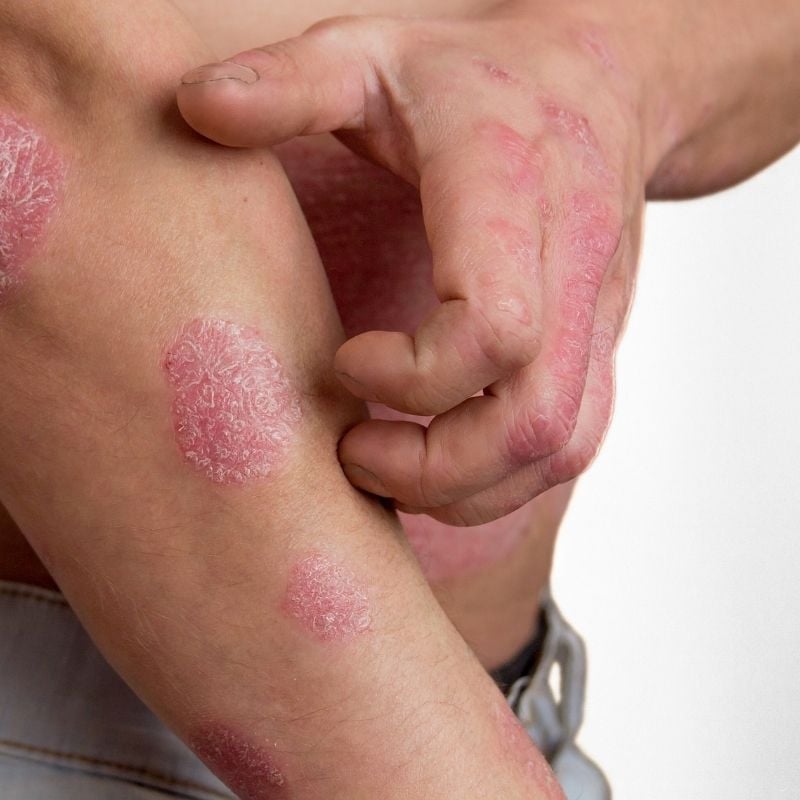
Eczema and dermatitis are interchangeable terms for the same common but non-contagious inflammatory skin condition. Eczema presents as patches of dry, red, raised or scaly skin, which can blister, crack and exude fluid. Because of this, people with atopic dermatitis are prone to skin infections and more susceptible to colonisation by Staphylococcus aureus.
What is eczema?
Understanding your skin condition
Eczema and dermatitis are interchangeable terms for the same common but non-contagious inflammatory skin condition. Eczema presents as patches of dry, red, raised or scaly skin, which can blister, crack and exude fluid. Because of this, people with atopic dermatitis are prone to skin infections and more susceptible to colonisation by Staphylococcus aureus.

The problem isn’t just skin deep
Want to treat eczema naturally and permanently? Research is beginning to uncover the links between gut and skin health and has also found that dietary factors can exacerbate and even cause dermatitis, making food and nutrition both a potential trigger, and treatment, in the fight against eczema.
This is why our practitioners treat eczema with a holistic whole-of-body approach that offers a more permanent solution to your skin condition while treating its underlying cause.
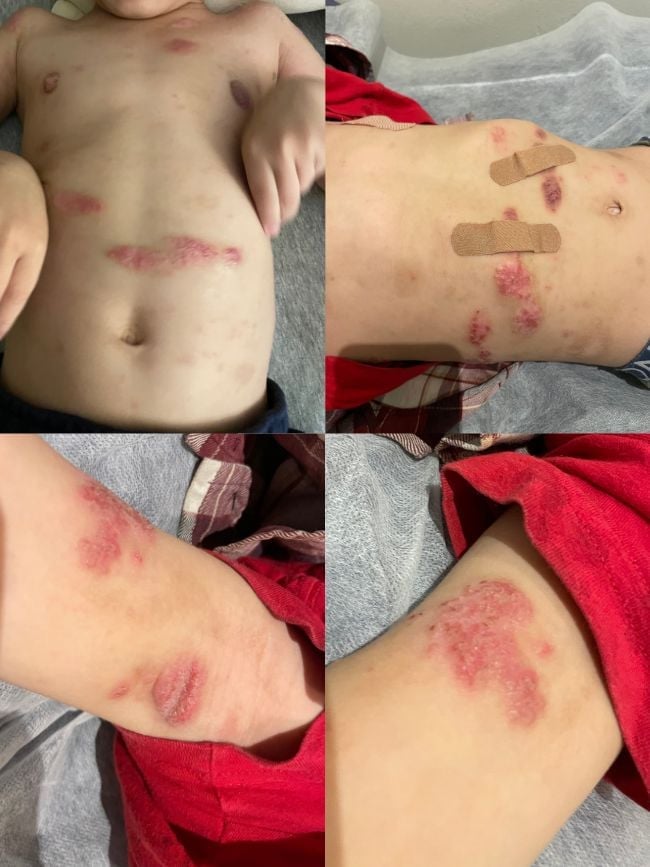
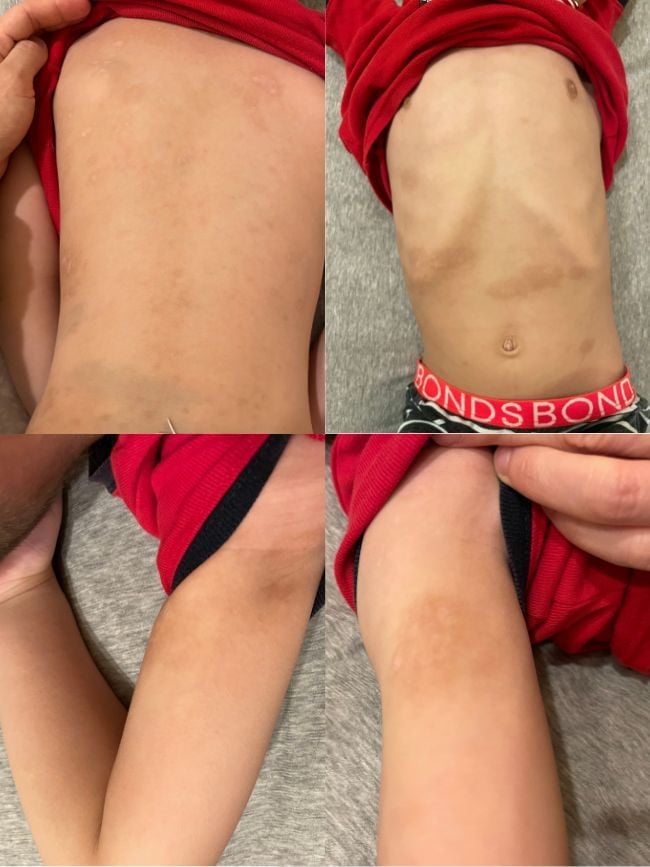
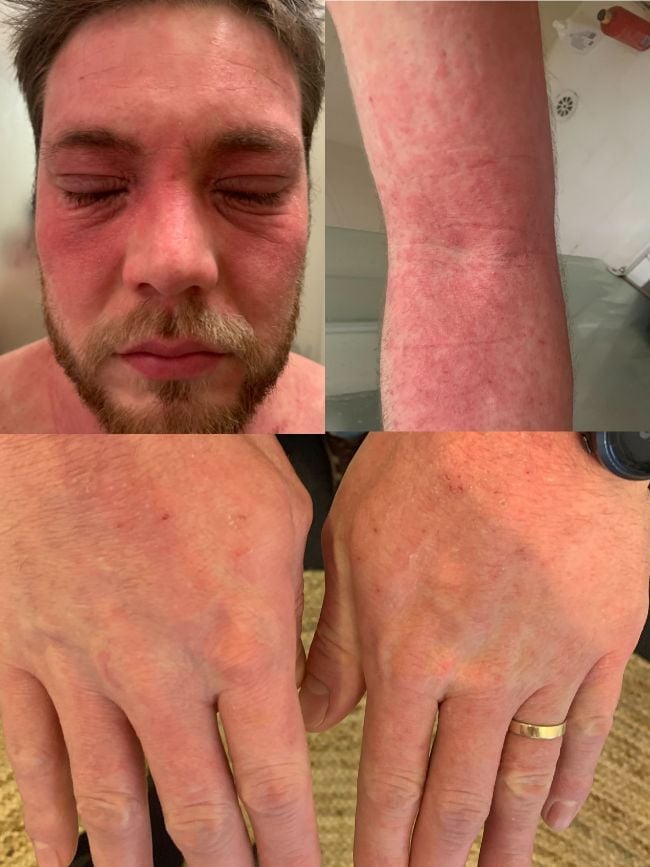
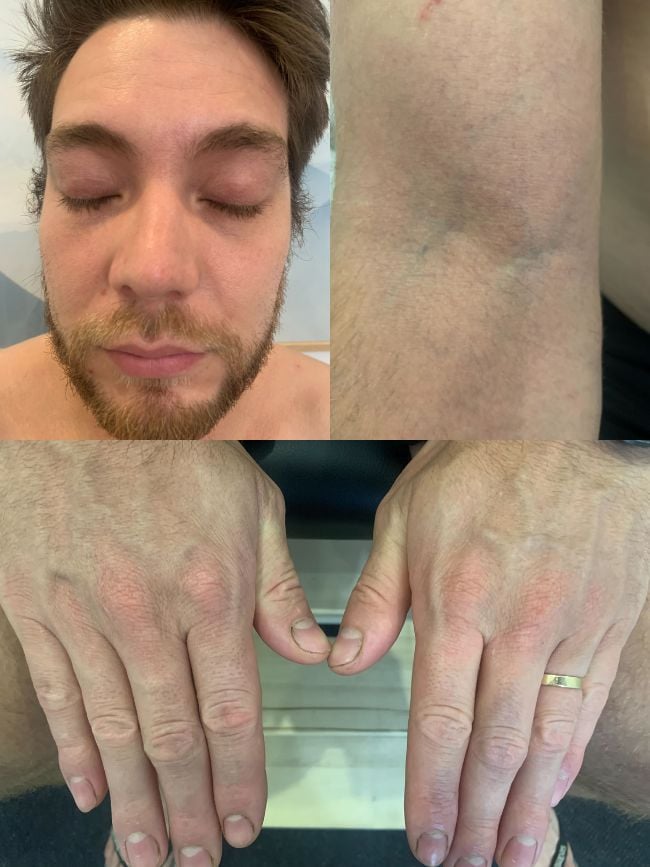
Our patients are seeing results they’ve been trying to achieve for years through conventional medicine. See the difference our approach to healthcare can make in the before and after photos below.
Before
After
Before
After
What causes eczema?
There isn’t one single cause of eczema but a range of potential contributing factors that are unique to each person. These include:
Genetics
Research has found people with the ‘atopic triad’ have a defective barrier of the skin and upper and lower respiratory tracts.
These genetic alterations cause a loss of function of filaggrin (filament aggregating protein), which is a protein in the skin that normally breaks down to create natural moisturisation and protect the skin from penetration by pathogens and allergens.
Filaggrin mutations are found in approximately 30 percent of people with atopic dermatitis, and also predispose people to asthma, allergic rhinitis (hayfever), keratosis pilaris (dry rough patches and bumps on the skin), and ichthyosis vulgaris (a chronic condition which causes thick, dry, scaly skin.)
If one parent carries this genetic alteration, there is a 50 percent chance their child will develop atopic symptoms. And that risk increases to 80 percent if both parents are affected.
Food allergy and sensitivity
Food hypersensitivity has been found to cause or exacerbate atopic dermatitis in 10-30% of cases, and 90% of these are caused by eggs, milk, peanuts, soy and wheat.
Compromised gut health
The connection between the gut microbiome and skin health is complex, however, research has found the microbiota contributes to the development, persistence, and severity of atopic dermatitis through immunologic, metabolic and neuroendocrine pathways.
Nutritional deficiencies
Deficiency of Omega-6 essential fatty acids (EFA) has been linked with the increased incidence of atopic dermatitis, along with the inability for the body to efficiently metabolise EFA’s to gamma linoleic acids (GLA) and arachidonic acids (AA).
Pregnancy
Studies have also found high maternal stress levels in pregnancy can increase the risk of their child developing atopic dermatitis. Our practitioners can work with you to develop a healthy lifestyle plan, while also supporting hormones with key nutrients and herbs.
Weather and environment
Changing weather conditions can certainly aggravate eczema symptoms, but the triggers are subject to change among individuals.
Hormones
Hormones also play a role in the course of atopic dermatitis, including the stress hormone cortisol which triggers an inflammatory immune response affecting all organs of the body, including the skin.
Mould exposure
Mould exposure and susceptibility to mould can cause Chronic Inflammatory Response Syndrome (CIRS), of which dermatitis is a manifestation.
Forget short-term topical treatments. Treat the cause instead.
Natural vs conventional eczema treatments
Aside from only providing a short-term solution that doesn’t treat the underlying cause of your skin condition, conventional medicine can cause undesirable side effects.
Topical steroids
The side effects and risks of topical steroids may cause atrophy and thinning of the skin, and increase the potential for bruising, ulceration, rosacea, perioral dermatitis, acne, skin discolouration, contact dermatitis and your susceptibility to bacterial and fungal infections. Long-term topical steroid use can also result in topical steroid withdrawal syndrome, also known as red skin syndrome. Symptoms include redness of the skin, a burning sensation, along with itchiness, which can progress to skin peeling.
Topical calcineurin inhibitors
More recently, topical calcineurin inhibitors which inhibit immune system responses have been used for short term or chronic intermittent treatment of atopic dermatitis, as an alternative to steroid use. But these products too can carry potential risks, and now include a Boxed Warning for potential, albeit debated, risk of lymphoma associated with TCI use.
Eczema baths
The Royal Children’s Hospital provides an eczema bath formula for children, which combines bath oil, pool salt and White King bleach in a bath of tepid water. The protocol is not intended to cure eczema, but to reduce Staphylococcus aureus bacteria on the skin in an attempt to reduce the rate of infection.
If you suffer with eczema you may have already tried some or all of these treatments and found limited or only short-term relief. Functional medicine-trained Naturopath, Rebecca Hughes, can work with you to find real answers to why your eczema is occurring and how you can treat the cause effectively and naturally.
Listen to Rebecca talk about the functional medicine approach to skin health and natural eczema treatments in Australia below.
The Melbourne Functional Medicine approach
Personalised assessment and treatment of what’s causing your eczema
Our practitioners take a highly personalised approach to any health concern, including eczema. This means we use detailed assessments, analysis, and functional testing to determine which of the underlying causes or contributors apply to you. More often than not, our investigations and natural eczema treatments will focus on gut health and may include:
Functional testing
We offer a range of testing options, including food sensitivity and allergy tests, intestinal hyperpermeability assessments, and microbiome and hormonal profiles.
Improving gastrointestinal integrity and function
Gastrointestinal symptoms are common among people with eczema, so the functional medicine approach in our clinic focuses on improving digestive function. This can include food, nutrition supplements and herbal protocols.
Restoring the microbiome
We use a mix of prebiotics and probiotics to help restore healthy balance to the flora of the gastrointestinal system.
Balancing hormones
We take a multifaceted approach to hormonal balancing, combining lifestyle changes with herbs and supplements designed to restore hormonal balance.
Reducing inflammation
One of the most effective ways to reduce inflammation is dietary change, reducing or removing inflammatory foods, as well as potential allergy or intolerance triggers including foods containing salicylates, amines and glutamates, which can cause or exacerbate eczema.
Supplementing nutrients
In addition to an anti-inflammatory diet, we may supplement key nutrients that play a role in skin health and reducing inflammation, including Vitamin D for its role in supporting filaggrin production, omega 3 and 6, zinc, Vitamin A, Vitamin E, glutamine, curcumin, and bioflavonoids.
Modulating the immune system
A functional medicine approach can also extend to calming the overactive immune responses seen in eczema with natural immunomodulators like echinacea, astragalus, albizia, baikal skullcap and even therapeutic mushrooms. These herbs are not suitable for everyone and should only be used under the supervision of a trained practitioner.

Case study
See how our approach helps our patients achieve better health and richer lives.
James was 17 when he first came to us. He was covered from his neck to his ankles in eczema. There was bad scarring behind his knees from the constant itching and scratching.
Read James’ story by hitting the button below
James’ story
James was 17 years old when he first came to us, covered from his neck to his ankles in eczema. There were severe scars behind his knees from constant itching and scratching. James also had a diagnosis of Autism Spectrum Disorder (ASD) and was verbal, enjoyed learning at school, but wasn’t a fan of making eye contact.
An in-depth analysis of the problem
A thorough assessment revealed that James was also constipated, despite drinking plenty of water, and had congested sinuses most of the time. Historically, he wasn’t breastfed, and the eczema developed in infancy. He also had a history of multiple urinary tract infections (due to a congenital malformation), for which he required several courses of antibiotics. His bowel movements were never quite consistent.
The holistic assessment indicated several factors, both past and present, contributing to his eczema:
- Early exposure to bovine-based formula and the onset of eczema point to intolerances. The inflammation created by food intolerances can express systemically, and likely in this case both in bowel and skin
- Recurrent courses of antibiotics disturbing microbiome ecology, and potentially leading to constipation, compromising a key pathway of detoxification and impacting the behaviour of the immune system (eczema, chronic upper respiratory congestion)
- When key paths of detoxification are impaired, this can overburden other systems such as the skin and lymph
Implementing the solution
We began by assessing food intolerances using blood tests, which identified dairy, almonds, and eggs as the primary culprits. Upon eliminating these foods from James’ diet, we saw a significant reduction in his eczema symptoms. However, after a binge on ice cream, his eczema flared up again – a valuable lesson that reinforced the importance of sticking to the diet.
James’ health coach provided ongoing guidance and emotional support throughout his healing journey. His health coach worked with him and his family to:
- Understand the link between his food intolerances and eczema. They provided practical advice on how to avoid his trigger foods and introduced suitable substitutes, making it easier for James to stick to his elimination diet
- Living with eczema can be challenging, especially for a teenager dealing with a visible condition. His health coach helped him develop coping strategies for the emotional impact of his eczema, particularly during flare-ups
- Staying committed to a strict diet can be difficult. James’ health coach kept him motivated by setting achievable goals, tracking progress, and celebrating his successes. They also helped him stay accountable after the slip-up with the ice cream, ensuring he stuck to his plan
- Monitoring symptoms and activities is key part of the healing process. James’ health coach was involved in tracking his eczema symptoms, noting improvements, and making any necessary adjustments to the diet or lifestyle to maximise results
Achieving an incredible result
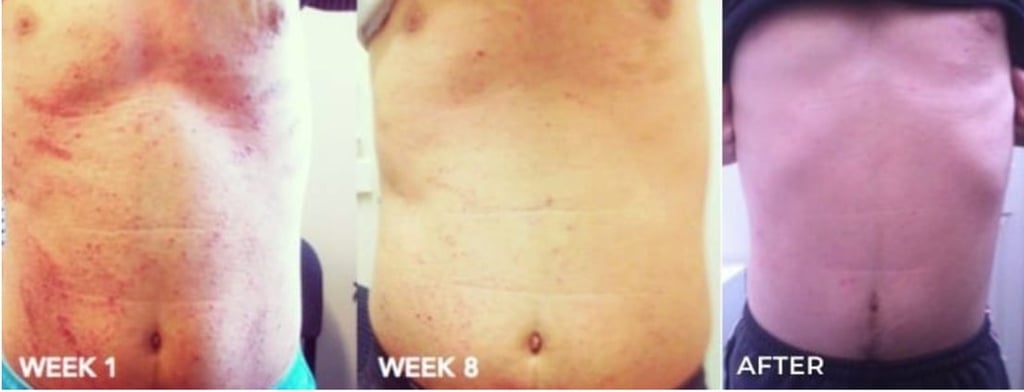
After getting back on track with the elimination diet, James saw remarkable improvements. Within 16 weeks, his eczema had completely cleared up. The before-and-after images show a clear transformation, and James couldn’t be happier with the results achieved through his commitment and the ongoing support of his practitioner and health coach. His eczema no longer impacted his daily life, and he felt empowered to maintain his new lifestyle.
Ready for a personalised, natural functional medicine treatment?
Our unique model of care was designed with you in mind. Find out how, then book a call today
Frequently
Asked
Questions
Why haven’t conventional eczema treatments worked for me?
Conventional eczema care often relies on:
- Topical corticosteroids to reduce inflammation
- Antihistamines to manage itch
- Moisturisers to rehydrate dry skin
These approaches can provide short-term relief but generally treat only the symptoms, not the underlying causes.
If you feel frustrated with recurring flare-ups, a functional medicine approach may help. Our functional medicine–trained naturopaths work to uncover root causes such as immune imbalance, gut health issues, or nutrient deficiencies, and provide personalised strategies to support lasting skin health. Our eczema clinic is available in Melbourne and via telehealth across Australia and overseas.
Is eczema more common in children?
Yes, eczema is more common in children than in adults. Prevalence is highest in early childhood, and many children develop symptoms before the age of 5. While some outgrow it, others continue to experience flare-ups into adulthood.
Genetics can increase susceptibility, which is why eczema often appears in family clusters. Environmental factors, allergies, and immune system imbalances can also play a role in whether symptoms persist or improve with age.
Could my eczema be allergy or asthma-related?
Yes. Eczema (atopic dermatitis) is often part of the “atopic triad” – a group of related conditions that includes asthma and allergic rhinitis (hay fever). Many children and adults with eczema also experience one or both of these, due to shared immune and inflammatory pathways. Understanding and addressing allergies and respiratory health can help in managing eczema more effectively.
Do pre and pro biotics prevent eczema in children?
Research suggests that certain pre- and probiotics may help reduce the risk of eczema in children:
- Prebiotic oligosaccharides given during infancy have shown protective effects against atopic dermatitis
- Maternal probiotic use, especially Lactobacillus rhamnosus GG during pregnancy and breastfeeding, has been linked to reduced rates of eczema and allergy in offspring
Interestingly, more than 60 per cent of eczema cases occur within the first year of life, which is prompting interest in preventative measures during the preconception and prenatal period, such as probiotics.
While promising, outcomes can vary, so personalised guidance is recommended.
How to treat severe eczema naturally?
Severe eczema requires a comprehensive, root-cause approach. This often begins with functional testing to investigate:
- Food sensitivities and allergies
- Gut health and microbiome balance
- Intestinal permeability (“leaky gut”)
- Hormonal influences
Once drivers are identified, a functional medicine practitioner may recommend nutritional support, pre- and probiotics, herbal medicines, and targeted dietary and lifestyle changes to calm inflammation and support skin repair.
Do you use topical herbs to treat inflammation?
Yes, topical herbs are sometimes used as part of a natural eczema care plan. Soothing, anti-inflammatory herbs may include:
- Hypericum
- Calendula
- Chickweed
- Chamomile
- Manuka honey
- Comfrey (when the skin barrier is sealed)
These are often applied in oil bases such as jojoba or sunflower oil. In addition, internal herbal medicines may be prescribed to help calm inflammation systemically and support overall skin healing.
What foods trigger eczema?
Food triggers can vary between individuals, but some of the most common foods linked with eczema flare-ups include:
- Dairy products (milk, cheese, yoghurt)
- Eggs
- Wheat and gluten-containing foods
- Soy
- Nuts
- Shellfish
- Processed foods high in sugar or additives
Not everyone with eczema reacts to these foods, and removing foods without guidance can lead to nutritional gaps. A functional medicine approach investigates possible triggers through food sensitivity testing, elimination diets, and gut health assessment. This helps identify your unique food triggers and create a plan that supports both your skin and overall wellbeing.
Can’t find what you’re looking for? Reach out to the team directly – we’ll be happy to assist.
