
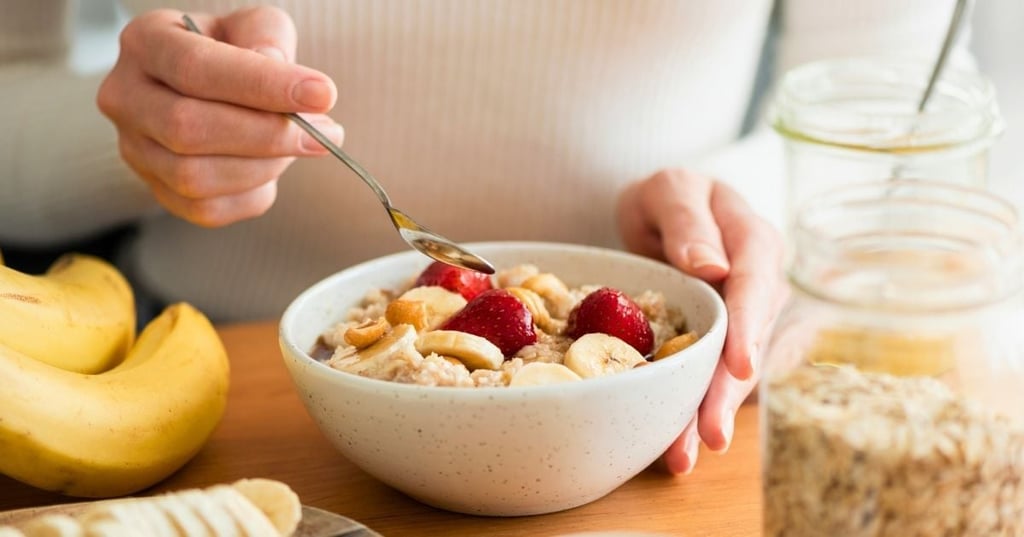

Most people who come to see me have already tried to eat more fibre. It’s one of the first things we’re told to do when we’re constipated – switch to wholegrains, add bran, eat more fruit and veg. But often, that advice doesn’t bring the relief people expect.
Instead, they end up feeling more bloated or uncomfortable and start wondering what they’re doing wrong. The reality is, not all fibre behaves the same once it reaches your gut. Some types help everything move smoothly; others add too much bulk when the system’s already sluggish.
To make sense of why fibre sometimes helps and sometimes hurts, it’s worth looking at what fibre really does inside the body and how your gut’s current state changes the way it responds.
Why fibre isn’t a one-size-fits-all fix
Fibre often gets talked about as if it’s a single thing – something you can just add more of and expect everything to work better. But the reality is far more nuanced. Fibre behaves differently depending on the state of your gut and what else is happening in your body.
When digestion is strong, fibre adds healthy bulk and keeps things moving. But when motility is slow, bile flow is low, or the microbiome is out of balance, that same fibre can feel like adding extra load to an already jammed system. Instead of easing movement, it can create more pressure, bloating, or a sense of fullness that never quite resolves.
That doesn’t mean fibre is bad – it means your gut might not be ready for more until the basics are working well again: proper hydration, bile flow, and nervous system balance. Once those foundations are in place, fibre becomes supportive rather than stressful, helping your gut find its rhythm instead of fighting against it.
Soluble vs insoluble fibre – and why it matters
Once you understand that fibre isn’t a single substance, the next step is learning which types your gut responds to best. Broadly, fibre falls into two main categories, and each plays a very different role in digestion.
Soluble fibre – the gentle hydrator
Soluble fibre dissolves in water, forming a soft gel that helps stool stay moist and easy to pass. It also feeds beneficial gut bacteria, which in turn produce short-chain fatty acids that support healthy motility and reduce inflammation.
You’ll find soluble fibre in foods such as:
- Oats and oat bran
- Chia or flaxseed (soaked)
- Stewed fruits such as pear, apple, or kiwi
- Cooked root vegetables like pumpkin or carrot
If your bowel movements tend to be dry, hard, or irregular, soluble fibre is often the best place to start. It adds moisture and softness without creating excess bulk.
Soluble fibre soothes and softens – it’s ideal when your gut feels dry, tight, or reactive.
Insoluble fibre – the natural mover
Insoluble fibre doesn’t dissolve; it adds structure and bulk, helping to stimulate the bowel wall and sweep waste through. It’s found in:
- Bran and wholegrains
- Nuts and seeds
- Skins of fruits and vegetables
When your gut is already moving well, insoluble fibre helps maintain rhythm. But when things are slow or inflamed, too much of it can create friction – adding to discomfort instead of easing it.
If you feel bloated or “blocked” after high-fibre foods, your gut may not be ready for this type just yet. Focus on soluble fibres and gentle digestive support first, then gradually reintroduce the rougher types once your motility improves.
Finding your balance
The goal isn’t to avoid fibre – it’s to find the balance your body can comfortably manage right now. In clinic, we often adjust fibre gradually while supporting the systems that help it work: hydration, bile flow, microbial balance, and nervous system tone.
Once those pieces align, fibre starts doing exactly what it’s meant to – keeping things soft, smooth, and regular without creating pressure or strain.
If you’d like more details on which foods fit each category, our companion guide on foods that cause constipation and what to eat instead explores this in depth.
When “healthy” fibre makes things worse
For some people, “eating healthy” can quietly become part of the problem. You add more wholegrains, raw vegetables, or fibre supplements – yet end up feeling even more bloated, blocked, or uncomfortable.
This pattern has become more common as high-fibre eating has gained traction online. The fibremaxxing trend, which encourages dramatically increasing daily fibre intake for gut health, works well for some people, but can quietly worsen symptoms when the digestive foundations aren’t in place first.
The issue isn’t fibre itself. It’s that your gut may not be ready to process more of it right now.
When the digestive system is sluggish or out of balance, fibre can start to ferment before it moves, creating gas, pressure, and a feeling of fullness without release. This is especially common when:
- Bile flow is slow – there’s not enough lubrication to move stool through smoothly
- Gut bacteria are unbalanced – too many gas-producing species can make fibre feel like fuel for bloating
- You have a condition known as SIBO (small intestinal bacterial overgrowth)
- Hydration isn’t effective – plenty of water, but not enough minerals or electrolytes to help the bowel absorb it
- Stress is high – the nervous system stays in “fight or flight,” slowing motility no matter what you eat
So if your gut tightens up after a fibre-rich salad or bran cereal, it’s not in your head – it’s a clue.
Can too much fibre make constipation worse?
Yes. When your gut bacteria, bile flow, or hydration are out of balance, excess fibre can actually slow digestion. Instead of softening stool, it absorbs water and firms it up – leaving you bloated, uncomfortable, and still not moving regularly.
That’s why increasing fibre isn’t always the first step. Often, the focus is on getting the foundations working again – hydration that actually absorbs, enough dietary fat to support bile flow, and a nervous system that allows the gut to move properly.
Finding your fibre sweet spot
Once you understand that “more” isn’t always “better,” the next step is learning how to experiment safely to see what your gut actually responds well to. This isn’t about cutting fibre out – it’s about finding the amount and type your body can handle comfortably right now.
Here’s how to start fine-tuning:
1. Start with gentle, soluble fibres
Soluble fibres hydrate and soften stool without adding the rough bulk that can aggravate a sluggish system. When motility is already slow or the gut feels reactive, this is usually the more comfortable place to begin.
Good options include:
- Cooked vegetables (zucchini, pumpkin, carrot)
- Oats or oat bran
- Chia or flaxseed (soaked, not dry)
- Stewed fruit such as pear or apple
For those eating a lot of raw vegetables or bran, shifting toward cooked and blended options for a week or two often reduces discomfort noticeably.
2. Hydrate with absorption in mind
Plain water alone isn’t always sufficient. The bowel needs fluids it can absorb and retain, which depends on adequate minerals – particularly sodium, potassium and magnesium.
Practical supports include:
- Adding a pinch of sea salt or electrolytes to water
- Including soups or broths regularly
- Balancing caffeine intake with mineral water or herbal tea
3. Pair fibre with healthy fats
Fats help trigger bile release – the body’s natural lubricant for moving stool through the bowel. Including a small serve of fat alongside fibre-rich meals can make a meaningful difference to how well fibre functions.
Sources worth including:
- Avocado
- Olive oil or flaxseed oil
- A small handful of nuts or seeds
- Whole eggs or fatty fish
4. Introduce changes gradually
Even the right type of fibre can cause discomfort if increased too quickly. Adding one fibre-rich food at a time and allowing three to five days to observe your gut’s response gives a clearer picture of what’s working.
Adjusting portion size, not just food type, is often where the most useful information comes from.
5️. Notice your gut’s feedback
Improvement tends to show up as softer, more regular stools, less straining, reduced bloating, and a greater sense of complete evacuation. These are signs that the approach is moving in the right direction.
If symptoms worsen, that’s useful information rather than failure. It may indicate the gut needs additional support, such as magnesium, digestive enzymes, or bile-supportive foods, before fibre can function effectively.
The functional medicine approach
If adjusting your fibre hasn’t made a lasting difference, it doesn’t mean you’re out of options – it means your body is asking for a deeper look. Functional medicine takes constipation beyond a “plumbing” issue and views it as a communication issue – your gut signalling that something isn’t flowing well.
Rather than focusing on symptom management, we look at the systems that influence how fibre behaves in your gut:
1. Digestive function
Fibre relies on adequate stomach acid, digestive enzyme activity, and bile flow to move smoothly through the bowel. When any of these are insufficient, fibre can dry out rather than soften stool, or fail to break down properly in the first instance.
Tests to ask your practitioner about: A comprehensive stool analysis or digestive enzyme assessment can help identify whether this kind of support is missing.
2. Microbiome balance
Gut bacteria play a central role in fermenting and processing fibre. When certain species overgrow, as in dysbiosis or SIBO, even otherwise healthy foods can produce bloating, gas, and slowed motility.
Tests to ask your practitioner about: If fibre consistently triggers discomfort, microbial imbalance may be a contributing factor worth exploring. A stool microbiome test or SIBO breath test can help clarify what’s happening.
3. Hydration and minerals
Without adequate minerals to help the bowel retain water, fibre can become dry bulk rather than soft, mobile stool. Sodium, potassium, and magnesium all play a role in healthy motility, and electrolyte imbalance can present similarly to slow transit constipation.
Pairing fluids with mineral-rich foods or electrolyte support, rather than relying on water alone, is often a useful first adjustment.
4. Nervous system regulation
Your gut cannot move well when your body is in a sustained stress response. Peristalsis – the wave-like muscular contractions that move stool through your intestine – depends on the “rest and digest” response (vagus nerve activation) being sufficiently active. Chronic stress, poor sleep, and shallow breathing can all dampen this response, regardless of diet.
Simple practices such as slow diaphragmatic breathing or gentle movement after meals can support your vagus nerve and, for some people, make a measurable difference to motility.
Fibre should work with you, not against you
Fibre can be incredibly helpful for constipation – but only when your gut is ready for it. It’s not about cutting it out or forcing more in; it’s about matching the type and amount of fibre to where your digestion is right now.
If your system feels sluggish or easily bloated, it’s often a sign your gut needs a bit of groundwork before it can handle higher-fibre foods comfortably. That might mean improving hydration that actually absorbs, getting bile flow moving again, or supporting the right microbes so they can do their job.
Once those foundations are in place, fibre starts to behave the way it’s meant to – softening, hydrating, and helping your body find its rhythm again. You don’t have to keep guessing or pushing harder; it’s about creating the right conditions for things to move naturally.