
You’ve probably searched “best foods for gut health” before, only to land on a dozen conflicting lists.
One tells you to eat more raw vegetables; another warns against them.
Fermented foods are praised in one place, but trigger bloating in another.
It’s confusing, especially if you’re already eating “healthy” and still feeling bloated, sluggish, or off.
The truth is, there are foods that support a healthier gut – but not every gut responds the same way. What’s soothing and healing for one person can be irritating for another, especially if you’re dealing with symptoms like bloating, constipation, diarrhoea, or food sensitivities.
As functional medicine practitioners, we help people navigate this daily. While gut-supportive nutrition shares some common principles like feeding beneficial bacteria, calming inflammation, and supporting the gut lining, it also requires personalisation and sometimes a gentler approach for sensitive or reactive guts.
In this guide, you’ll find a practical overview of foods that generally support gut health, plus key tips and caveats to help you choose what’s right for your body. Whether you’re just starting or fine-tuning your gut health journey, this can help you eat with more clarity, confidence, and comfort.
Why your gut needs more than just ‘healthy food’
Not all healthy foods are gut-healing, especially if your gut is inflamed or your microbiome is out of balance. The goal isn’t to eat “clean” or perfectly – it’s to feed the microbes that protect you, reduce internal inflammation, and nourish the gut lining.
Key things your gut loves:
- Prebiotic fibres that fuel beneficial bacteria
- Fermented foods that reintroduce missing microbes (when tolerated)
- Antioxidant and anti-inflammatory foods to calm inflammation
- Nutrients that rebuild your gut lining
The key is learning how to nourish your gut ecosystem in a way that works for you – not just following generic lists or trends. Let’s break down what this can actually look like on your plate and where to start.
Prebiotic fibre: feeding your good bugs
Prebiotics are a type of fibre that your body can’t digest, but your beneficial bacteria can.
These fibres act as fuel for your microbes, helping them thrive and produce short-chain fatty acids like butyrate, which calm inflammation, support your immune system, and nourish the gut lining.
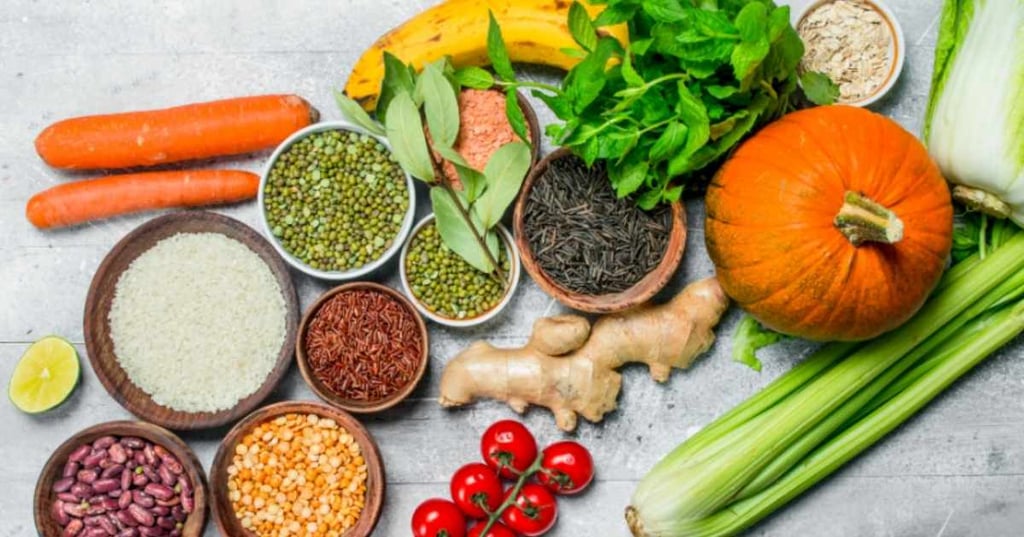
Here are some naturally prebiotic-rich foods:
- Garlic: contains inulin, a powerful prebiotic that feeds Bifidobacteria
- Onions: rich in fructooligosaccharides (FOS) that support gut diversity
- Leeks: offer both prebiotic fibre and anti-inflammatory polyphenols
- Asparagus: provides inulin and antioxidants
- Green banana flour: a resistant starch source that fuels butyrate production
- Rolled oats: a gentle, soluble fibre that supports regularity
- Jerusalem artichoke: one of the highest natural sources of inulin
How to use prebiotic foods:
- Add slowly if you’re prone to bloating or gas – too much too quickly can overwhelm a sensitive gut
- Cook well (especially garlic, onions, and leeks) to make fibres easier to tolerate
- Rotate your fibre sources to promote microbial diversity without overloading one pathway
- Pair with healthy fats like olive oil to slow digestion and enhance absorption
“Combining prebiotics with fermented foods helps to establish a healthy and diverse microbiome”
– Mark Payne
If you’re dealing with IBS or SIBO, some prebiotic foods may trigger symptoms. This is where a personalised approach and guidance from a practitioner can help you find the right fibres for your gut.
Fermented foods: natural probiotic power
Fermented foods are rich in live, beneficial bacteria that can help support your gut microbiome – especially if it’s been disrupted by stress, antibiotics, illness, or highly processed diets. These foods can help support microbial diversity and may support digestion, immunity, and even mood by promoting gut health.
Examples of fermented foods:
- Sauerkraut: contains lactic acid bacteria that support microbial diversity
- Kimchi: made primarily with fermented cabbage and contains large amounts of the gut-friendly bacterium, Lactobacillus. It also provides prebiotic fibres from vegetables
- Kefir: a tangy, fermented dairy or coconut drink with broad-spectrum probiotic strains
- Miso: a savoury paste made from fermented soy and contains large amounts of the gut-friendly bacteria, Aspergillus oryzae
- Unsweetened yoghurt: made from milk fermented by friendly bacteria (mainly lactic acid bacteria and bifidobacteria), yogurt is one of the best sources of probiotics. It delivers live cultures that may support digestion and immunity
- Fermented vegetables: combine fibre and friendly bacteria for a two-in-one gut boost
How to use fermented foods:
- Start small: 1–2 teaspoons with a meal, especially if you’re new to them
- Choose raw/unpasteurised versions for maximum live bacteria
- Introduce slowly if you’re sensitive or have been diagnosed with SIBO or histamine intolerance
Unlike probiotic supplements, fermented foods also provide natural enzymes and organic acids that support digestion – but they aren’t for everyone.
If you notice increased bloating, fatigue, or brain fog after eating fermented foods, this may be a sign that your gut needs targeted support first, before introducing probiotics through food. A personalised approach can help you find the right balance.
Polyphenol-rich plants: gut-soothing antioxidants
Polyphenols are plant compounds that act as antioxidants, but they also feed good gut bacteria and limit the growth of unwanted species. They also help reduce gut inflammation and support the mucosal lining.
Examples of polyphenol-rich foods for gut health:
- Blueberries and raspberries: rich in anthocyanins that support microbial diversity
- Extra virgin olive oil: high in polyphenols that reduce gut and systemic inflammation
- Cacao (unsweetened): contains flavonoids that feed keystone gut species like Akkermansia muciniphila
- Green tea: provides catechins with antimicrobial and anti-inflammatory benefits, supporting gut balance
- Flaxseeds: offer lignans and mucilage that soothe the gut lining and aid gut motility
- Herbs like rosemary and turmeric: support gut motility and modulate inflammation via polyphenolic compounds
How to use polyphenols:
- Sprinkle flax or cacao into smoothies, oats, or yoghurt
- Sip green tea between meals for gentle gut support
- Drizzle olive oil generously over salads, cooked vegetables, or grains
- Add herbs and spices liberally to enhance both flavour and function
Polyphenols are a cornerstone of Mediterranean diets – strongly linked with reduced digestive and systemic inflammation. Increasing your variety of colourful plant foods is a simple and effective way to nourish your microbiome naturally.
– Mark Payne
Some polyphenol-rich foods, like cacao or green tea, contain natural stimulants (e.g., caffeine or theobromine) – if you’re sensitive, enjoy them earlier in the day or in moderation.
Low-inflammatory staples: the everyday gut heroes
If your gut is sensitive or inflamed, simplicity is your friend. These foods are gentle, nourishing, and easy to digest, offering essential nutrients without overwhelming your system. They can be especially helpful during symptom flare-ups, recovery periods, or when you’re just starting to stabilise your digestion.
Examples of gut-friendly staples:
- Steamed zucchini, carrots, and pumpkin: soft fibres that are soothing and easy on digestion
- Bone broth: rich in collagen and amino acids like glutamine, which support gut lining repair and hydration (opt for low-histamine versions if sensitive)
- Wild-caught salmon or sardines: provide anti-inflammatory omega-3 fatty acids that help reduce inflammation in the gut and beyond
- Cooked quinoa, jasmine rice, or buckwheat: gluten-free and low-reactive grains that offer energy and soluble fibre
- Ripe bananas, stewed apples, or papaya: contain natural enzymes and soluble fibre that aid digestion and motility
- Boiled or poached eggs: provide complete protein without gut-aggravating additives (though some individuals may have egg sensitivities)
- Soft-cooked leafy greens: deliver minerals like magnesium and folate in a gentle, absorbable form
How to use them:
- Use these foods as the foundation of your meals, especially when your gut feels reactive or tired
- Add flavour and extra nutrients with herbs, olive oil, or low-FODMAP sauces
- Turn to these staples during flare-ups, fatigue, or gut reset periods – they help calm inflammation and support recovery
These foods help calm the gut and support tissue repair, especially important if a leaky gut (increased intestinal permeability), IBS, or general digestive sensitivity is at play.
Everyone’s gut is different. Even low-inflammatory foods like eggs or bone broth can cause symptoms in people with specific food sensitivities (which can be identified through food sensitivity testing, if you suspect you have this) or histamine intolerance. If you’re unsure what’s helping or hindering your progress, a guided, personalised approach can make all the difference.
Foods to approach with caution
Some foods aren’t inherently “bad,” but they are commonly problematic for sensitive guts, especially if you’re dealing with bloating, irregular bowel movements, or inflammation. These foods can contribute to symptoms by irritating the gut lining, disrupting the microbiome, or overstimulating digestion – particularly in vulnerable individuals.
Here are some to be mindful of:
- Gluten and conventional dairy: can be difficult to digest for many, especially with conditions like IBS, leaky gut, or autoimmune issues
- Processed seed oils (e.g., canola, sunflower, soybean, corn, cottonseed, grapeseed): often highly refined, may contribute to inflammation when consumed in excess
- Alcohol and caffeine: can irritate the gut lining, disrupt motility, and affect sleep and stress responses
- Artificial sweeteners (e.g., sorbitol, sucralose, aspartame): may disrupt gut bacteria or cause gas and bloating in sensitive individuals
- Highly processed snack foods (chips, crackers, instant noodles): often loaded with additives, refined carbs, and low-quality fats that can irritate the gut
- Emulsifiers and thickeners (e.g., carrageenan, polysorbate 80): some studies suggest they may impact gut barrier function in susceptible people
- Flavour enhancers and MSG: may overstimulate gut receptors or trigger symptoms in sensitive individuals
Tip: Keep a food/mood journal to track how you feel. Our health coaches often encourage patients to track what they eat and how they feel – not to be perfect, but to get curious. Simple strategies like jotting down meals and noting symptoms or energy dips can reveal patterns you might otherwise miss. It’s a gentle way to build insight without overwhelm, and often the first step toward personalised change.
Remember: it’s not about avoiding all of these foods forever – it’s about noticing how your unique body responds, and making informed choices from there.
What is the best diet for gut health?
There’s no one-size-fits-all gut-healing diet – every gut is different, and what works for one person may not work for another. That said, most people benefit from foods that:
- Feed the microbiome (think prebiotic fibres and ferments if tolerated)
- Reduce inflammation (like polyphenol-rich plants)
- Support gut repair (such as bone broth, healthy fats, and easy-to-digest proteins)
The key is to start simple, stay consistent, and listen to your body as you go.
Start small and be consistent
You don’t need a complete diet overhaul. Healing often begins with small, sustainable steps like adding a spoonful of sauerkraut to your dinner, choosing olive oil over processed oils, or incorporating more soft-cooked veggies. These small changes build momentum and gradually support your gut’s ability to heal.
Everyone’s gut story is different, and your path to healing should reflect that.
Personalisation isn’t about being perfect, it’s about learning what your body responds to and making choices that support it day by day.
And remember: if you’ve tried all the right foods and still feel stuck, there may be more going on beneath the surface. The next step is uncovering what your gut truly needs.