
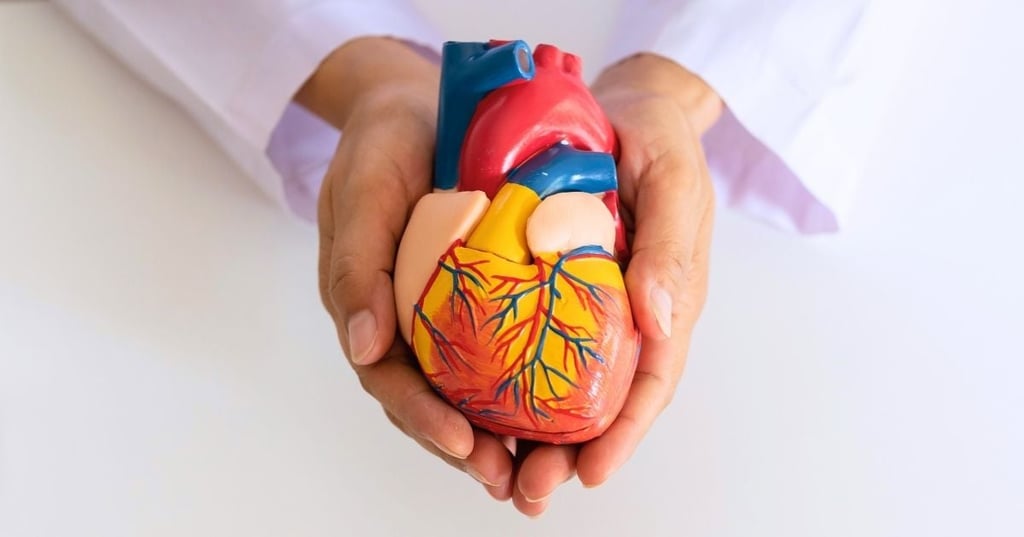

When we talk about cholesterol, many people think of it as a villain – a fatty substance floating in the blood, clogging arteries, and causing heart disease. But that perspective is far too simplistic, and doesn’t do justice to the complex role cholesterol plays in our health.
Over the years, as a functional medicine practitioner, I’ve come to see cholesterol as less of an enemy and more of one part in a multifactorial response from the body. Let’s explore why cholesterol deserves a second look and why oxidative stress and inflammation reduction matter.
Cholesterol: What it is, and why it matters
Cholesterol is much more than just fat; it’s a purposeful combination of proteins, fats, and triglycerides that serves as a vital building block for many of our body’s systems. Think of it as a shuttle bus, transporting fats and other substances to and from cells where they’re needed.
You’ve probably heard about “good” cholesterol (HDL) and “bad” cholesterol (LDL). But these labels oversimplify their roles. HDL removes fats from the body, while LDL delivers them to where they’re needed. Both are essential for balance and proper function.
The real issue isn’t cholesterol itself – it’s factors like particle size, oxidative stress, and inflammation that determine whether cholesterol supports or harms your health.
Oxidative stress and inflammation
What is oxidative stress?
Oxidative stress occurs when there’s an imbalance between free radicals (unstable molecules) and antioxidants in the body. Free radicals, if unchecked, damage cells, proteins, and even DNA, contributing to chronic diseases.
When LDL particles are exposed to oxidative stress, they become small and dense – more like gravel than soft, fluffy particles. These damaged particles stick to arterial walls, promoting the formation of plaques that can lead to cardiovascular disease.
What is inflammation?
Inflammation is the body’s natural defence mechanism against injury or infection. Acute inflammation helps the body heal, but chronic inflammation can harm tissues and drive disease.
How oxidative stress and inflammation are connected
Oxidative stress and inflammation often fuel one another in a damaging cycle. For example, oxidative damage to cholesterol particles can trigger an inflammatory response, further contributing to cardiovascular risk. Addressing both processes is essential for maintaining healthy cholesterol and overall health.
Cholesterol’s hidden roles in the body
Cholesterol does much more than most people realise. It’s a key component of cell membranes, giving them structure and strength. It also plays a starring role in hormone production. All steroid hormones, like testosterone, oestrogen, and cortisol, begin their journey from cholesterol. That means when you’re under stress, your body ramps up cortisol production, which can also lead to higher cholesterol levels.
This interconnection is one of the reasons I always say: “Cholesterol isn’t inherently bad – it’s essential. When levels rise, it’s the body signalling that something needs attention.”
Good vs. bad: Why cholesterol isn’t enemy no. 1
For decades, we’ve been stuck in the outdated “good vs. bad” cholesterol narrative. In reality, it’s not about good or bad, it’s about functionality. The size and oxidative state of LDL particles matter more than the total number.
Ideally, LDL particles are large and fluffy, rolling smoothly through the bloodstream. When oxidative stress shrinks them into small, dense particles, they’re more likely to damage arterial walls and cause blockages.
This is why I emphasise a holistic approach to health, even if it is alongside necessary LDL cholesterol medications. Because it’s not just about lowering cholesterol; it’s about also reducing oxidative stress, managing inflammation, and creating balance.
Testing beyond the basics
When someone comes to me concerned about cholesterol, I always stress the importance of comprehensive testing. Standard lipid panels only tell part of the story. To really understand your cardiovascular health, you need to dig deeper. The comprehensive blood test we offer in clinic can provide a clearer picture, including:
- LDL subfractions to measure particle size
- ApoB to assess the number of potentially harmful LDL particles
- Lipoprotein(a) for genetic cardiovascular risk factors
- Markers of inflammation like highly sensitive CRP to gauge chronic inflammatory states
These tests allow us to move beyond a “one-size-fits-all” approach. Cholesterol numbers in isolation mean little without considering the broader context of a person’s health.
Building healthy cholesterol habits
The most effective strategies for cholesterol management aren’t found in a pill bottle – they’re found in everyday habits. I always start with the basics:
- Hydration: Chronic dehydration can disrupt cellular communication and increase oxidative stress. I encourage everyone to start by rehydrating and making it a priority
- Diet: Variety is the key. Too often, people stick to the same eight foods, missing out on essential nutrients. I recommend the 12/30 rule: aim for 12 different whole foods daily and 30 over the course of a week
- Exercise: Strength training and high-intensity interval training (HIIT) are powerful tools. Strength training helps improve glucose regulation and builds metabolically active muscle. HIIT can lower cholesterol and improve triglyceride levels, even without dietary changes
- Sleep and stress: These pillars often get overlooked, but poor sleep and chronic stress are major drivers of inflammation and hormonal disruption, which can indirectly impact cholesterol levels
Why cholesterol is a marker, not a diagnosis
Cholesterol is like a warning light on a car dashboard. It signals that something in the body might need attention, but it doesn’t tell the whole story. For example, elevated cholesterol levels might reflect stress, inflammation, or hormonal imbalances rather than dietary excess. Instead of jumping to lower the numbers, the focus should be on uncovering the root cause.
As I always remind my patients, “Health is a deliberate choice. Build habits that promote well-being, and you’ll set yourself up for success.”
Take charge of your health
So, understanding cholesterol is about more than just numbers; it’s about looking at the big picture. By addressing oxidative stress, managing inflammation, and building healthy habits, you can start take control of your health and longevity.
If you’re ready to move beyond the simplistic cholesterol narrative, let’s work together focus on building a life that promotes health and disease prevention. Because thriving, not just surviving, is the ultimate goal.
Listen to Mark talk about cholesterol on the Midlife Maverick’s podcast:
Explore more with our Beyond Cholesterol Masterclass
Our free, 60-minute masterclass offers a closer look at cholesterol, and what else plays a part in your heart health