
Functional medicine support for Hashimoto’s thyroiditis
We take a personalised, root-cause approach to Hashimoto's thyroiditis. Care focuses on identifying how immune reactivity, gut health, nutrient status, and other influences may be keeping antibody activity elevated and thyroid function unstable. We use targeted investigation and individualised treatment to support more consistent thyroid health.

Is our Hashimoto’s care right for you?
If energy, mood, or weight have been difficult to manage, or your symptoms haven’t improved after starting thyroid medication, a more comprehensive approach can help make sense of what may be contributing. Our approach may suit you if:

You feel fatigued, foggy, or inconsistent despite being on thyroid medication

You want to understand how antibody levels, symptoms, and overall health connect

You're looking for a more thorough, personalised approach beyond standard thyroid hormone replacement

You want to investigate what may be keeping autoimmune activity going and why symptoms keep coming back
Why Hashimoto’s symptoms can persist despite treatment
Hashimoto’s thyroiditis is commonly managed by monitoring thyroid hormone levels and prescribing replacement hormones when the thyroid becomes underactive. This is an important part of care, particularly as thyroid function declines.
What thyroid hormone replacement doesn’t do is slow or stop the immune activity that is damaging the gland. Antibody levels often remain elevated throughout treatment, and the original triggers, whether gut dysfunction, food sensitivities, nutritional deficits, or chronic stress, remain unaddressed. This is why many people on thyroid medication still feel low in energy, notice changes in their weight, or find their thinking isn’t as clear as it used to be, even when hormone levels appear normal on blood tests.
It’s often not just about replacing thyroid hormone, but understanding what may still be contributing to that ongoing, chronic immune response.
Our approach to Hashimoto’s care
We begin by mapping how your Hashimoto’s has developed, including when symptoms started, how your thyroid levels and antibodies have changed, and whether those changes match how you feel.
We work through your history, recent test results, and changes in energy, weight, or mental clarity to get a full symptom picture. This often includes looking more closely at digestion when food tolerance has changed, checking for nutrient gaps that can affect thyroid function, and identifying what tends to trigger a flare, whether that’s stress, illness, or disrupted sleep.
Care is then adjusted based on how your thyroid markers and symptoms respond as treatment progresses, rather than following a fixed plan.
Depending on your presentation, care may include:
Dietary change
Gluten is a particular consideration in Hashimoto’s. It triggers the release of a protein called zonulin, which increases the permeability of the gut lining. In people with Hashimoto’s, a more permeable gut can amplify immune activity. Removing gluten is commonly recommended, alongside other inflammatory foods such as:
- Dairy
- Sugar and refined carbohydrates
- Alcohol
- Processed foods
An anti-inflammatory whole food diet emphasises nutrients the thyroid needs to produce and convert hormones effectively, including:
- Selenium (brazil nuts, sardines)
- Zinc (pumpkin seeds, red meat)
- Iron and B vitamins
Gut restoration
Restoring gut health involves more than removing trigger foods. Targeted probiotics, prebiotic-rich foods, and, in some cases, specific supplements to support gut lining repair can help reduce the immune stimulation that originates in the gut.
Addressing infections and exposures
Where testing identifies a past or active infection, mould exposure, heavy metal accumulation, or significant toxin burden, addressing it directly can reduce the immune stimulation it’s generating. This may involve specific herbal or antimicrobial support, or reducing ongoing environmental exposure.
Nutritional support
Selenium plays a particularly important role in Hashimoto’s. It helps protect thyroid tissue from oxidative damage generated during hormone synthesis, and clinical evidence supports its role in reducing TPO and thyroglobulin antibody levels. It also supports the conversion of T4 into the active T3 hormone, which happens mainly in the liver and gut.
Several nutrient deficiencies are common in Hashimoto’s and can affect both immune regulation and thyroid function:
- Vitamin D
- Zinc
- Magnesium
- Iron also plays a role in converting T4 into active T3. Low iron stores can reduce thyroid hormone activation even when selenium levels are adequate
These deficiencies are often not simply about dietary intake. Autoimmune activity increases the demand for key nutrients, while gut inflammation and low stomach acid reduce how well they’re absorbed. This is why correcting deficiencies sometimes requires improving digestive function alongside supplementation.
A functional assessment typically checks ferritin, serum iron, vitamin D, zinc, selenium, and B12 alongside thyroid antibodies. This helps identify which nutrients genuinely need support and at what level, rather than supplementing broadly.
Stress and nervous system support
Chronic stress keeps the immune system in an activated state. Addressing it through improved sleep, regular movement, and practices such as breathwork or mindfulness is as important as any dietary or supplementation change.
As the immune response reduces, thyroid function can improve, and hormone requirements may change. Ongoing monitoring and adaptation are built into a functional approach.
How we investigate Hashimoto’s
Testing is guided by your history, your diagnosis, and how your thyroid levels and antibodies have been changing. If recent results already provide enough clarity, we begin from there.
Where symptoms such as low energy, weight changes, or brain fog aren’t matching your current results, or antibody levels remain elevated, further testing helps explain why. Testing may include:
- Advanced thyroid panel
- Nutrient deficiency testing
- Microbiome testing
- Food sensitivity tests
We support people with Hashimoto’s to optimal health
We help people with Hashimoto’s to not only reclaim their health but to enjoy life with vitality. Start your care journey today.
Your thyroid health care team
GETTING STARTED
Choose how you'd like to begin

3-hour initial apt
3-hour initial appointment
- Comprehensive deep dive into your health picture
- Ideal for complex or long-standing concerns
- Root-cause mapping and strategy session
- Get your personalised health mindmap
Start with a deep dive

1-hour initial apt
1-hour initial appointment
- Review your health history and current concerns
- Receive testing and treatment recommendations
- Leave with an initial plan to get started
A focussed starting point
WHAT PATIENTS SAY
Why Melbourne Functional Medicine is trusted for Hashimoto’s Thyroiditis
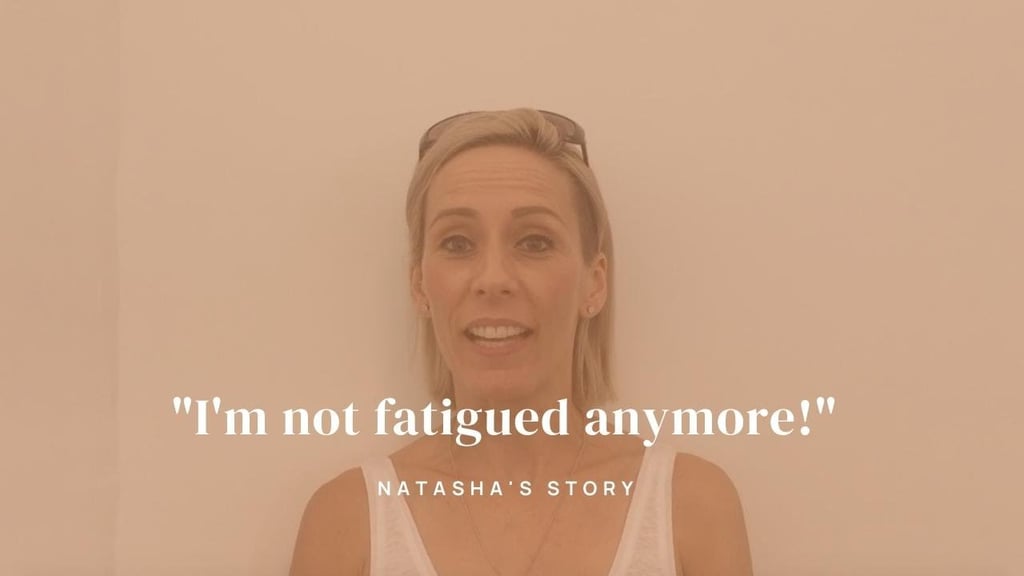
Patient experiences
Our award winning approach is personalised, collaborative and focused on your health.
See what past patients say about their experience below.












Frequently
Asked
Questions
Do I need a confirmed diagnosis of Hashimoto’s before starting care?
Not necessarily. Some people come in with elevated antibodies but haven’t been given clear direction, while others have been told they have hypothyroidism without much discussion of autoimmunity. If your thyroid levels have been changing or antibodies have been noted, that’s usually enough to begin.
Why do I still feel flat or foggy even though my thyroid levels are in range?
This is one of the most common experiences with Hashimoto’s. Thyroid levels can sit within range, but energy, mental clarity, or weight may not follow in the way you expect. In some cases, this reflects ongoing immune activity or other contributing factors that haven’t been addressed yet. It can also relate to how well thyroid hormone is being utilised at a tissue level. Looking at the broader pattern often helps explain why results and symptoms don’t always line up.
Can I work with you if I’m already taking levothyroxine?
Yes. Many people are already on levothyroxine when they seek additional support. Medication can be an important part of managing thyroid hormone levels, and this approach works alongside that rather than replacing it. The focus moves toward understanding why the thyroid function changed in the first place and what may still be influencing how you feel. This can be particularly relevant when symptoms haven’t improved as expected.
Why do my thyroid results and symptoms seem to change?
Thyroid function can fluctuate, and as antibody levels rise or fall, symptoms tend to follow. People often notice periods where things feel more stable, followed by times where energy drops or brain fog returns. These changes can be difficult to interpret without looking at the broader pattern. Understanding this pattern is often key to making sense of what’s happening.
Where can I learn more about Hashimoto’s thyroiditis?
For a deeper look at how Hashimoto’s affects the body and why symptoms can persist, read our detailed guide to Hashimoto’s disease.
Ready for a more personalised way forward?
We take the time to look more deeply at what’s driving your Hashimoto’s and work with you toward feeling genuinely well, not just medicated.
