
I’m finding myself sitting both in the seat of a practitioner and as a woman with an ever-increasing focus on my bone health, including the strength and integrity of my bones, the types of movement that make the biggest impact, the methods and tools to slow down or help rebuild bone density, and everything else that can support stronger bones.
Before we dive in, I will briefly clarify that osteoporosis is a condition in which bones lose mineral and structural density, making them weaker and much more susceptible to breaking. Osteopenia is the phase just before that, where your bone density scores are lower than the healthy range but not yet at osteoporosis (like pre-diabetes is to diabetes).
How bone density is measured and scored
In Australia, bone density is usually measured with a DEXA scan, which remains the gold standard for diagnosis and monitoring. CT-based approaches are also used and are becoming more common. These estimate bone density from Hounsfield units on CT scans taken for other reasons, and can help flag low bone mass when a DEXA scan isn’t available or when spinal degeneration makes DEXA harder to interpret. The scoring system for bone density is referred to as a T-score or a Z-score. For women under 50, Z-scores are usually more relevant than T-scores.
T-score or Z-score: what’s the difference
A T-score compares your bone mineral density to a healthy young adult of the same sex. It is mainly used to diagnose osteopenia and osteoporosis in postmenopausal women and men aged 50 or older. A typical interpretation is:
- -1.0 or higher: normal
- -1.0 to -2.5: low bone mass, or osteopenia
- -2.5 or lower: osteoporosis
A Z-score compares your bone density to that of people of the same age, sex, and often ethnicity or body size. It is more useful for premenopausal women, younger men, and children because it shows whether bone density is unusually low for that age group. A Z-score of -2.0 or lower is generally considered low and may prompt a search for other causes of bone loss.
Why bone loss looks different in women
Exercise scientist Stacy Sims coined the phrase “women are not small men,” and it’s a fitting way to frame bone health too. Women’s bone health differs from men’s in more than just size. On average, women have smaller, less dense bone structure than men. But the bigger difference is hormonal: the changes across a woman’s life, particularly the drop in oestrogen at menopause, create a distinct pattern of bone loss that needs its own approach as women age.
Women face a higher fracture risk than men in adulthood. Women face a higher fracture risk than men in adulthood. This comes down to both smaller skeletal size and strength on average, and the abrupt fall in oestrogen after menopause, compared to the more gradual decline in sex hormones seen in men. Oestrogen normally restrains the cells that break down bone, so when it falls, bone loss can speed up for several years. This makes bone health a key conversation for women from their 30s onwards, as they move through perimenopause and into menopause, sometimes earlier than expected.
Not many of my patients are thinking about perimenopause this early, but for some, symptoms can appear this soon on their hormone journey.
Throughout a woman’s lifecycle, other reproductive stages can also reduce bone density. This includes the calcium demands of pregnancy and breastfeeding, and treatments that suppress oestrogen, such as aromatase inhibitors used in some cancer treatments. Men can develop osteoporosis too, but the hormonal trajectory across a woman’s life makes women the higher-risk group overall.
Early signs of bone loss
Very early bone loss is often silent, and many women have no symptoms until a fragility fracture occurs. Practical early clues include:
- a low-trauma fracture
- loss of height
- new thoracic kyphosis (curvature of the upper spine)
- recurrent stress fractures
- a history suggesting poor bone remodelling, such as chronic under-eating, amenorrhea, or prolonged steroid use
Bone turnover markers can detect changes in bone metabolism before a decline in bone mineral density is visible on a DEXA scan. The two most commonly used markers are P1NP, which indicates bone formation, and CTX, which indicates bone resorption. While they are not used as standalone diagnostic tests for osteoporosis, they are valuable for assessing bone turnover and monitoring response to treatment.
Bone health across the decades
20s and 30s
In your 20s and 30s, the priority is building and preserving peak bone mass. This means adequate energy intake, protein, calcium, vitamin D, and resistance or impact exercise. This is your time to plant seeds for future bone health. Much of your adult skeletal reserve is established during this period, so restricted nutrition or amenorrhea at this stage can impair bone acquisition and affect outcomes later on. Bone health is rarely front of mind for young people, but if I could encourage any group to start nurturing great bone health, it’s this cohort.
40s
In your 40s, the focus turns to preventing the loss and erosion that come with perimenopause and the menopause transition. In the clinic, I’m looking to assess menstrual changes, perimenopausal symptoms, activity level, body weight, nutrient status, and medications that can negatively affect bone density. This is also a good time to risk-assess women with a family history of low bone density or prior fracture, and to encourage stopping smoking, reducing alcohol intake, or seeking management for autoimmune conditions such as Hashimoto’s or coeliac disease. It is never too late to start optimising your health, especially your bone health.
50s and 60s
In your 50s and 60s, the highest-yield issue is rapid postmenopausal bone loss, especially in the first few years after the final menstrual period. Screening and fracture-risk assessment matter much more here. Women with low-trauma fractures, low BMI, glucocorticoids and other medications like PPI’s, ongoing nutrient deficiencies, digestive issues and other chronic issues need earlier testing. This is not the time to drop the weights, it’s the ideal time to pick them up.
70s and beyond
In your 70s and beyond, the emphasis moves toward fracture prevention rather than density alone. We want to maintain strength, balance, nutrition, vitamin D status, and fall-risk reduction. Fracture risk can rise in older age even when bone mineral density is only modestly reduced because frailty and falls do most of the damage. If you haven’t already, this is when we can put a keen focus on balance exercises.
What is the risk of low bone density
Low bone density matters because it increases the risk of fragility fractures, and these fractures can lead to disability, pain, loss of independence, and poorer overall health. Osteoporosis is also linked to broader health burden, because fracture risk reflects not just bone density but muscle function, fall risk, medication exposure, and overall frailty.
For some women, the goal of strong bones is about staying independent, capable, and strong into later life. For others, the focus is more specifically on preventing falls and injury.
What else can cause bone loss
Several conditions and medications can cause secondary osteoporosis, where bone loss stems from an identifiable underlying cause rather than ageing alone. Common examples include:
- glucocorticoid use (steroid medications such as prednisone)
- premature menopause
- hyperthyroidism, hyperparathyroidism (an overactive thyroid or parathyroid gland)
- hyperprolactinaemia (too much of the hormone prolactin, often from a pituitary issue or certain medications)
- coeliac disease
- inflammatory bowel disease
- malabsorption (when the gut struggles to absorb nutrients properly)
- chronic kidney disease
- rheumatoid arthritis
- diabetes and insulin resistance
Certain medications also raise the risk, including:
- aromatase inhibitors
- anticonvulsants
- SSRIs
- PPIs
- thiazolidinediones
- antiretrovirals
If any of these apply to you, it’s a good reason to get your bone health checked.
10 ways to support stronger bones
Bone density responds well to a small number of consistently applied habits, alongside correcting any secondary causes where they exist. None of these require drastic change, just regular, ongoing attention.
The most evidence-based ways to improve or preserve bone health for women are:
- Resistance training. The strongest evidence-backed foundation for bone health is weight-bearing and resistance exercise, because mechanical loading stimulates bone formation and improves strength and balance. Bone responds to consistent loading, so the main goal is regular exposure rather than occasional intense sessions. Aim for at least twice weekly, ideally three times weekly for best results. If you can’t make it to the gym, bodyweight resistance training works just as well
- Impact or weight-bearing exercise. This includes jumping, brisk walking, stair climbing, cycling, hiking, jogging or running, dancing, tennis or other racket sports, aerobic dance or step classes, and bodyweight strength moves like squats, lunges, push-ups, and step-ups
- Balance and fall-prevention training. Think standing on one leg and tossing a tennis ball between your hands, step-ups, any variation of single-leg movements, or even walking in a straight line heel to toe
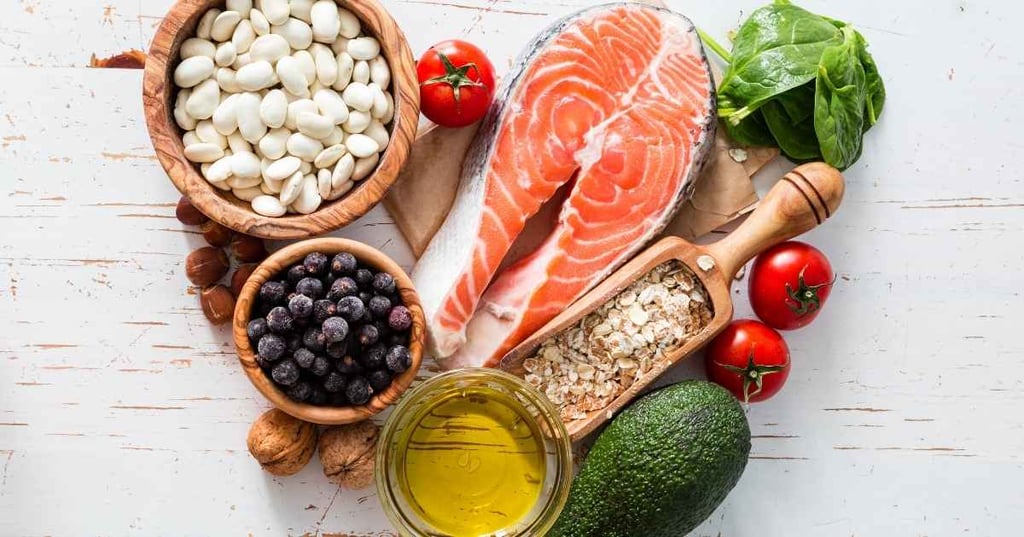
- Adequate calcium intake. Many guidelines recommend about 1000 to 1200 mg per day in postmenopausal women, depending on the source and context. Calcium doesn’t have to come from dairy, and sometimes dairy isn’t the ideal source. Sesame seeds, chia seeds, canned sardines with bones, canned salmon with bones, kale, and white beans are all excellent sources
- Vitamin D sufficiency. Common recommendations sit around 800 to 1000 IU per day in postmenopausal women when intake or status is inadequate. Testing helps ensure the guidance you’re given is right for you, and in clinic, I frequently see low vitamin D levels on patient pathology, so be sure to check yours
- Sufficient protein intake
- Smoking cessation
- Alcohol moderation or elimination
- Correcting secondary causes such as thyroid disease, coeliac disease, or glucocorticoid exposure
- Pharmacotherapy when fracture risk or osteoporosis is established
Functional medicine lens
A functional medicine approach to bone health starts from the basics: sufficient nutrient levels and absorption, and ruling out any of the conditions above that could be impairing bone development or density. From there, we look at protein and energy intake, healthy gonadal, thyroid, and cortisol function where relevant, reducing inflammation, improving sleep and exercise, and addressing digestive issues like malabsorption or dysbiosis, alongside reviewing any medications or supplements that affect bone health.
The strongest evidence for bone health consistently comes back to the basics: weight-bearing movement, nutrition, fall prevention and balance, and treating secondary causes and high fracture risk appropriately. It’s never too late to start protecting your bone health. Ideally, begin building strong bones while young, but if you’re moving through perimenopause into menopause, get more intentional today with your nutrition and movement.